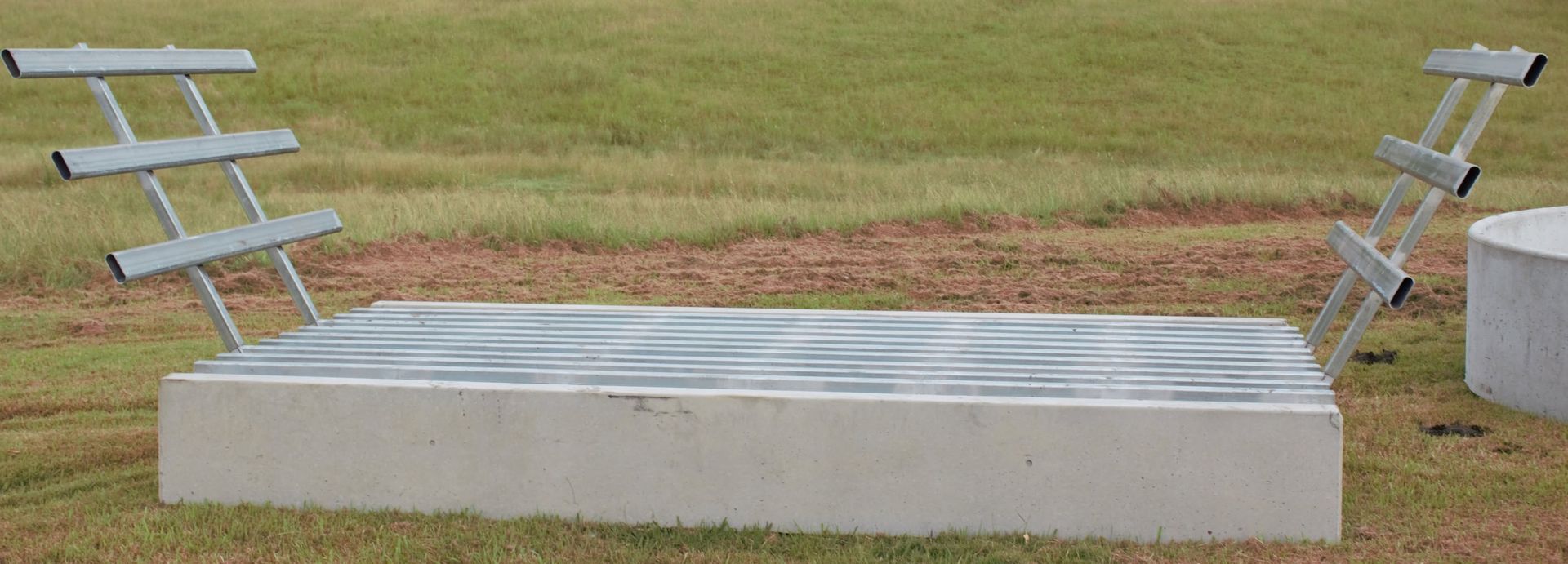
Essential Tips For Maintaining Your Cattle Grid
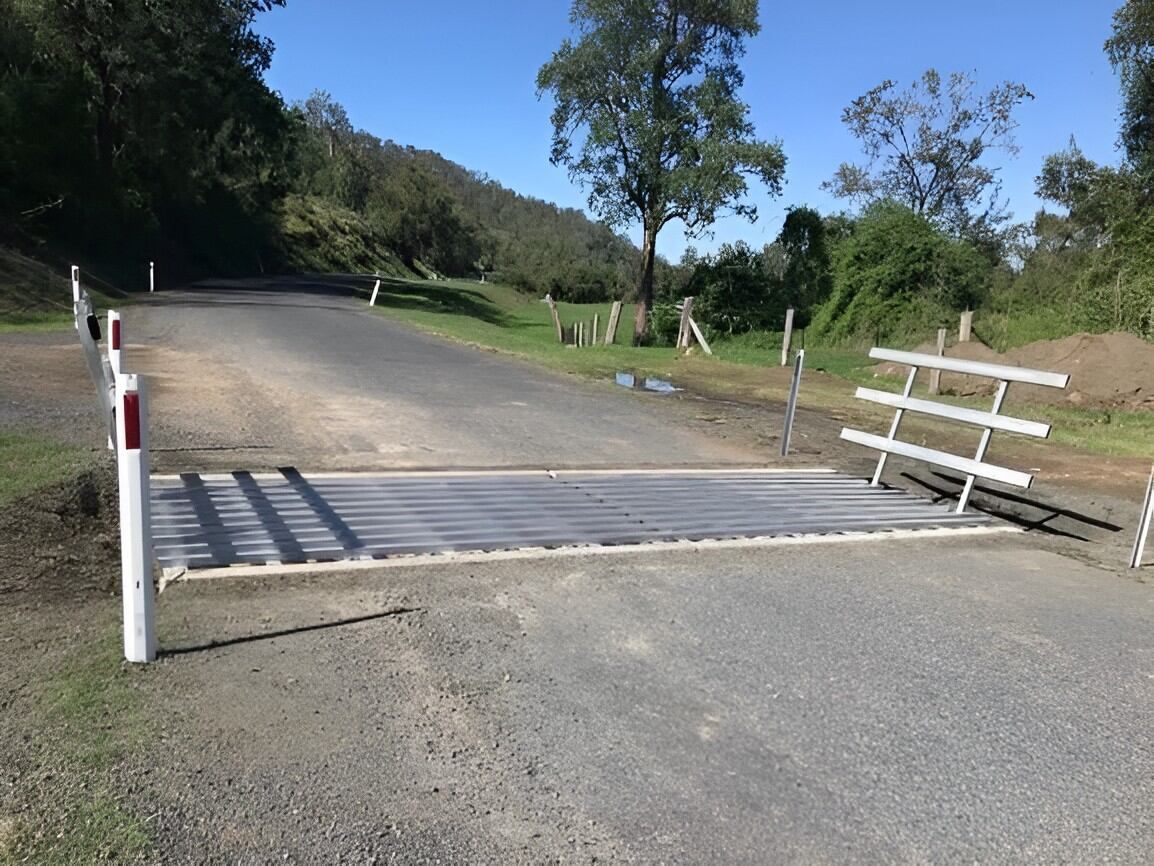
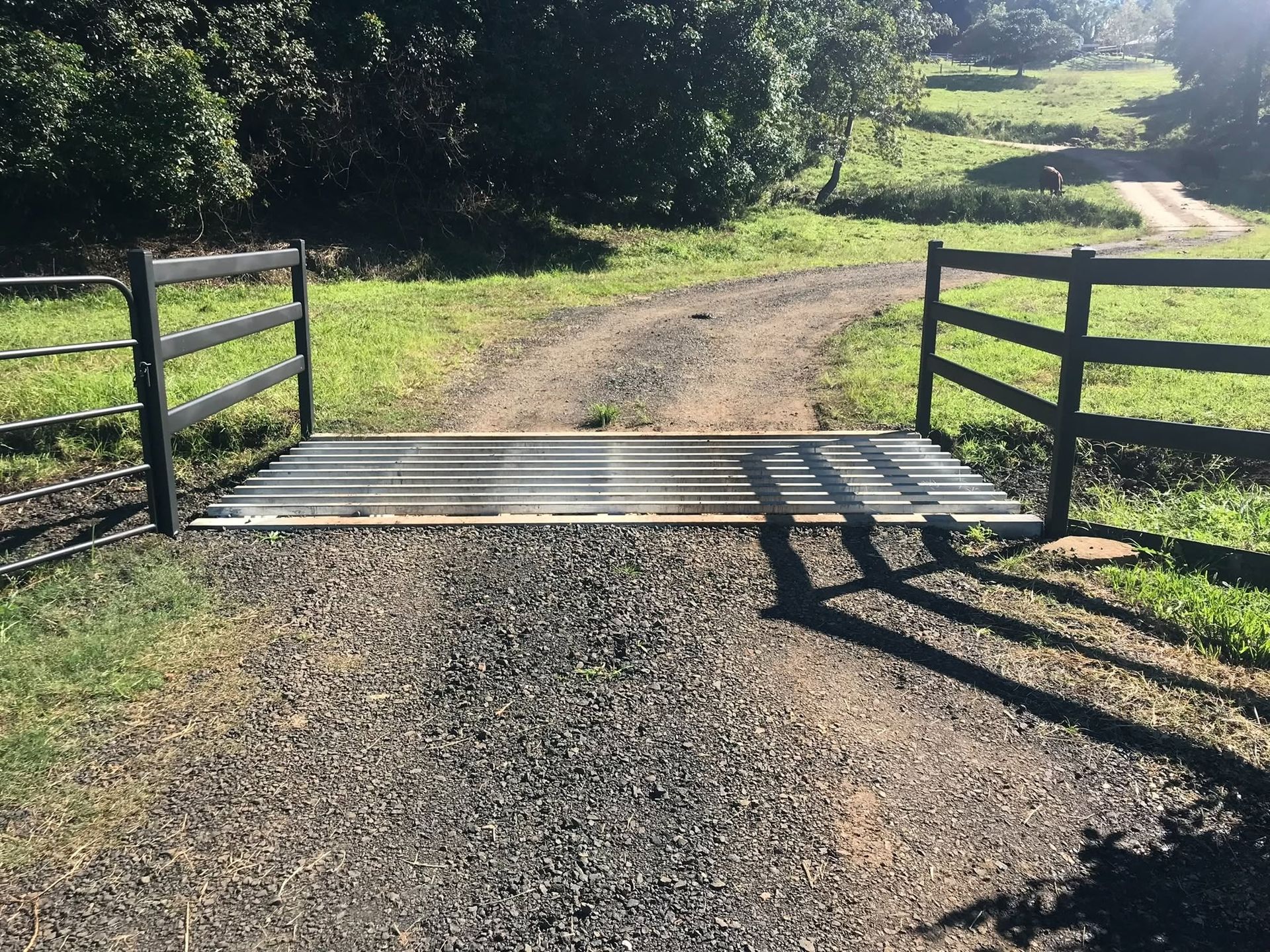
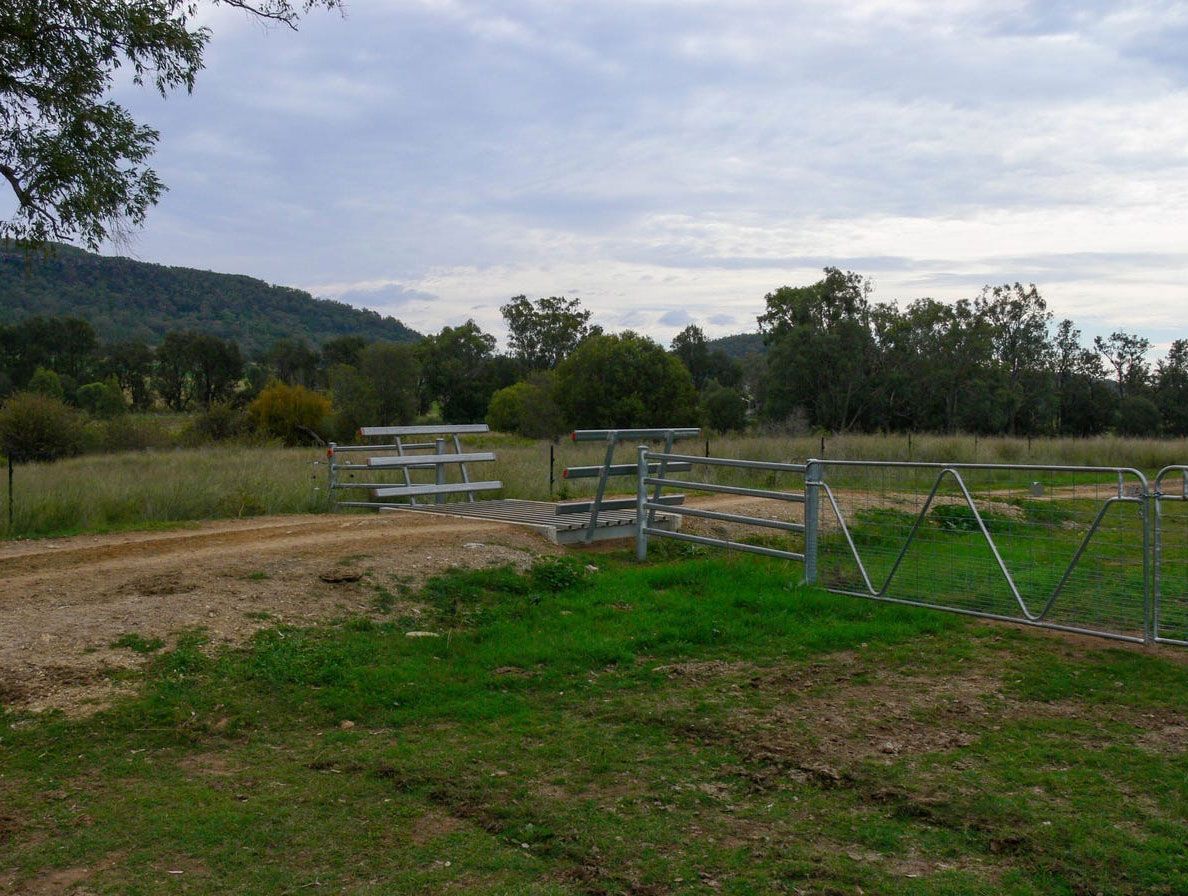
Concrete cattle grids are engineered to be tough and durable, capable of withstanding heavy loads, constant livestock crossings, and harsh environmental conditions. These structures are a staple on large rural properties, offering a practical and reliable way to control livestock movement while maintaining unrestricted vehicle access. Designed for strength, they form a critical part of rural infrastructure—but that doesn’t mean they’re maintenance-free. Over time, exposure to mud, debris, water, and ongoing pressure from machinery or animal traffic can take a toll on even the best-manufactured grid.
That’s why regular cattle grid maintenance isn’t just recommended—it’s necessary. Especially across rural properties in QLD and NSW, where usage can be high and conditions demanding, proper upkeep ensures your grid performs safely and efficiently. Maintenance preserves the structure’s integrity, prevents avoidable breakdowns, and helps protect your broader investment in rural infrastructure. For property owners, it’s a simple way to extend the life of a vital asset while maintaining safety and compliance across their land.
Why Cattle Grid Maintenance Matters
Neglecting regular upkeep can lead to accidents, costly repairs, and reduced functionality. Maintaining your grid ensures it continues to serve its purpose:
- Without maintenance, debris and soil can build up between the grid bars, allowing livestock to cross easily.
- Structural damage—including cracks or displacement—can develop unnoticed, compromising safety under heavy traffic.
- Erosion or channel blockages can destabilise the base and compromise overall integrity.
Conduct Regular Visual Inspections
Consistent visual checks are your first line of defence. During inspections, be sure to identify:
- Areas between bars where debris such as soil, leaves, or stones is collecting, as even modest accumulation can reduce the grid’s effectiveness.
- Early signs of wear, like small cracks, chips, or slight bar deformation that may worsen if untreated.
- Loose or corroded hardware—bolts or connectors subjected to vibration and livestock movement—that must be tightened or replaced.
Keep the Grid Clear of Debris
Over time, natural and farm-related debris can accumulate and reduce functionality. During routine cleaning:
- Look out for deposits of mud, manure, leaves, or gravel that collect in the grid, and clean them out to ensure proper spacing and functionality.
- Clear the ditch or pit beneath the grid, including rocks, woody debris, or sediment that might block drainage or allow livestock to bypass the barrier.
- Use tools like high-pressure water hoses, shovels, or brooms to remove build-up efficiently—ensuring the grid remains free-flowing and functioning.
Monitor Load Bearing & Vehicle Traffic
Heavy vehicle traffic can stress the grid over time, even when correctly installed. To maintain durability:
- Familiarise yourself with the load rating of your concrete grid and ensure that traffic—from agricultural machinery to trucks—does not exceed this limit.
- Observe if certain crossings cause jolting or movement that could indicate structural strain or loosening components.
- Track traffic frequency during maintenance inspections; heavier usage means more frequent checks for wear and stability.
Check the Wing & Fencing Connections
The effectiveness of your cattle grid also depends on its interface with the surrounding fencing and wings:
- Examine the transition areas where the grid meets fence lines, ensuring there are no gaps or loose connections that livestock could exploit.
- Ensure all attachments—like fencing posts—remain tight and rust-free, as any compromise undermines the grid’s ability to contain cattle.
- Maintain precise alignment with fencing so that animals cannot slip around the sides or underneath; proper integration is key for livestock control.
Ensure Proper Drainage Around the Grid
Water accumulation is one of the biggest risks to grid performance and foundation stability. To prevent water-related damage:
- Watch for signs of pooling water or soil saturation around the grid's edges, which may reveal drainage failures or erosion.
- If drainage appears compromised, consider installing gravel channels or improving surrounding grading to guide water away from the structure.
- Inspect the grid promptly after heavy rains or storms to confirm that water clearance systems are still working as intended.
Repair Damage Promptly to Prevent Further Deterioration
Prompt attention to minor issues can prevent extensive repairs later on. During damage checks:
- Look for chips, minor cracks, or spalling around the edges or surface of the concrete grid—spots that need early attention.
- Address any detected issues with patching agents or sealants suited to concrete surfaces; this prevents spread and protects structural integrity.
- Should major repairs be needed, consult your concrete supplier early—catching problems early avoids more costly replacements.
Work with a Trusted Concrete Grid Supplier
While maintenance is crucial, starting with high-quality components reduces long-term stress. Choosing reliable cattle grids for sale in QLD and NSW sets you up for easier upkeep:
- Suppliers specialising in concrete cattle grids typically design elements to endure heavy traffic, livestock activity, and local environmental factors.
- Precast products often include load ratings and material specifications to help landowners select the right model.
- Partnering with a trusted supplier ensures that replacement parts or advice are readily available when maintenance is needed.
Keeping Your Investment Strong & Functional
Maintaining your cattle grid is not simply a safety routine—it’s a vital part of preserving the long-term value and effectiveness of a key livestock management tool. A well-maintained grid does more than stay functional; it withstands constant pressure from vehicles, prevents livestock from straying, and supports safe, hassle-free access across property boundaries.
Investing in regular cattle grid maintenance is essential if you manage a large rural property and want to ensure your infrastructure remains strong, compliant, and reliable for years to come. For durability, performance, and long-term peace of mind, contact us to learn how quality grids and smart upkeep can work together to protect your land and operations.
Partner with Quality Concrete Grid Experts
At Graham’s Precast Concrete Products Pty Ltd, we specialise in providing robust cattle grids made from high-quality precast concrete and steel. We don’t install—it’s where maintenance begins—but we ensure the components you rely on are built for longevity and performance under real rural conditions.
For dependable, durable cattle grid products and advice tailored to your rural needs,
contact us to learn how we can help keep your livestock-contained infrastructure safe and long-lasting.