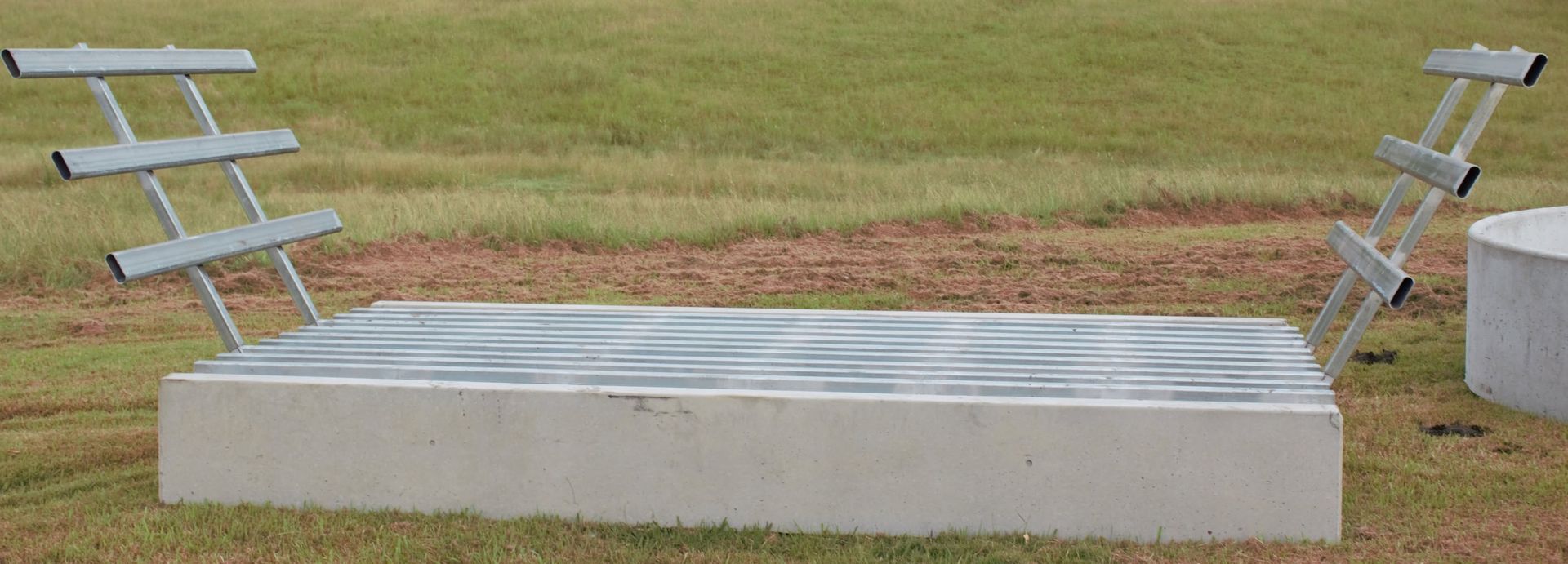
Average Costs Of Cattle Grids For Sale In QLD (2026 Pricing Guide)
Investing in a cattle grid is a practical decision for rural property owners managing livestock across large acreages. Whether you are upgrading an existing access point or installing a new entry to improve efficiency, understanding current pricing is essential before committing to a purchase.
In this 2026 pricing guide, we break down the average costs of cattle grids for sale QLD producers typically encounter, along with the key factors that influence overall investment. For rural properties across QLD and NSW, making the right choice is not just about upfront price. It is about durability, load performance and long-term reliability.
What Is the Average Cost of Cattle Grids in QLD in 2026?
Pricing for cattle grids varies depending on size, load rating and manufacturing standards. As a general guide in 2026:
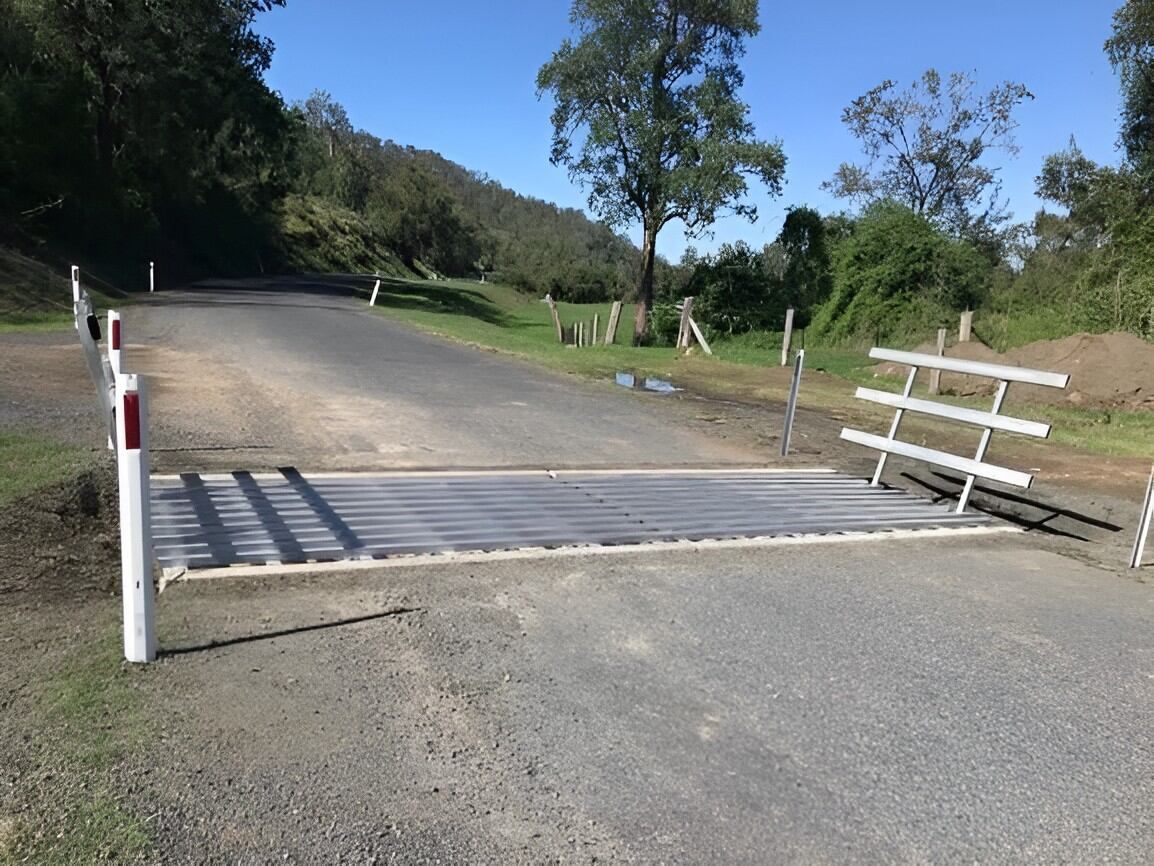
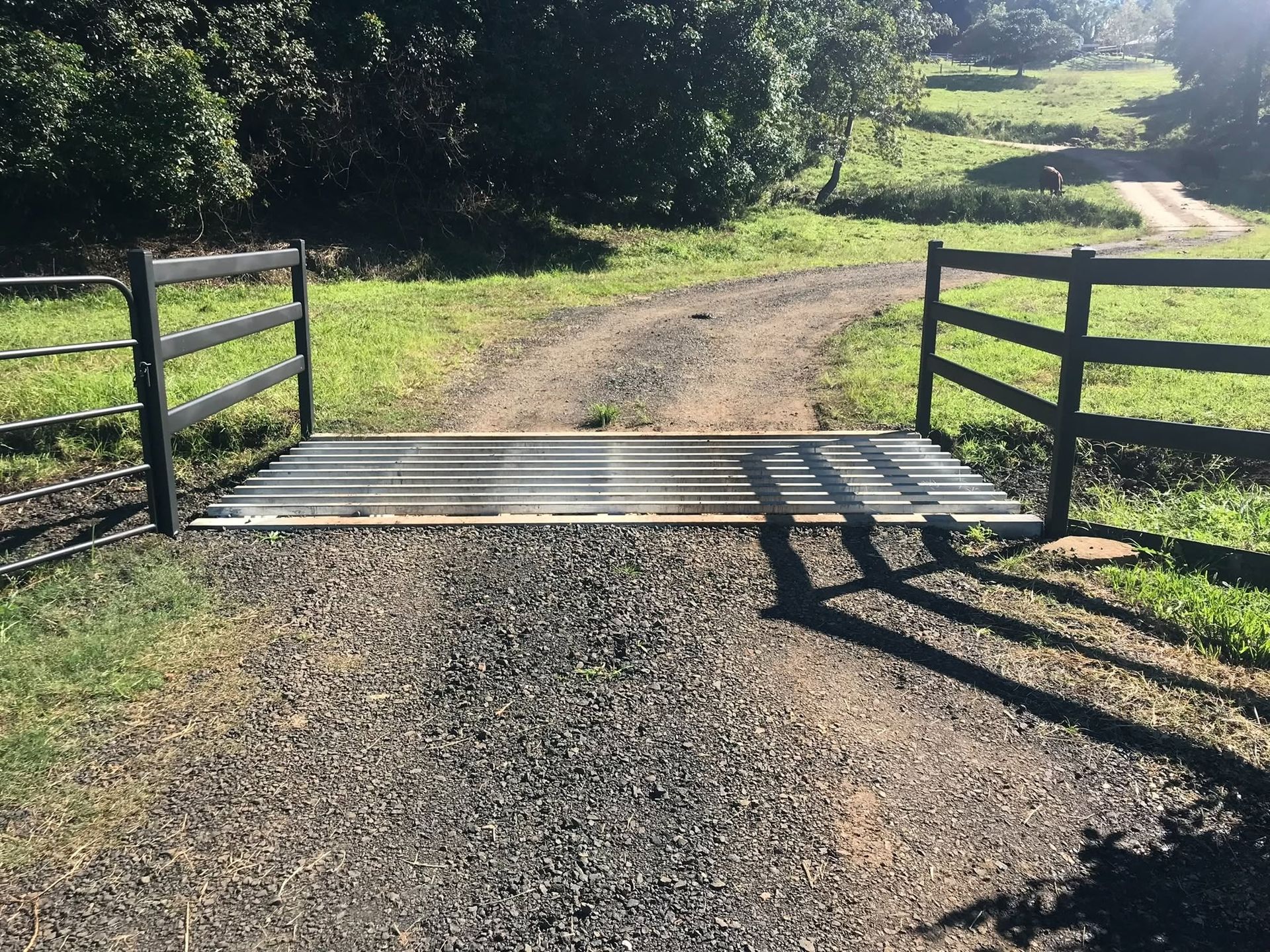
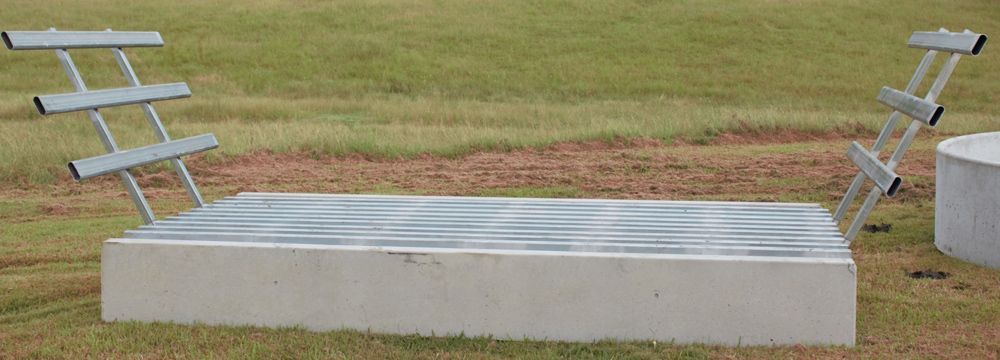
- Standard 3 metre precast concrete cattle grids typically start from the mid to upper five-figure range depending on specifications
- Larger 4 metre grids generally attract a higher price due to increased material volume and weight
- Custom-engineered grids or heavy-duty configurations can increase total investment
While exact pricing depends on specifications, most rural property owners should expect cattle grids for sale QLD wide to reflect engineering quality, material strength and freight considerations.
It is important to note that cheaper alternatives may initially appear attractive but can lead to higher long-term maintenance costs.
Key Factors That Influence Cattle Grid Pricing
Several variables affect the final cost of a cattle grid. Understanding these factors allows property owners to make informed comparisons.
1. Size and Dimensions
The length and width of a grid directly influence material usage and weight.
Common configurations include:
- 3 metre grids designed for standard property access
- 4 metre grids for wider entries or increased vehicle clearance
Larger grids require more concrete, reinforcing steel and engineering certification, which naturally increases cost.
2. Load Rating and Structural Design
Load capacity is a critical pricing factor. Rural properties often require grids capable of handling:
- Heavy machinery
- Livestock transport vehicles
- Agricultural equipment
- High traffic farm access
Precast grids rated to 50 tonne capacity are engineered to withstand consistent heavy loads. Higher load ratings require additional reinforcement and structural design certification, which contributes to cost but significantly increases longevity.
When evaluating cattle grids for sale, QLD property owners should prioritise structural certification over lower-priced alternatives without engineering validation.
3. Material Type
While steel grids are available on the market, precast concrete grids offer significant advantages in durability and corrosion resistance.
Concrete grids:
- Do not rust in wet conditions
- Withstand heavy livestock impact
- Resist cracking when manufactured to industry standards
- Deliver long service life across harsh Australian seasons
Factory-manufactured precast concrete ensures consistent quality control, precise dimensions and controlled curing conditions. This manufacturing process influences cost but also ensures superior performance.
Freight and Delivery Considerations
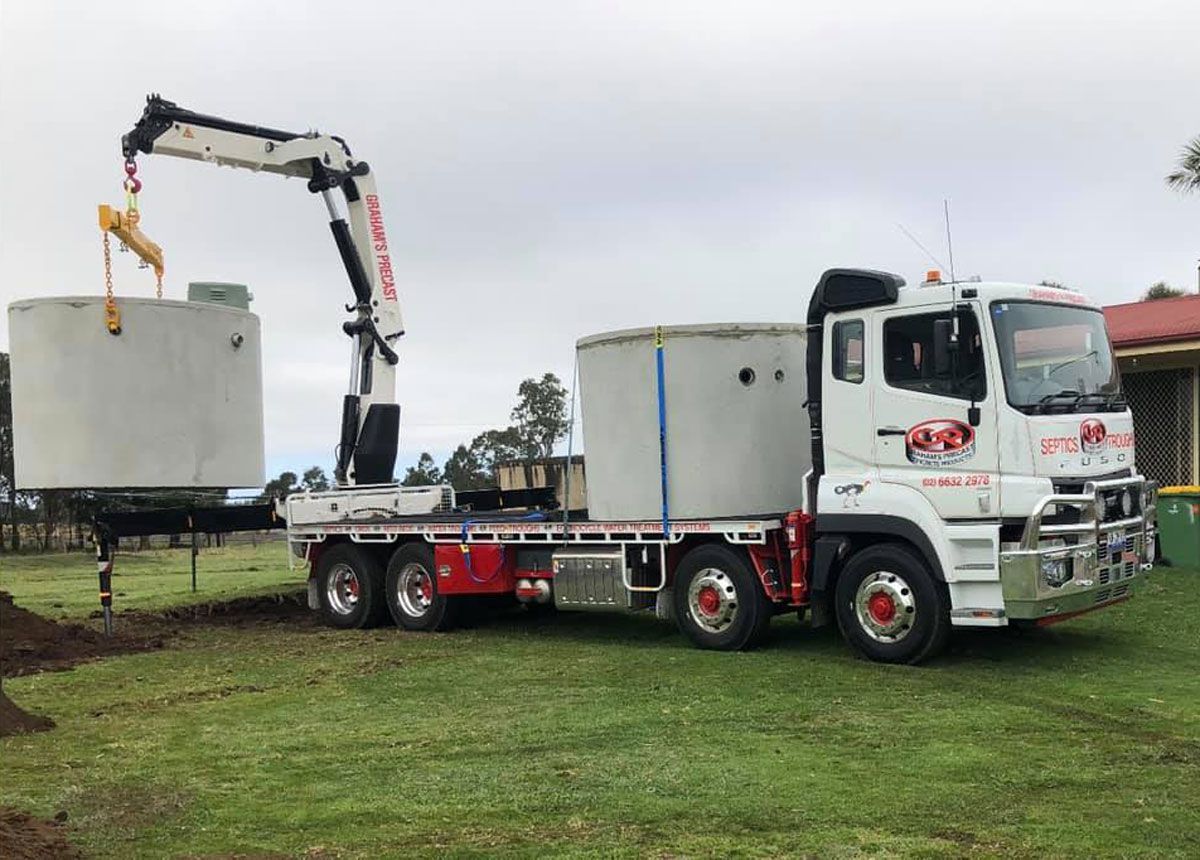
Cattle grids are heavy products. A 3 metre grid can weigh approximately 3 tonnes, while a 4 metre grid may weigh around 4 tonnes.
Freight costs are influenced by:
- Distance from manufacturing facility
- Site accessibility
- Transport vehicle requirements
- Delivery method
For large rural properties in QLD and NSW, planning freight logistics is an important part of the overall budget.
Because precast grids are manufactured off site under controlled conditions, they are delivered ready for placement, which reduces on site labour variables and material waste.
Custom Specifications and Add Ons
Some properties require customised configurations. Pricing may increase if additional features are specified, such as:
- Grid abutments
- Concrete bases
- Wing sections
- Modified dimensions
- Specialised reinforcement
Custom engineering ensures the grid suits site conditions, traffic type and property layout. While this increases initial investment, it enhances safety and longevity.
Why Cheaper Options Can Cost More Over Time
It can be tempting to select the lowest upfront price. However, rural infrastructure is built for long-term use.
Inferior grids may result in:
- Cracking under load
- Rusting components
- Premature structural failure
- Ongoing repair and replacement costs
Precast concrete manufactured to industry standards and backed by structural certification provides consistent quality and long-term value.
When reviewing cattle grids for sale, QLD producers should consider total lifecycle cost rather than just purchase price.
The Value of Structural Certification
A Structural Design Certificate confirms that a grid meets recognised engineering standards. This is particularly important for:
- Heavy transport routes
- High traffic farm access
- Compliance requirements
- Insurance purposes

Certified grids provide peace of mind that the product has been professionally designed to withstand intended loads.
For rural and country properties across QLD and NSW, structural integrity is not optional. It is essential.
Precast Manufacturing Advantages
Precast concrete grids are manufactured in a factory under controlled conditions. This process delivers several pricing and performance benefits:
- Accurate concrete mixing ratios
- Consistent reinforcement placement
- Controlled curing environment
- Reduced material waste
- Reliable quality assurance
Unlike on-site pours, precast manufacturing is not affected by weather changes or site conditions during production. This ensures every grid meets uniform standards.
Although high-quality manufacturing contributes to cost, it significantly reduces the risk of defects.
Long-Term Investment for Rural Properties
For large rural properties, cattle grids are critical access infrastructure. They must perform reliably through:
- Seasonal rainfall
- Drought conditions
- Heavy livestock movement
- Agricultural vehicle traffic

Choosing a well-engineered precast solution ensures decades of dependable service.
When comparing cattle grids for sale QLD wide, property owners should assess:
- Load capacity
- Structural certification
- Manufacturing quality
- Long-term durability
- Freight planning
A properly manufactured concrete cattle grid is not just a purchase. It is a long-term infrastructure investment.
2026 Outlook for Cattle Grid Pricing
Material costs, transport logistics and fuel pricing continue to influence rural infrastructure expenses. In 2026, pricing reflects:
- High-grade reinforcing steel
- Certified structural design
- Quality-controlled manufacturing
- Rising freight considerations
While market conditions may fluctuate, durability and engineering quality remain constant priorities for rural operations.
Choosing a Trusted Manufacturer
Selecting a reputable manufacturer ensures:
- Compliance with industry standards
- Transparent specifications
- Reliable product consistency
- Support for rural and country properties across QLD and NSW
Graham’s Precast Concrete Products Pty Ltd brings decades of experience manufacturing precast concrete cattle grids designed for longevity and heavy-duty performance.
For more information about cattle grids for sale QLD and NSW-wide, visit our website.
Investing in a certified, precast concrete grid ensures your rural property benefits from structural strength, durability and dependable long-term performance across Australia’s demanding agricultural conditions.