
How Water Trough Design Impacts Livestock Health And Hydration
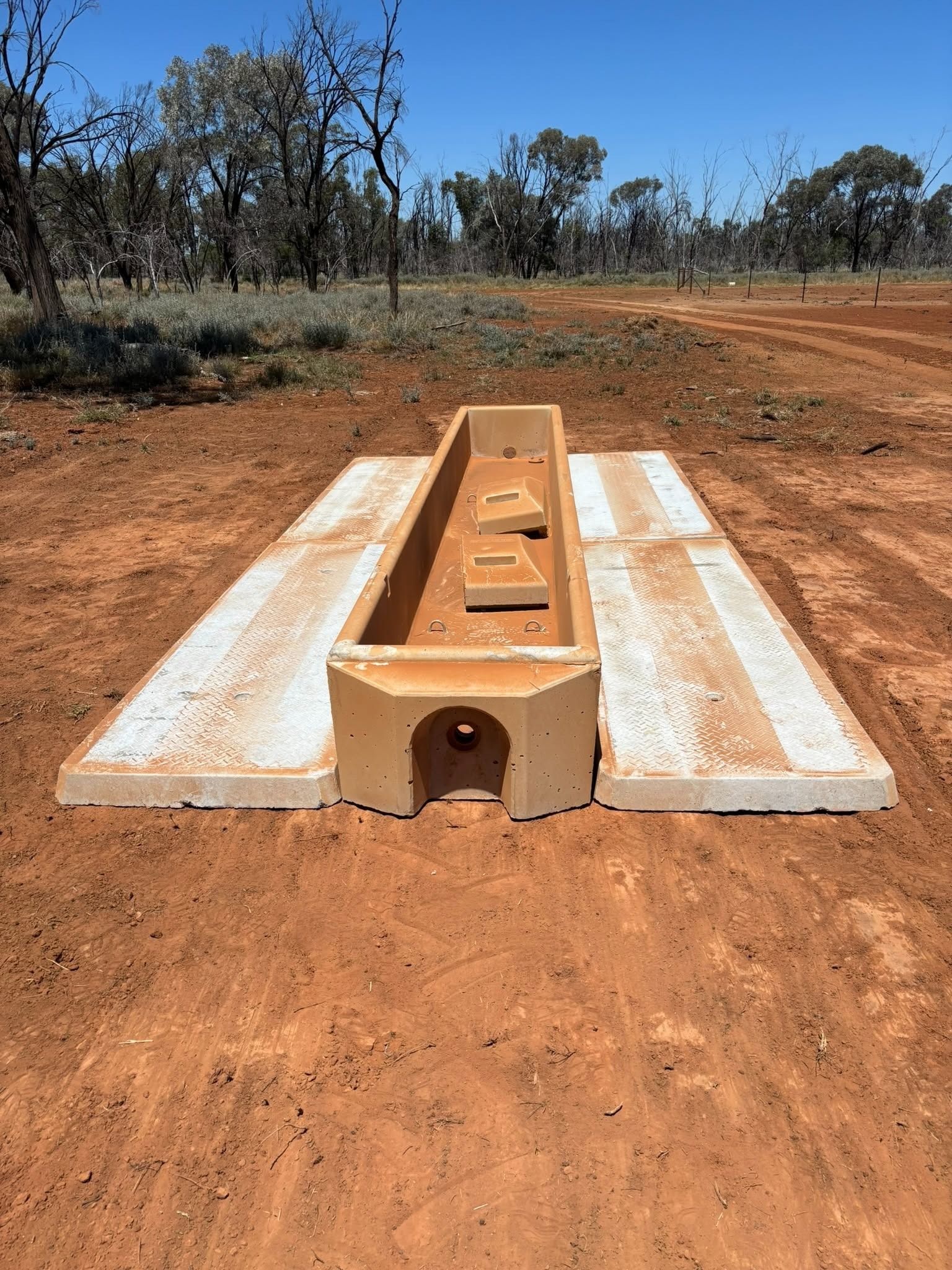
Reliable water access is one of the most important parts of maintaining healthy livestock on large rural properties. While feed quality and pasture management often receive significant attention, the design of a water trough can have just as much influence on animal wellbeing and productivity. For producers managing livestock across QLD and NSW, choosing the right watering setup helps ensure animals can access clean water consistently throughout the day. Well-designed systems support hydration, reduce stress and contribute to healthier livestock outcomes, which is why many properties continue investing in durable solutions such as concrete water troughs in NSW.
Trough Size Plays a Major Role in Water Access
The size of a trough directly affects how easily livestock can drink, particularly during periods of high demand when multiple animals gather at once. If troughs are too small, overcrowding can occur quickly, creating unnecessary stress and reducing access for weaker stock.
A properly sized trough system helps livestock:
- Access water comfortably during busy feeding periods.
- Avoid unnecessary competition between larger and smaller animals.
- Maintain hydration during hotter parts of the day.
Larger troughs are especially important on expansive rural properties where animals may travel long distances between grazing areas and water sources. Once livestock arrive at the trough, they need reliable access without delays or overcrowding. Small troughs may empty too quickly during summer or periods of heavy use, which can disrupt drinking patterns and place additional pressure on refill systems.
Depth & Shape Influence Drinking Behaviour
The shape and depth of a trough can affect how comfortably livestock drink throughout the day. Different animals have different drinking habits and awkward designs may discourage regular water intake.
Good trough design makes daily access easier because livestock can:
- Reach water comfortably without awkward positioning.
- Drink calmly without excessive crowding.
- Access water consistently across varying herd sizes.
Troughs that are too narrow or deep may create difficulties for smaller or younger animals, while poorly shaped designs can contribute to pushing and aggressive behaviour around watering points. Wider access areas generally encourage smoother drinking patterns and reduce stress within the herd. Shape also affects water movement and cleanliness, with better-designed troughs helping minimise stagnant corners where algae and sediment can build up.
Material Selection Impacts Water Quality
The material used in trough construction plays a major role in durability, maintenance and water temperature. Rural watering systems must withstand constant exposure to livestock, changing weather conditions and long-term daily use.
When selecting trough materials, producers often look for systems that can:
- Maintain more stable water temperatures.
- Handle demanding rural conditions over time.
- Reduce movement or damage caused by heavy livestock.
Water temperature can influence how willingly animals drink, particularly during warmer periods. Materials that retain excessive heat may discourage water intake during the hottest parts of the day. Concrete products are often preferred because they provide long-term durability while helping maintain cooler water compared to lighter materials exposed to direct sunlight. Strong construction also reduces the likelihood of cracks or damage that may affect water quality over time.
Water Flow Rates Need to Match Livestock Demand
Even a large trough becomes ineffective if refill systems cannot keep up with livestock consumption. Animals often drink heavily during concentrated periods, especially after grazing or throughout hotter weather.
Reliable refill capacity is important for properties that need to:
- Keep troughs filled during peak usage times.
- Reduce waiting and overcrowding around water points.
- Prevent water shortages during hotter conditions.
Slow refill rates can lead to frustration within herds, particularly when dominant animals control access to limited water supplies. Once trough levels drop too low, weaker stock may struggle to access enough water throughout the day. Reliable water flow supports better hydration consistency while also helping maintain fresher water through regular circulation and turnover.
Placement Across Paddocks Improves Hydration Consistency
Where troughs are positioned across a property can significantly affect how often livestock drink. Poor placement may discourage animals from accessing water regularly, particularly in large paddocks.
Thoughtful placement across paddocks allows producers to:
- Improve livestock access across grazing areas.
- Reduce long walking distances during hot weather.
- Spread grazing pressure more evenly throughout paddocks.
Animals that need to travel excessive distances for water may drink less frequently, increasing the risk of dehydration and heat stress. Multiple watering points can also help reduce overcrowding and prevent dominant livestock from restricting access for others. Well-positioned troughs encourage more even herd movement and support healthier drinking patterns throughout the day.
Poor Trough Design Can Encourage Algae Growth
Water quality is heavily influenced by trough design and maintenance. Stagnant water, poor circulation and excessive heat exposure can all contribute to algae growth and contamination issues.
Effective trough systems are designed with features that help:
- Support cleaner water circulation.
- Minimise stagnant areas where algae develops.
- Make cleaning and maintenance easier.
Algae growth can discourage livestock from drinking sufficient water and may contribute to broader animal health concerns if left unmanaged. Troughs that are difficult to clean often accumulate sediment and organic matter more quickly, especially during warmer weather conditions. Smooth internal surfaces and practical designs help producers maintain cleaner water with less ongoing effort.
Hydration Consistency Supports Productivity
Consistent hydration is closely linked to livestock performance and overall herd health. Animals that have reliable access to clean water are more likely to maintain steady feed intake and healthy condition.
Proper hydration management can help livestock:
- Maintain hydration throughout the day.
- Recover more effectively during hot weather.
- Support healthier growth and productivity.
Dehydration can quickly affect animal performance, particularly during warmer periods or times of increased physical demand. Reduced water intake often contributes to lower feed consumption, reduced weight gain and increased susceptibility to illness. This is one reason many producers continue investing in concrete water troughs in NSW.
Durable Troughs Support Long-Term Rural Operations
Water infrastructure needs to withstand years of exposure to livestock pressure and harsh environmental conditions. Durable trough construction helps reduce ongoing maintenance issues while supporting reliable water access.
Long-lasting trough systems provide benefits that can:
- Reduce repair and replacement requirements.
- Maintain dependable access to clean water.
- Support efficient long-term property management.
Reliable infrastructure becomes increasingly important on large rural properties where damaged watering systems can create significant operational disruptions. Durable concrete products provide stability and long-term performance in demanding agricultural environments, helping producers maintain effective livestock management with fewer interruptions over time
Supporting Better Livestock Hydration Across Rural Properties
Graham’s Precast Concrete Products understands how important dependable water infrastructure is for rural properties across QLD and NSW. Proper trough design plays a major role in livestock hydration, water quality and overall herd wellbeing, particularly during demanding seasonal conditions. Our concrete products are built to support long-term durability and reliable performance for large-scale agricultural operations. If you are looking for practical solutions, including concrete water troughs in NSW, get in touch with our team today.