
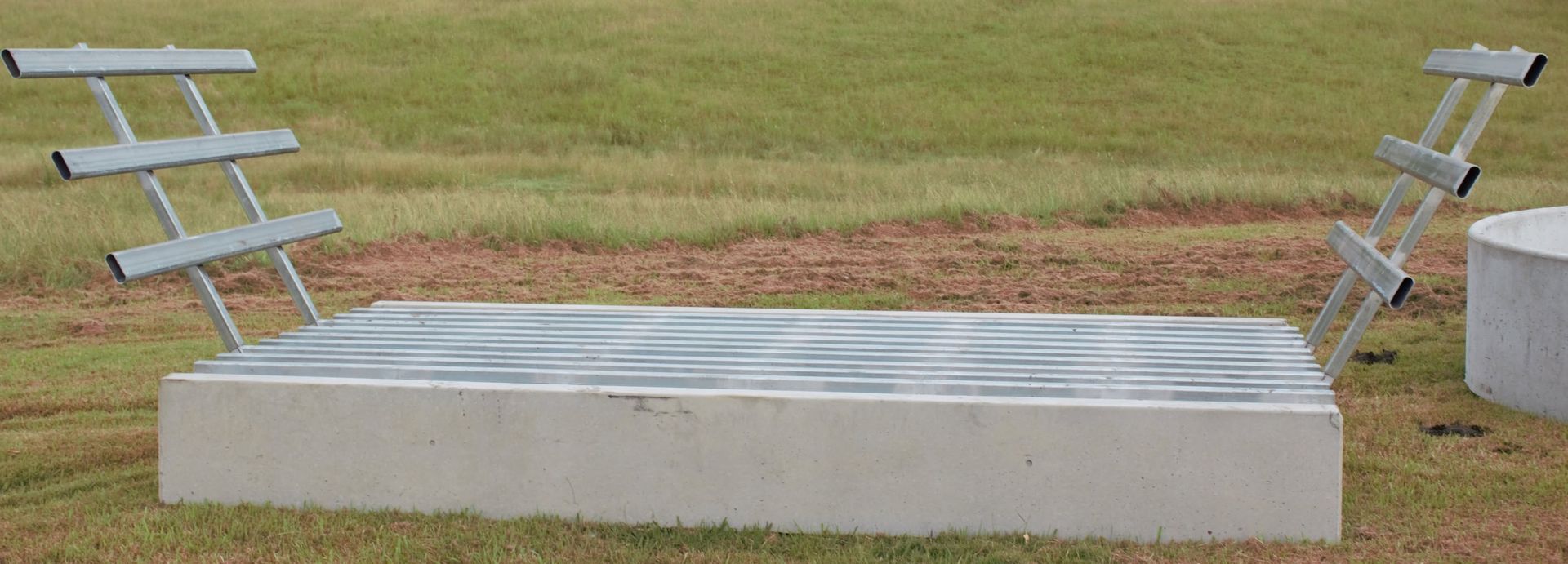
How To Protect Your Concrete Septic Tank From Tree Roots

Graham’s Precast Concrete Products Pty Ltd • July 9, 2026

Have you ever wondered why your concrete septic tank seems to be having issues despite your best efforts to maintain it? The culprit could be something as seemingly innocent as tree roots in your septic tank. This blog will explore practical tips and preventive measures to protect your concrete septic tank from invasive tree roots, ensuring its integrity and longevity.

Why Are Tree Roots A Problem For Concrete Septic Tanks?

Tree roots are naturally drawn to sources of water and nutrients, making your septic tank an attractive target. In their search for moisture and sustenance, the roots can find tiny cracks or seams in your septic system and begin to infiltrate. As they grow, they exploit these weaknesses, causing significant damage in several ways.


Roots can penetrate and crack the tank, compromising its structural integrity. This can lead to leaks and a reduction in the tank's ability to contain waste effectively. Additionally, roots can obstruct pipes, causing blockages that disrupt the flow of waste and wastewater. In more severe cases, roots can invade and block the drain field, the area where effluent is dispersed into the soil for natural filtration.


The consequences of root infiltration extend beyond just the physical damage to your septic tank. Blocked pipes and cracked tanks can lead to sewage backups in your home, creating unpleasant and unsanitary conditions. Moreover, this leads to costly repairs and can result in serious environmental hazards.

Signs That Tree Roots Might Be Infiltrating Your Septic Tank

Recognising the early signs of tree root infiltration can save you a lot of hassle and expense. Here are some key indicators to watch for:


  • Slow Drains: If your sinks, tubs or toilets are draining slowly, this could be a sign that roots are obstructing the pipes.
  • Unpleasant Odours: A noticeable sewage smell around your home or yard often indicates a problem with your septic system.
  • Lush Patches of Grass: If certain areas of your lawn are unusually green and lush, it may signal that roots have found a water source from a leaking tank.
  • Soggy Spots in the Yard: Unexplained wet patches or areas of standing water can indicate that roots have damaged the septic tank or pipes, causing leaks.

How To Prevent Tree Roots From Damaging Your Septic Tank

Prevention is key to protecting your septic tank from tree roots. Here are some practical steps you can take to prevent tree roots in septic tanks and protect your concrete septic system.

Choose The Right Location

When installing a new septic tank, location is crucial. Ensure that the tank is placed far from trees and large shrubs. Consult with professionals to determine the safest and most effective placement.

Create A Root Barrier

Installing a physical barrier between your septic tank and nearby trees can prevent roots from reaching the tank. Materials like metal or plastic can be buried vertically along the sides of the tank to block root growth.

Regular Maintenance And Inspection

Routine inspections by a professional can help catch any early signs of root intrusion. Regular pumping and maintenance of your septic tank are essential to ensure it functions properly and to remove any blockages.

Use Root Killers

Chemical root killers can discourage root growth around your septic tank. These substances can be applied directly to the septic system, but it's important to use them sparingly to avoid harming the beneficial bacteria in the tank.

Trees And Plants To Avoid Near Your Septic System

Be mindful of what you plant near your septic system. Some species send roots much further than their canopy suggests, and by the time damage shows up, the roots may already be well established. The worst offenders to keep well away from your tank and pipework include:


  • Willows and poplars are among the worst offenders, with root systems that can extend well beyond the tree itself – willow roots have been known to travel 30 metres or more in search of moisture
  • Camphor laurel, jacaranda and fig species such as the Moreton Bay fig are also aggressive, invasive rooters best kept well clear of tanks and pipework
  • Shallow-rooted natives such as lomandra, dianella or low native grasses are a safer choice for landscaping close to a septic system


As a general guide, here are safe planting distances from the tank or pipework:


  • Large trees: 6–10 metres
  • Medium trees: 3–6 metres
  • Shrubs: 1–2 metres


Consult a landscaper for advice on suitable plants for areas near septic systems.

How To Remove Tree Roots Already In Your Septic Tank Or Pipes

If roots have already made their way into the tank or pipes, a few methods are commonly used to clear them, depending on how severe the intrusion is. Here are the most common approaches:


  • Mechanical cutting – a plumbing professional can use rotating blades on a cable to physically cut roots out of pipes
  • Hydro jetting – high-pressure water is used to clear roots and debris from pipes without the need for excavation in many cases
  • Chemical root treatments – foaming or liquid root killers can be applied to slow regrowth after mechanical clearing, though they don't repair any existing cracks
  • Pipe relining – in cases where pipes are cracked as well as blocked, relining can seal the pipe from the inside without full replacement


Clearing roots addresses the immediate blockage, but if the tank or pipes were cracked to begin with, the underlying damage still needs to be assessed separately.

Maintenance Steps To Protect Your Septic Tank From Tree Roots

Proper maintenance is important for preventing root damage and ensuring your septic system's longevity. Here are some steps to include in your maintenance routine:


  • Scheduled Pumping: Pump your septic tank regularly every 3-5 years to remove sludge and prevent overflow, which can attract roots.
  • Inspect the System Annually: Annual inspections by a professional can identify and address potential problems before they become severe.
  • Monitor Water Usage: Excessive water can overload your septic system, causing it to fail and potentially attract roots. Be mindful of water usage and fix any leaks promptly.
  • Avoid Flushing Non-Biodegradable Items: Items like wipes, sanitary products and chemicals can clog the system, making it more susceptible to root damage.

When Root Damage Means It's Time To Replace, Not Repair

Not all root damage can be fixed with clearing and patching. There comes a point where repair is only a temporary fix, and replacing the tank becomes the more practical option. Here are the warning signs to watch for:


  • Repeated root intrusion into the same cracks after clearing, rather than a one-off blockage
  • Structural cracking, rather than simple seam infiltration – cracks affect the tank's strength, not just its seal
  • Frequent pumping needs, such as needing the tank pumped or cleared more than once a year
  • Visible signs of failure, including consistent sewage odours, soggy ground or backups that keep recurring despite maintenance


When these signs appear, a structural assessment can help determine whether repair will genuinely resolve the issue or whether a replacement tank is the more reliable long-term solution.

Ensure Your Septic System's Longevity – Schedule A Consultation Now

At Graham's Precast, we manufacture high-quality concrete septic tanks designed and built to Australian standards, giving you a durable, reliable option for protecting your property from root damage. If tree roots have already caused damage to your existing tank, or you're planning ahead to avoid the problem altogether, get in touch with our team to discuss your options.

Cattle Grids For Sale In NSW
By Graham's Precast Concrete Products PTY LTD August 4, 2026
Discover why cattle grids for sale in NSW offer durability, safety and low maintenance for farms. Explore your options and enquire today.
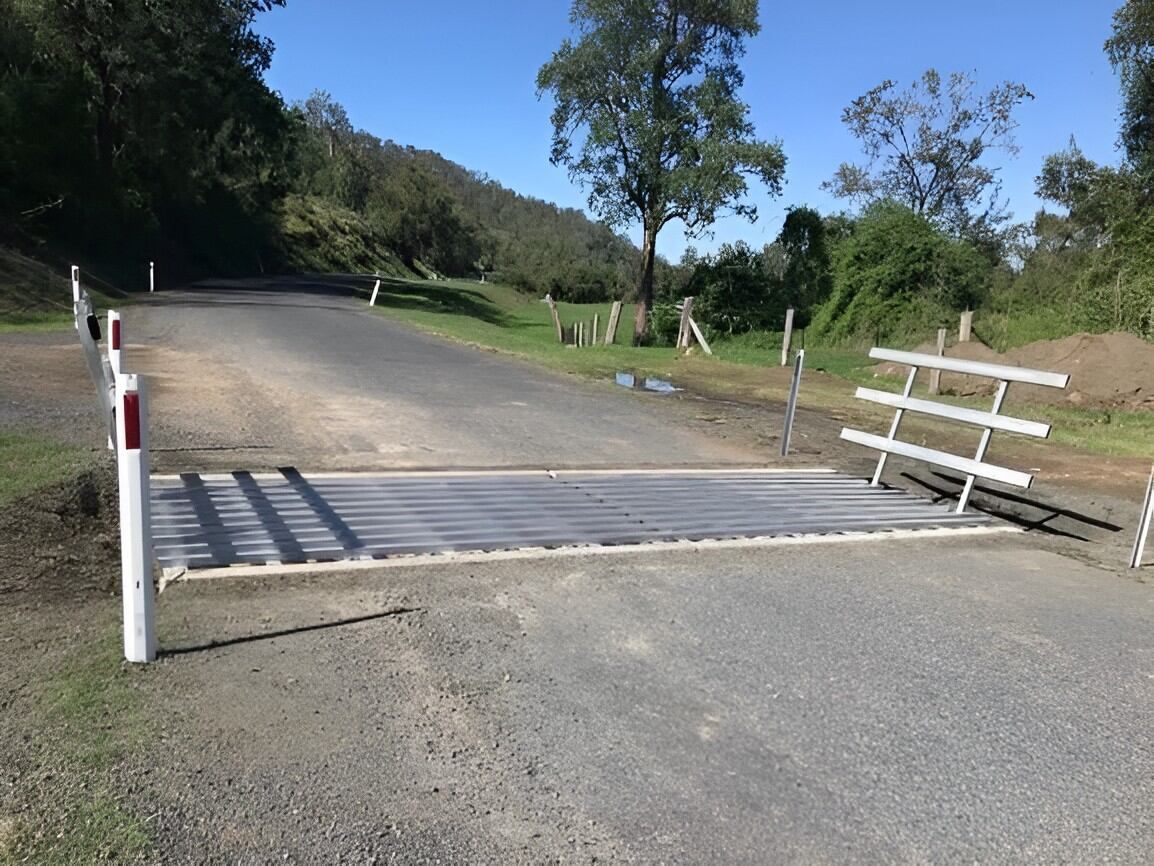
Cattle Grids NSW Rural Road Crossing With Timber Fencing
By Graham's Precast Concrete Products PTY LTD July 9, 2026
Wondering how long a concrete cattle grid lasts? Learn what affects lifespan, how it compares to steel and what to consider when buying in NSW or QLD.
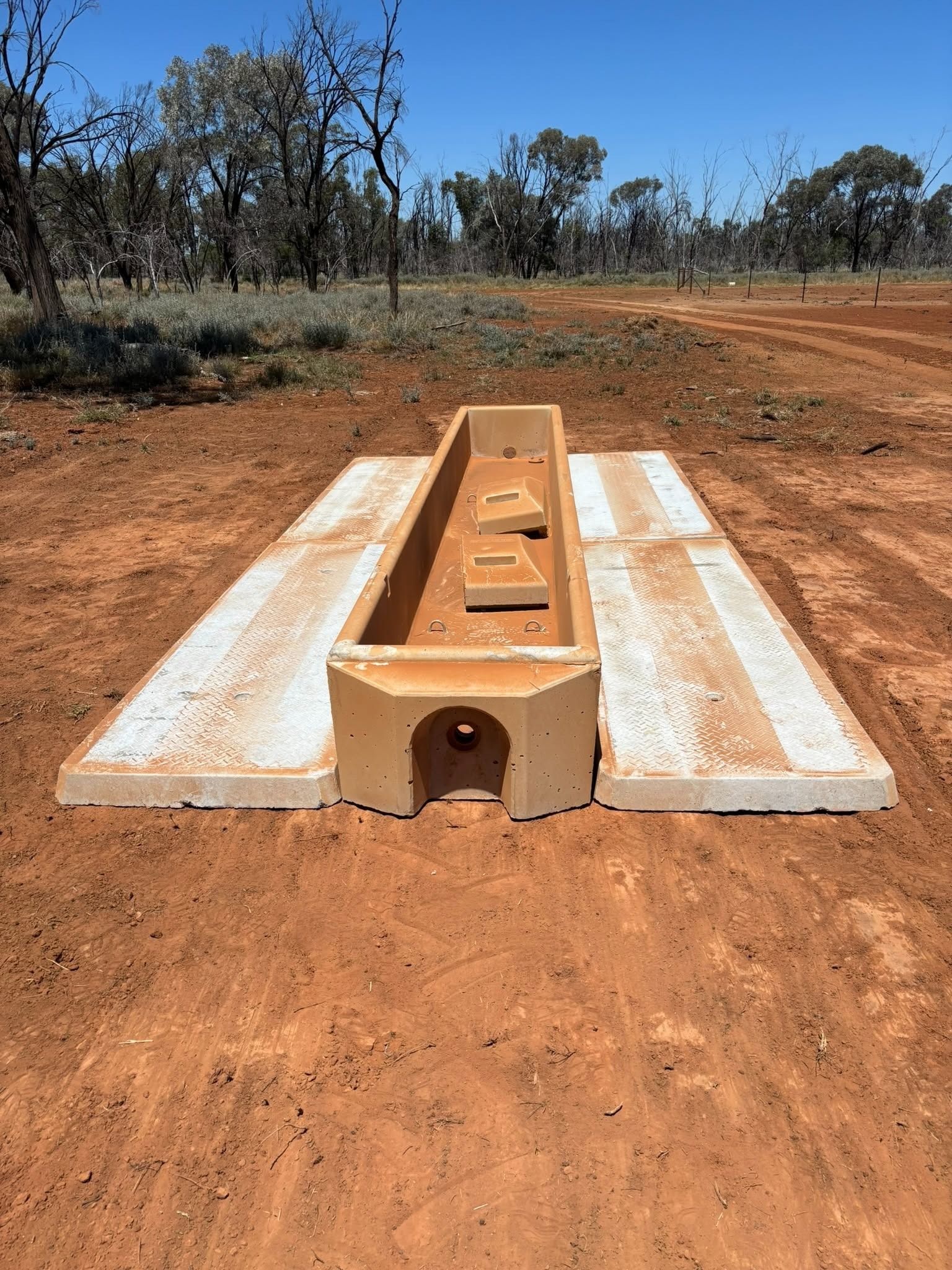
Orange Water Trough in NSW
By Graham’s Precast Concrete Products Pty Ltd June 7, 2026
Compare round and long concrete water troughs in NSW or QLD to find the right farm layout for your needs. Learn the key benefits and contact us today.

Silver Cattle Grid in NSW and QLD
By Graham’s Precast Concrete Products Pty Ltd May 31, 2026
Improve farm infrastructure with concrete cattle grids in NSW & QLD. Learn how better planning can improve property flow and access. Contact us today.
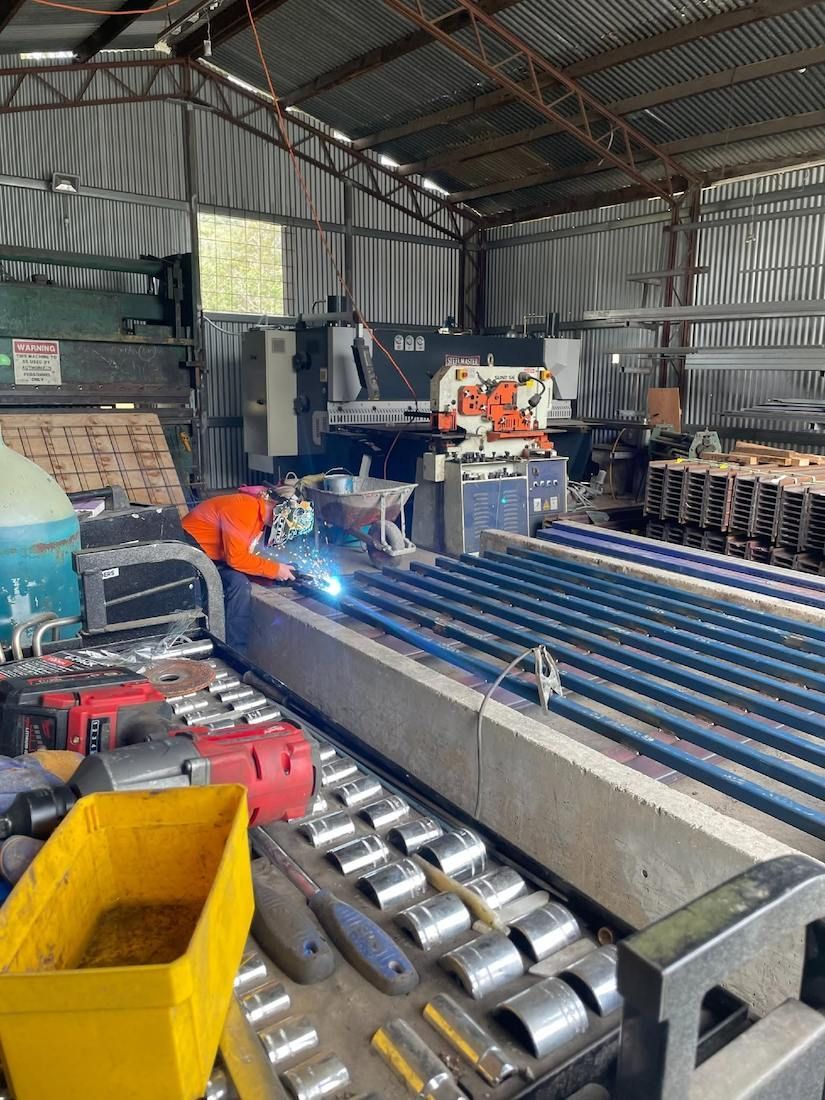
Worker Welding Metal Framework For Concrete Water Troughs In QLD
By Graham's Precast Concrete Products PTY LTD May 19, 2026
Learn how cattle grid size affects livestock control and farm access. Explore concrete water troughs in QLD and make informed choices today.
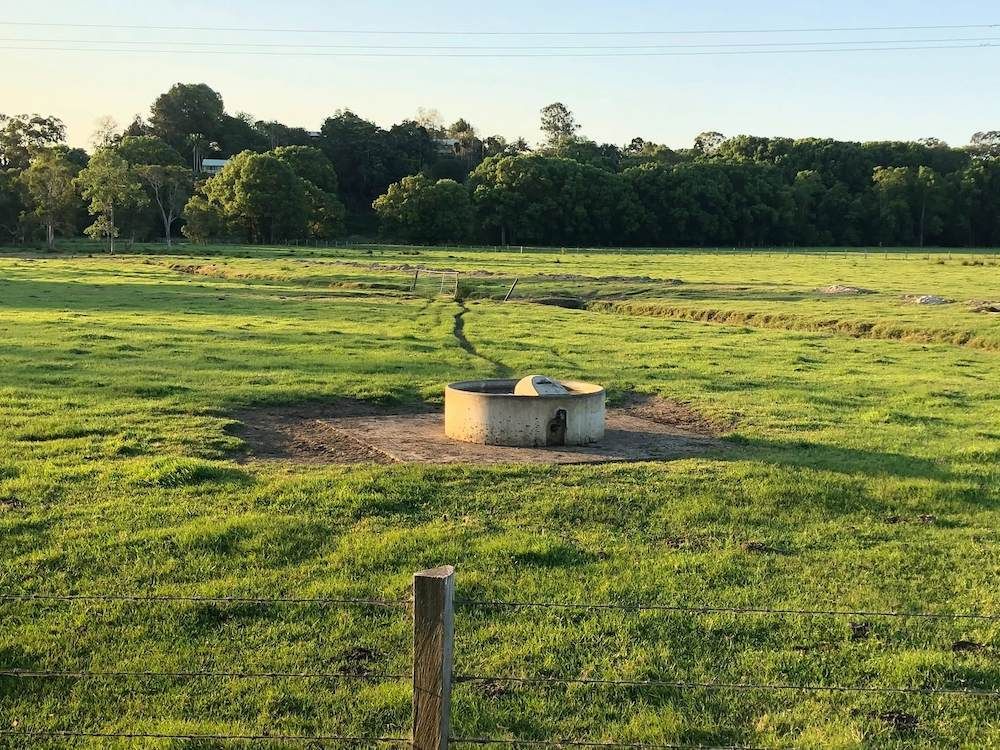
Concrete Water Troughs In NSW Installed On Rural Pasture
By Graham's Precast Concrete Products PTY LTD May 12, 2026
Explore how concrete water troughs in NSW support livestock hydration, cleaner water and herd health. Learn what makes a better trough today.
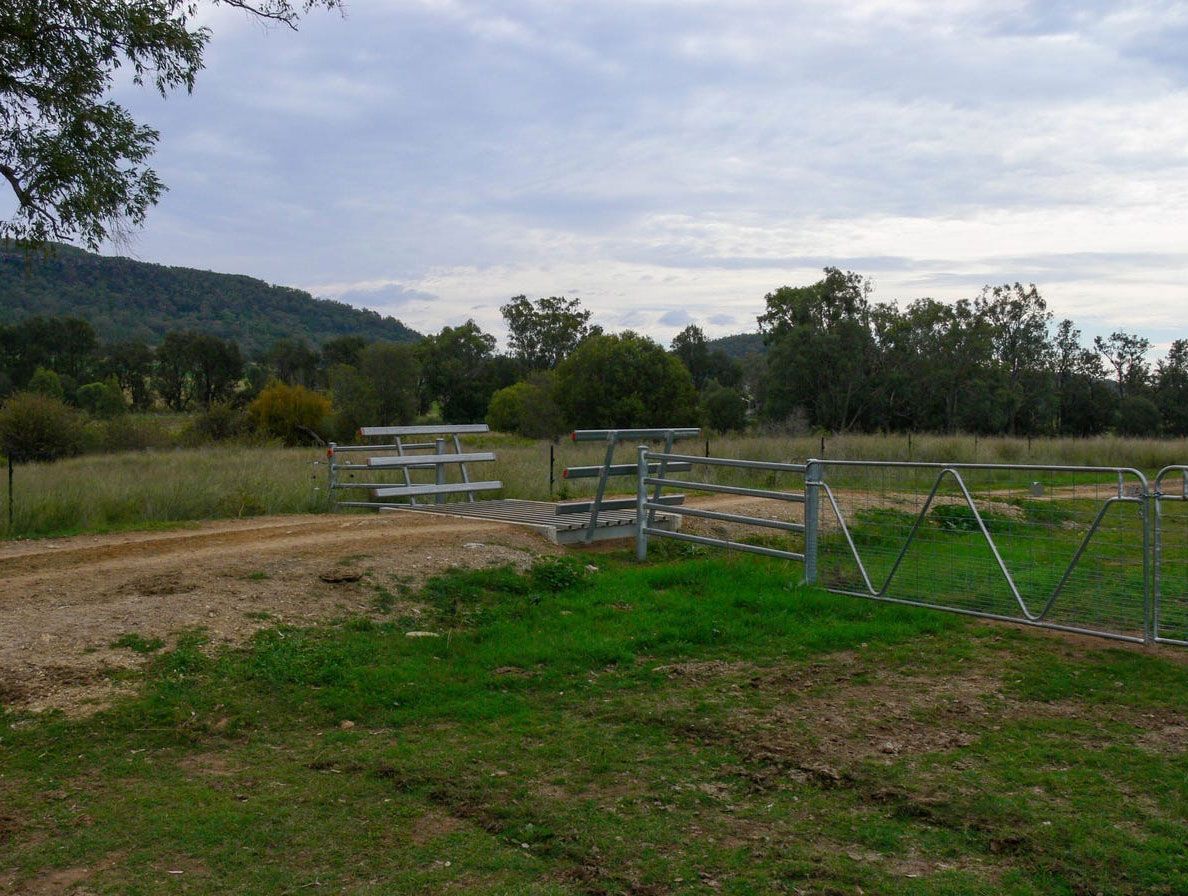
Newly Installed Cattle Grids In QLD
By Graham’s Precast Concrete Products Pty Ltd May 12, 2026
Explore the average costs of cattle grids for sale in QLD in 2026 and learn what affects pricing. Get expert advice today. Contact us to learn more.
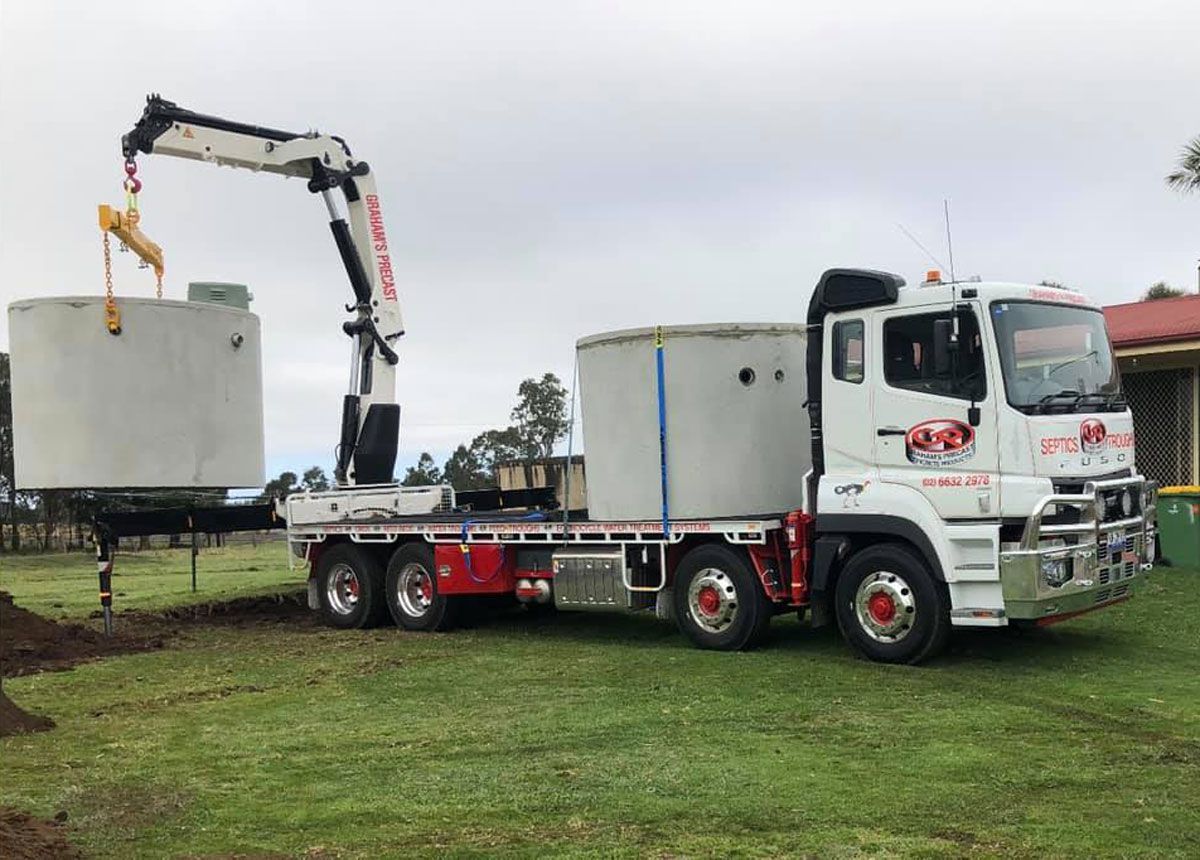
Delivering Concrete Septic Tanks
By Graham’s Precast Concrete Products Pty Ltd May 5, 2026
Learn how soil and ground conditions affect septic systems in Lismore and why proper design matters. Read our blog or call us to learn more.
Concrete Troughs In NSW Displayed At Rural Product Yard
By Graham's Precast Concrete Products PTY LTD March 23, 2026
Discover why concrete troughs in NSW support reliable livestock watering with durability, stability and lower maintenance. Read more today.

Quality Concrete Grid In QLD And NSW
By Graham’s Precast Concrete Products Pty Ltd February 24, 2026
Learn essential tips for effective cattle grid maintenance to keep your grids safe and functional. Read our expert guide now.

Show More