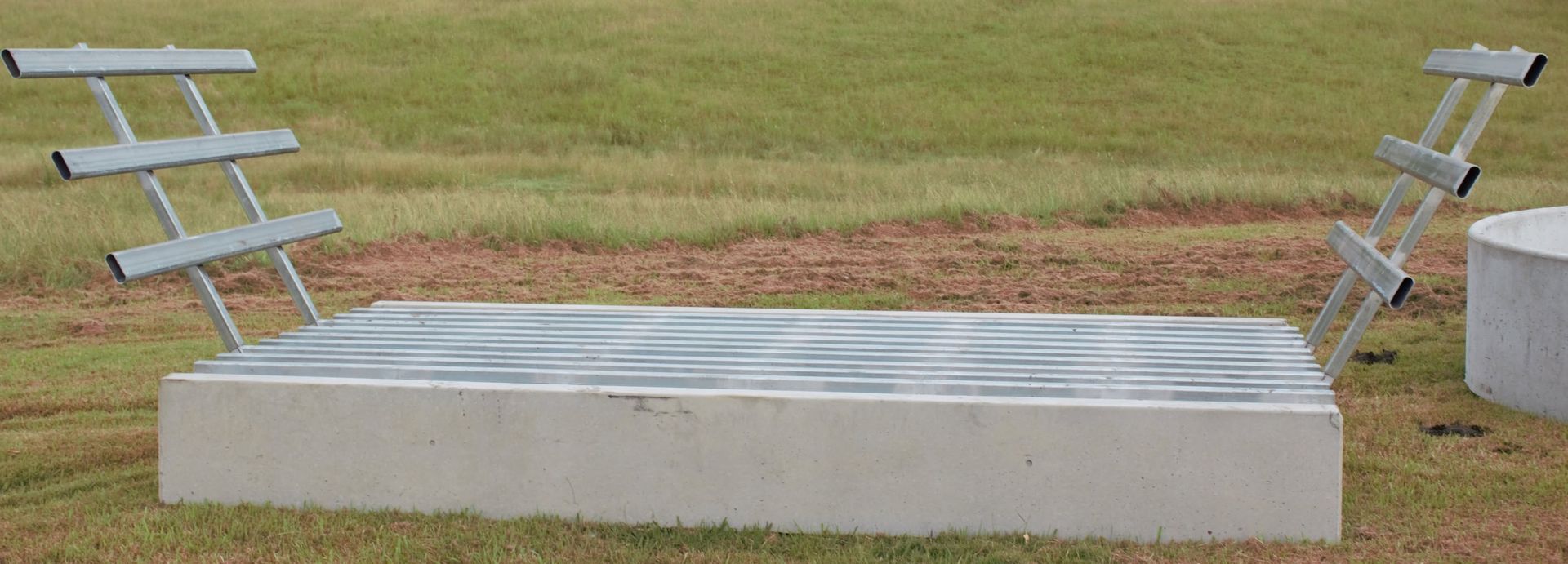
Improving Property Flow Through Better Infrastructure Planning
Managing a large rural property is as much about logistics as it is about land. Every unnecessary stop at a gate, every detour around a paddock boundary, and every hour spent on access management adds up across a working week. For graziers, farmers, and rural land managers across New South Wales and Queensland, the infrastructure decisions made at the planning stage have a direct and lasting impact on how efficiently a property operates day to day. Among those decisions, the placement and selection of concrete cattle grids in NSW and QLD is one of the most practical upgrades a working property can make.
What Cattle Grids Actually Do for a Working Property
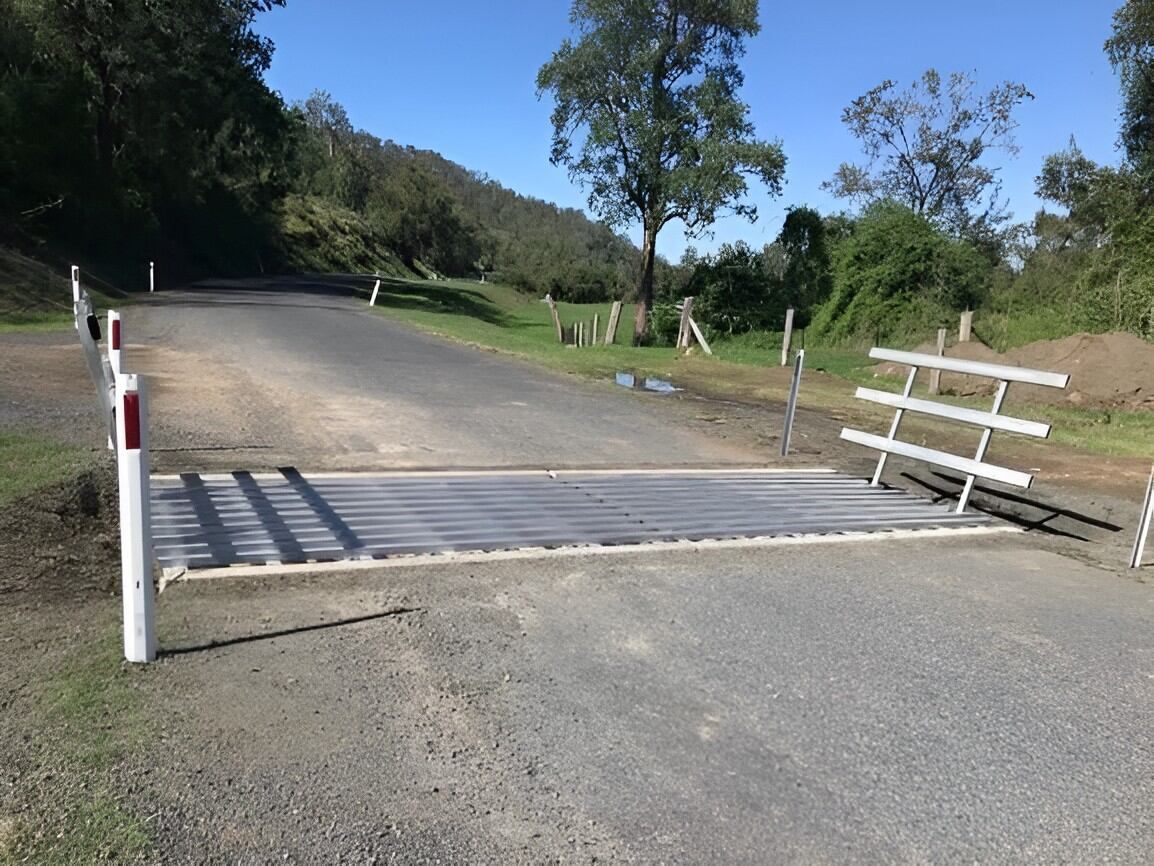
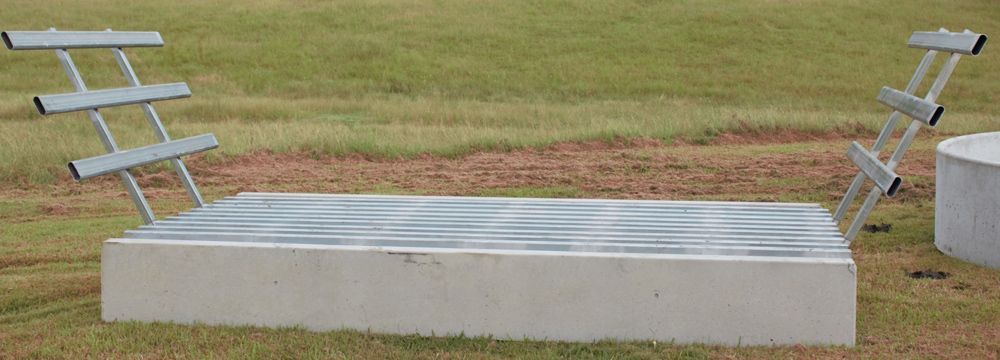
Before getting into materials and planning, it's worth being clear about the core function cattle grids serve. At their simplest, they allow vehicles to pass freely over a boundary point while preventing livestock from crossing in either direction.
The operational benefit is significant:
- Vehicles can move between paddocks or along access roads without drivers needing to stop, open, and close gates
- Livestock boundaries are maintained passively, reducing the need for manual intervention
- High-traffic access points, such as those used by contractors, feed deliveries, or machinery, remain accessible without compromising stock containment
- Gate fatigue, one of the more common causes of accidental livestock escapes, is effectively eliminated at treated crossing points
Why Concrete Outperforms Other Cattle Grid Materials
Cattle grids are available in a range of materials, but not all of them are suited to the demands of a working rural property. Timber and steel alternatives each carry limitations that become apparent quickly under regular use.
Concrete offers a fundamentally different performance profile:
- Concrete grids are not affected by rust, rot, or UV degradation, all of which shorten the lifespan of steel and timber alternatives in exposed rural environments
- Load-bearing capacity is significantly higher, making concrete the appropriate choice for properties that regularly move heavy machinery, livestock transport vehicles, or loaded farm trucks
- Ongoing maintenance requirements are minimal compared to steel grids, which require periodic repainting or treatment to prevent corrosion
- Concrete structures perform consistently across the temperature extremes and wet season conditions common across both New South Wales and Queensland
For properties where infrastructure is expected to last decades rather than years, concrete is the material that supports that expectation.
Planning Placement for Maximum Operational Benefit
Installing a cattle grid in the wrong location delivers far less value than one positioned with the full property layout in mind. Placement planning should start with a clear picture of how the property moves, not just where boundaries currently sit.
Key placement considerations include:
- High-frequency crossing points, where vehicles pass multiple times daily, deliver the strongest return on investment and should be prioritised
- Access roads connecting to public roads or neighbouring properties often benefit from a grid at the entry point to remove the need for a manned or padlocked gate
- Paddock-to-paddock crossings used during mustering, feeding runs, or infrastructure maintenance are strong candidates for grid installation
- Properties with multiple workers or regular contractor access will see immediate efficiency gains at any point where gate management currently creates delays
A grid placed at a low-use boundary may look tidy on a plan but won't deliver meaningful time savings. The goal is to map actual vehicle movement patterns first.
Load Requirements and Structural Specifications
Selecting a cattle grid without understanding the load requirements of the vehicles that will use it is one of the more common planning oversights. A grid rated for light vehicle use will not perform safely or reliably under the weight of heavy agricultural equipment.
Matching the specification to the application means considering:
- The heaviest vehicle likely to cross the grid regularly, whether that's a loaded B-double livestock transport, a tractor with implements, or a standard farm utility
- Frequency of heavy loads, as a grid used occasionally by heavy machinery has different engineering requirements to one on a permanent haul route
- Soil type and subbase conditions at the installation site, which affect how load is transferred from the grid into the ground beneath it
- Any future changes to property operations that might increase vehicle weight or frequency over time
Working with a supplier who manufactures to defined load ratings, rather than offering a single generic product, ensures the grid is matched to the actual demands of the site.
Drainage Integration and Long-Term Performance
Water management is a factor that's easy to overlook during planning but becomes very apparent after the first significant rainfall. A cattle grid installed without adequate drainage consideration can become a water trap, undermining the surrounding roadway and reducing the structural life of the installation.
Drainage planning for concrete cattle grid installations typically addresses:
- The profile of the approach road and how water will move across and away from the grid during heavy rain
- Sumps or pits beneath the grid that collect debris and water, which need to be designed for the expected rainfall intensity of the region
- Integration with existing culverts, table drains, or stormwater management infrastructure already present on the property
- Ongoing sump maintenance, which is considerably easier when access has been designed into the installation from the outset
Properties in Queensland's wetter regions or in areas prone to flash flooding need drainage solutions that account for high-intensity rainfall events, not just average conditions.
Integrating Cattle Grids With Fencing and Roadways
A cattle grid functions as part of a larger system. Its effectiveness depends on how well it connects with the fencing lines and road surfaces on either side. A grid installed in isolation, without consideration for the infrastructure around it, rarely delivers its full potential.
Integration planning should account for:
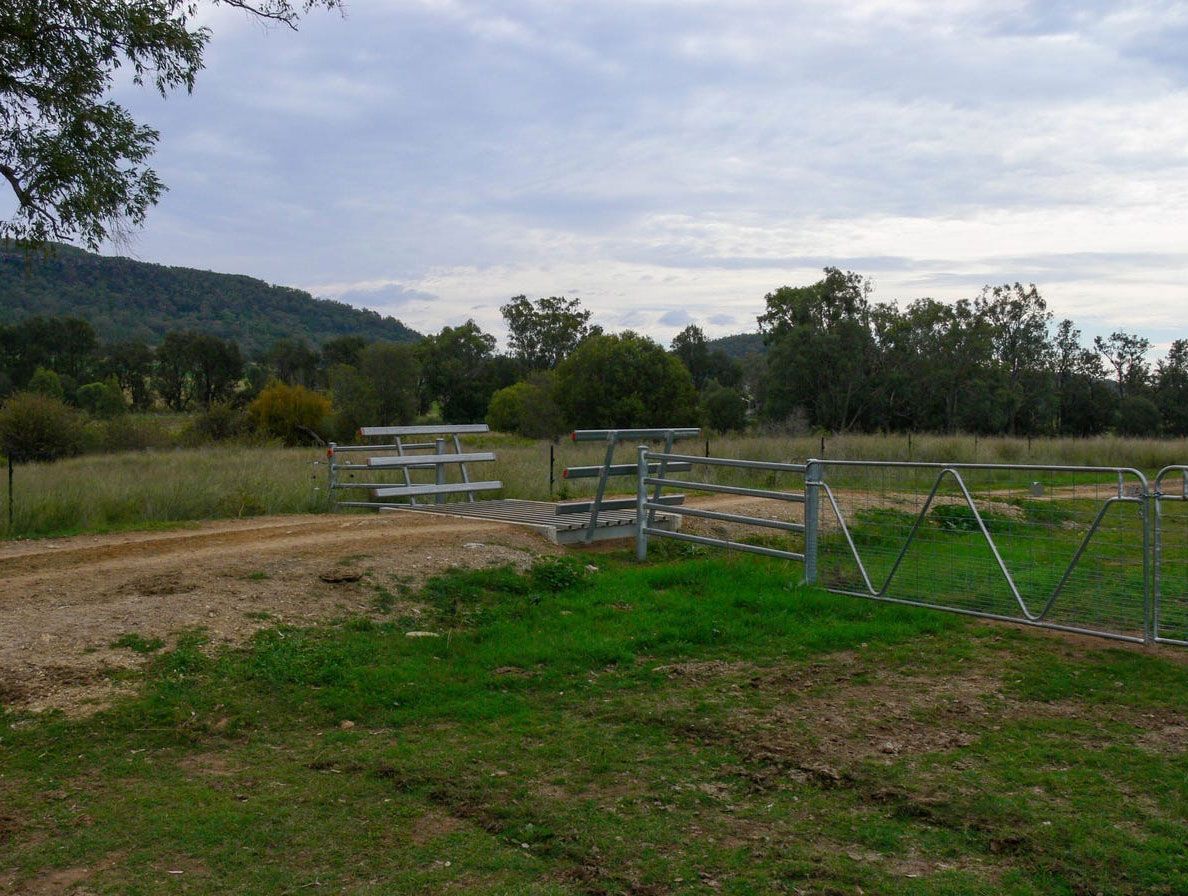
- Wing fencing on either side of the grid to prevent livestock from walking around the crossing point, which is one of the most common reasons grids fail to contain stock effectively
- The transition between the grid surface and the road approach, which affects both vehicle comfort and the structural loading on the grid edge
- Gate bypasses adjacent to the grid for situations where livestock need to be moved through the crossing point deliberately, such as during mustering or veterinary work
- Consistency with the broader fencing plan across the property, so that grid installations support the overall stock management strategy rather than creating isolated solutions
How Infrastructure Investment Reduces Labour and Improves Safety
The efficiency argument for better rural infrastructure is straightforward, but the safety dimension is equally important and often less discussed. Gates that require regular opening and closing introduce risk at every interaction, particularly for solo workers or in low-visibility conditions.
Replacing high-frequency gate points with cattle grids addresses several safety concerns directly:
- Eliminating the need to exit a vehicle on a busy access road or near active livestock reduces exposure to collision and crush risks
- Workers managing large properties alone face fewer situations where a physical task at a gate crossing could become a hazard
- Cattle grids for sale in NSW and QLD are increasingly specified by rural safety planners as part of broader risk reduction strategies on large properties
- Reduced reliance on manual gate management means that fatigue-related errors, a genuine risk during long working days, are less likely to result in livestock escapes or access failures
Infrastructure that removes a repeated manual task from the working day compounds its value across hundreds of interactions over the life of the installation.
Thinking About Cattle Grids Across Multiple Access Points
For larger properties, the question is rarely whether to install a cattle grid but how many and where. A single grid at the main entry point is a useful start, but properties with multiple paddocks, several access routes, or shared boundaries with neighbours often benefit from a coordinated installation approach.
Planning across multiple access points allows for:
- Consistent stock containment logic across the entire property, rather than a patchwork of grids and gates that requires workers to remember different protocols at different crossings
- Staged installation that prioritises the highest-traffic points first while planning for future additions as the property develops
- Bulk procurement advantages when ordering cattle grids in NSW
- across several installations, which can reduce per-unit costs and simplify logistics
- A unified approach to drainage and road integration that produces better outcomes than treating each crossing as an independent project
Properties that plan their grid network as a whole tend to see stronger operational improvements than those that add grids reactively as problems arise.
Speak to Grahams Precast About Your Property's Needs
We at Graham’s Precast Concrete Products Pty Ltd work with farmers, graziers, rural developers, and property managers across New South Wales and Queensland who are serious about building infrastructure that performs for the long term. We manufacture concrete cattle grids to defined load ratings, which means the product you receive is matched to the demands of your specific site rather than a generic specification that may or may not suit your conditions.
Rural properties in both states face genuine infrastructure challenges, from wet season access to high-load machinery movements, and the right cattle grids for sale in QLD and NSW need to be built to handle those conditions reliably. If you're planning a new installation or replacing ageing infrastructure, get in touch with our team to discuss your requirements and find the right solution for your property.