How Soil And Ground Conditions Affect Septic System Design In The Northern Rivers

Graham’s Precast Concrete Products Pty Ltd • May 5, 2026

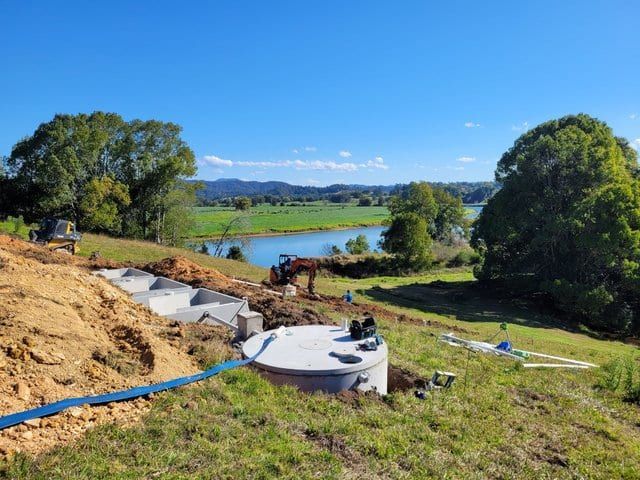
For rural property owners across QLD and NSW, installing a septic system is a long-term investment in the health, safety and functionality of a home or agricultural property. While many people focus on tank size or price, one of the most important factors in septic performance is something you cannot see at first glance, the ground beneath your feet.


Soil composition, drainage capacity, groundwater levels and slope all play a critical role in determining how septic systems Lismore property owners rely on are designed and specified. Understanding these factors helps ensure durability, compliance and long-term reliability.

Why Ground Conditions Matter in Septic System Design

A septic system does far more than store wastewater. It separates solids, allows natural bacterial breakdown and safely disperses treated effluent into the surrounding soil.


For this process to work effectively, the soil must be capable of absorbing and filtering wastewater without becoming saturated or contaminated. If ground conditions are not properly assessed, the system may experience premature failure, environmental harm or costly remediation work.


For large rural properties in country areas, where homes may be positioned far from town sewer networks, careful planning is essential.

Soil Types and Their Impact on Septic Performance

Different soil types behave very differently when it comes to water movement and absorption.

Sandy Soils

Sandy soils drain quickly and allow water to pass through with minimal resistance. While this may seem ideal, excessive drainage can mean insufficient time for natural filtration. Effluent may travel too quickly through the soil, reducing treatment effectiveness.

Clay Soils

Clay-based soils hold water for longer periods and drain slowly. This can create challenges for absorption trenches, as effluent may struggle to disperse. Poor drainage increases the risk of surface pooling and system overload.

Loam and Balanced Soils

Loamy soils, which contain a balanced mix of sand, silt and clay, are often considered ideal for septic systems. They allow steady drainage while supporting natural filtration processes.


Understanding soil type helps determine:


  • The appropriate size of absorption areas
  • The depth of installation
  • The overall system capacity
  • The suitability of site location


For septic systems Lismore rural property owners depend on, soil testing is a critical first step.

Drainage Capacity and Percolation Rates

Drainage capacity is typically measured through percolation testing, which assesses how quickly water moves through soil.


If drainage is too slow, effluent may accumulate and saturate the surrounding ground. If too fast, treatment may be incomplete. Both extremes can compromise performance.


System sizing must reflect these findings. In slower draining soils, larger or more carefully designed absorption areas may be required to manage wastewater volumes safely.


High quality precast concrete tanks play an important role in managing this balance. Their watertight construction ensures wastewater is contained properly until natural treatment processes occur.

Groundwater Levels and Seasonal Variations

Groundwater depth is another major factor influencing septic system design. In some rural regions, groundwater levels may rise significantly during heavy rainfall or seasonal changes.


If a septic tank or absorption system is installed too close to groundwater, untreated effluent may contaminate surrounding water sources. This poses environmental and health risks.


Concrete septic tanks offer a major advantage in these conditions. Their weight and structural integrity reduce the risk of buoyancy or floating issues that can occur with lighter materials in saturated ground.


For septic systems in Lismore, selecting rigid, engineered precast concrete components helps maintain stability in variable soil and moisture conditions.

Slope and Land Topography

The natural slope of the land affects both installation and performance.


Steep slopes can:


  • Increase surface runoff
  • Complicate trench design
  • Raise erosion risks


Flat or poorly draining land may require careful grading and layout adjustments to ensure proper flow away from the home.


System design must account for gravity flow, effluent distribution and compliance with environmental regulations. Proper planning ensures wastewater moves safely through each stage of the system.


Precast concrete tanks manufactured under controlled conditions provide consistent dimensions and structural reliability, supporting accurate placement and alignment on site.

Environmental Considerations in Rural Areas

Rural and country properties often sit near waterways, agricultural land or environmentally sensitive areas. This increases the importance of careful septic design.


Factors such as:


  • Proximity to dams or creeks
  • Flood-prone zones
  • Soil erosion risks
  • Agricultural runoff


must all be considered when specifying septic components.


Concrete septic tanks offer strong resistance to environmental pressures. They do not rust, warp or degrade easily, making them well-suited to long term use in rural environments across QLD and NSW.

Tank Selection and System Sizing

Soil and ground conditions directly influence tank selection and capacity.


Key considerations include:


  • Household size
  • Expected wastewater volume
  • Soil absorption rate
  • Site constraints


Larger rural homes or properties with additional facilities may require increased tank capacity to ensure adequate retention time for solid separation and bacterial digestion.


Concrete septic tanks are manufactured to strict industry standards and are structurally certified. This ensures strength, durability and compliance with regulatory requirements.


Manufacturing in a controlled factory environment allows accurate mixing, curing and dimensional consistency. This results in a higher quality product compared to on-site alternatives.

Long Term Performance and Durability

Ground movement, moisture variation and soil pressure place constant stress on underground infrastructure.


Precast concrete offers:


  • High compressive strength
  • Resistance to soil pressure
  • Long service life
  • Minimal risk of deformation


Unlike lighter materials, concrete tanks remain stable once installed and are not prone to shifting or floating. Their rigidity and watertight design reduce the risk of leaks and groundwater contamination.


For septic systems in Lismore, durability is not optional, it is essential.

Why Quality Manufacturing Matters

While system design considers soil and environmental factors, the quality of the septic tank itself is equally important.


Precast concrete tanks manufactured under strict quality controls provide:


  • Consistent structural integrity
  • Compliance with engineering standards
  • Reliable long term performance
  • Reduced maintenance concerns


With over 40 years of experience supplying concrete products across QLD and NSW, Graham’s Precast Concrete Products has built a reputation for strength, reliability and quality workmanship.


As a manufacturer of precast concrete products, the focus remains on delivering durable, engineered septic components ready for connection by licensed professionals.

Supporting Rural Properties Across QLD and NSW

For rural property owners, septic system performance depends on more than just installation. Soil conditions, drainage capacity and groundwater levels all influence long-term success.


By understanding these ground factors and selecting high-quality precast concrete components, property owners can protect their investment and ensure wastewater is managed safely and effectively.


To learn more about reliable precast septic components for rural properties across QLD and NSW, visit our website.


Choosing durable, engineered concrete products ensures your septic system is built to withstand the unique ground conditions of country environments for decades to come.

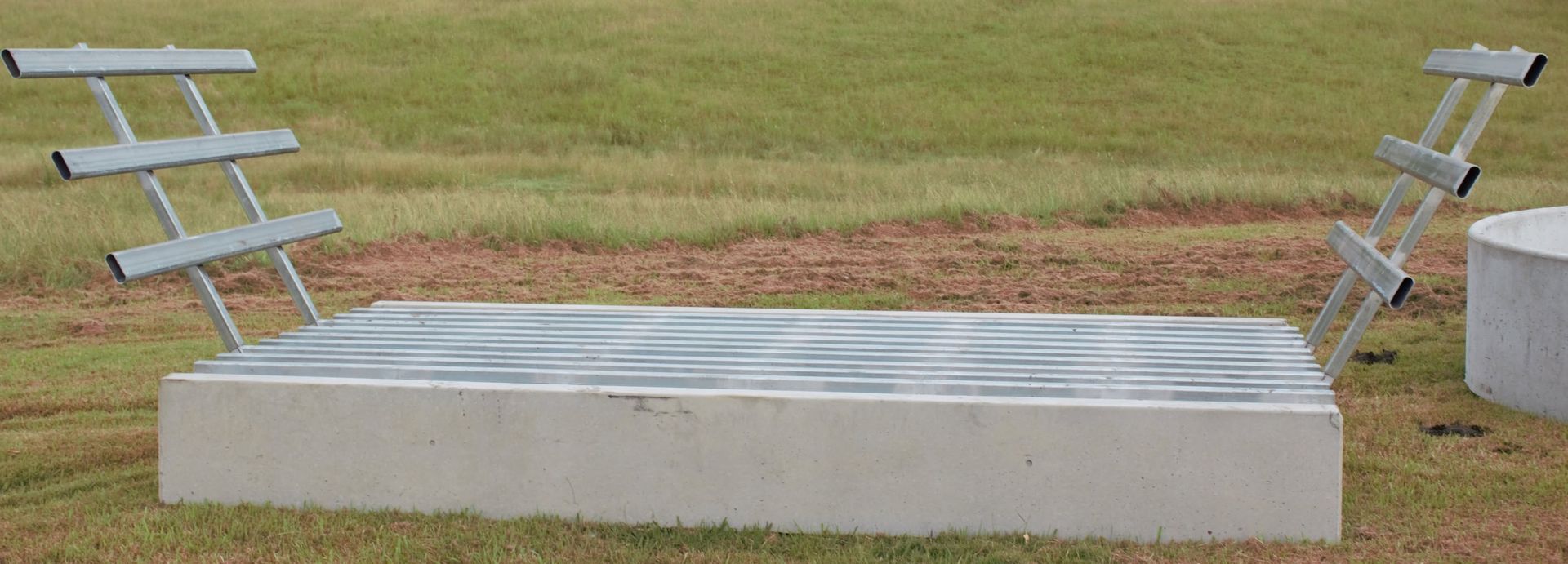
Newly Installed Cattle Grids In QLD
By Graham’s Precast Concrete Products Pty Ltd May 12, 2026
Explore the average costs of cattle grids for sale in QLD in 2026 and learn what affects pricing. Get expert advice today. Contact us to learn more.
Quality Concrete Grid In QLD And NSW
By Graham’s Precast Concrete Products Pty Ltd February 24, 2026
Learn essential tips for effective cattle grid maintenance to keep your grids safe and functional. Read our expert guide now.

Doable Concrete Septic Systems In QLD And NSW
By Graham’s Precast Concrete Products Pty Ltd October 27, 2025
Discover why concrete septic systems are ideal for high water table areas. Learn their benefits and choose the right system today.
A Quality Concrete Cattle Grids
By Graham’s Precast Concrete Products Pty Ltd September 23, 2025
Boost farm efficiency and sustainability with cattle grids for sale in QLD. Improve access, reduce erosion and enquire today.
A Durable Concrete Water Troughs In QLD
By Graham’s Precast Concrete Products Pty Ltd September 23, 2025
Position concrete water troughs in QLD for maximum efficiency and water savings. Improve livestock access and performance. Learn more today.
A Concrete Water Troughs In QLD And NSW
By Graham’s Precast Concrete Products Pty Ltd September 6, 2025
Discover what causes cracks and how to prevent damage in concrete water troughs in NSW and QLD. Learn how to extend their service life. Read more.
Concrete Cattle Grids In NSW
By Graham’s Precast Concrete Products Pty Ltd April 16, 2025
Discover how concrete cattle grids in NSW improve livestock control, reduce labour and boost farm efficiency. Learn more today.
A Long Concrete Beam is Sitting in the Middle of a Dirt Field — Graham's Precast Concrete Products Pty Ltd in Kyogle, NSW
September 16, 2024
Learn the essential uses of feeding troughs for livestock, from controlling feed intake to improving hygiene. Read more!
A Metal Fence is Sitting on the Side of a Road — Graham's Precast Concrete Products Pty Ltd in Kyogle, NSW
By Graham’s Precast Concrete Products Pty Ltd September 11, 2024
Discover essential facts about cattle grids, their benefits, and installation tips. Learn how they improve livestock management. Read more now.
A Brown Horse Standing Next to a Concrete Ring in a Field — Graham's Precast Concrete Products Pty Ltd in Kyogle, NSW
By Graham’s Precast Concrete Products Pty Ltd July 10, 2024
Discover the dos and don’ts of using concrete troughs for farm hydration. Learn proper etiquette to ensure long-lasting water systems.
Show More