Why Concrete Septic Systems Are Ideal For High Water Table Areas

Graham’s Precast Concrete Products Pty Ltd • October 27, 2025

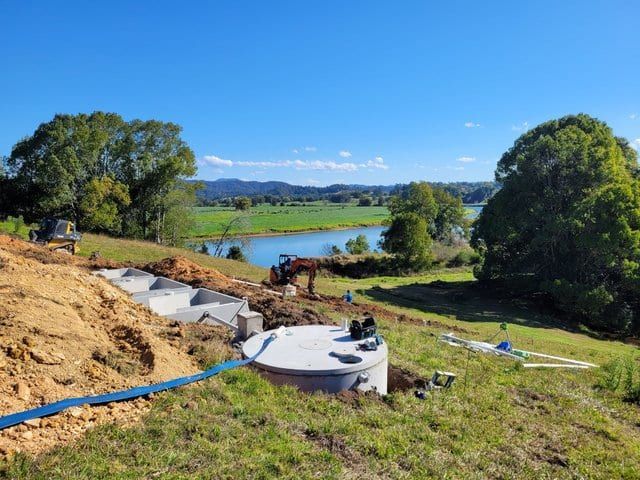
Imagine you’re managing a sprawling rural property in Queensland or New South Wales where the land is generous, the weather unpredictable, and the soil often sits heavy with moisture. In such a setting, your on‑site wastewater system isn’t just a technical detail – it’s a critical piece of infrastructure. If groundwater rises after rain or the site sits on a high water table, conventional systems may struggle or fail. That’s why choosing a robust septic tank – specifically, a factory‑manufactured concrete tank – matters. 


In this blog, we explore why concrete septic systems are especially well-suited for properties with high‑water tables, how their mass and durability support reliability, and how they align with large rural property needs.

The Challenge of High Water Tables & Rural Properties

When a large rural property sits on land where groundwater is near the surface, or where drainage is slow, a septic system can face significant stress. In such sites:


  • Soil around the tank may remain saturated for long periods, reducing natural absorption and increasing the risk of seepage.
  • The tank itself may be subject to buoyant forces — as the water table rises, lighter tanks can shift, float or settle unevenly.
  • Heavy equipment or vehicles common on rural blocks impose additional load on the soil and system.

Why Tank Material Choice Matters in High Water Conditions

Not all septic tanks are created equal – the material you choose can make a decisive difference in high groundwater situations. In comparing options:


  • Lightweight materials such as plastic or fibreglass may be easier to install, but they are more prone to movement, distortion or flotation when groundwater exerts upward pressure.
  • Lighter tanks may require additional anchoring or ballast in saturated soils, increasing complexity.
  • By contrast, a heavy, well‑engineered concrete tank provides inherent stability and structural resistance to soil, water pressure and load from above.

Weight & Stability: Concrete Tanks Resist Floating

Consider a rural paddock after heavy rainfall: the water table has risen, the soil is saturated, and any void beneath an installed tank could allow it to lift or shift. Concrete tanks address this:


  • Their substantial weight anchors them firmly in place, minimising the risk of buoyancy forcing displacement.
  • Even when groundwater rises, the rigid form of precast concrete resists deformation or misalignment of inlet/outlet pipework.
  • For a factory‑produced tank, the consistency of design and reinforcement means the foundation for performance is set before installation.

Durability & Long Term Performance in Difficult Soil Conditions

Large rural properties often demand infrastructure that can endure over many years with minimal maintenance. Concrete septic tanks fit this requirement:


  • They offer long service life – many can endure decades of use when installed correctly.
  • They resist corrosion, distortion and loads (including vehicle crossings) better than lighter materials, which may be compromised under heavier rural traffic or shifting soils.
  • Fewer structural issues mean less frequent maintenance, and fewer chances of system failure that trigger large remedial costs.

Environmental Protection: Safeguarding Groundwater From Contamination

In rural settings, many properties share or neighbour groundwater reserves, creeks or wetlands. Septic system failure in a high‑water table zone is not just an inconvenience – it can pose an environmental risk. A well‑designed concrete septic system contributes to the protection of these assets:


  • The integrity of a reinforced concrete tank reduces the risk of leaks or structural failure that could allow untreated effluent to escape.
  • A stable installation means fewer movements or misalignments that could compromise the seal of inlet/outlet connections or interfere with drainage.
  • A manufacturer underscores the link between product and responsible environmental stewardship in rural zones by emphasising quality, structural strength and compliance.

Why Concrete Septic Systems Suit Large Rural Blocks & Remote Access

Owners of large rural properties often face logistical and service‑access challenges: remote area, longer service distances, site logistics for installation and fewer maintenance visits. Concrete tanks suit this context well:


  • Their robust nature means they are less likely to require frequent servicing, an advantage when reaching the site is more difficult or expensive.
  • Heavy‑duty tanks handle large loads and are suited to rural usage patterns (machinery, outbuildings, vehicle traffic).
  • From a manufacturing standpoint, supplying standardised pre‑cast concrete units means consistency and quality control, while local installers can coordinate delivery and placement in remote locations.

Installation Best Practices for Concrete Tanks in High Water Table Sites

Even the strongest product must be installed correctly in high‑water table situations. Here are key considerations for installing a concrete septic tank on a rural property with saturated soils:


  • Ensure the excavated hole accounts for seasonal groundwater fluctuations and is de‑watered or stabilised where required.
  • Use proper bedding and anchoring. Additional ballast or surrounding concrete may be recommended in high-water table zones to prevent flotation.
  • Backfilling must use appropriate material, compacted in layers, to avoid voids or uneven support around the tank.
  • Coordination between manufacturer, installer, and property owner ensures the tank and site conditions match (volume, load, soil type) and that the rural setting is fully considered.

Long Term Value Proposition: Low Risk, Durable Solution for High Water Rural Sites

For a large rural property owner, investing in a concrete septic tank should be considered a long‑term strategic infrastructure move. The benefits include:


  • Reduced risk of system failure due to shifting soils, rising water tables or heavy loads.
  • Thanks to durable material and robust installation, there is a lower likelihood of maintenance or corrective costs.
  • Improved alignment with environmental compliance and reduced risk of contamination are increasingly important in rural zones near groundwater or waterways.

Find the Right Septic System for Your Rural Property

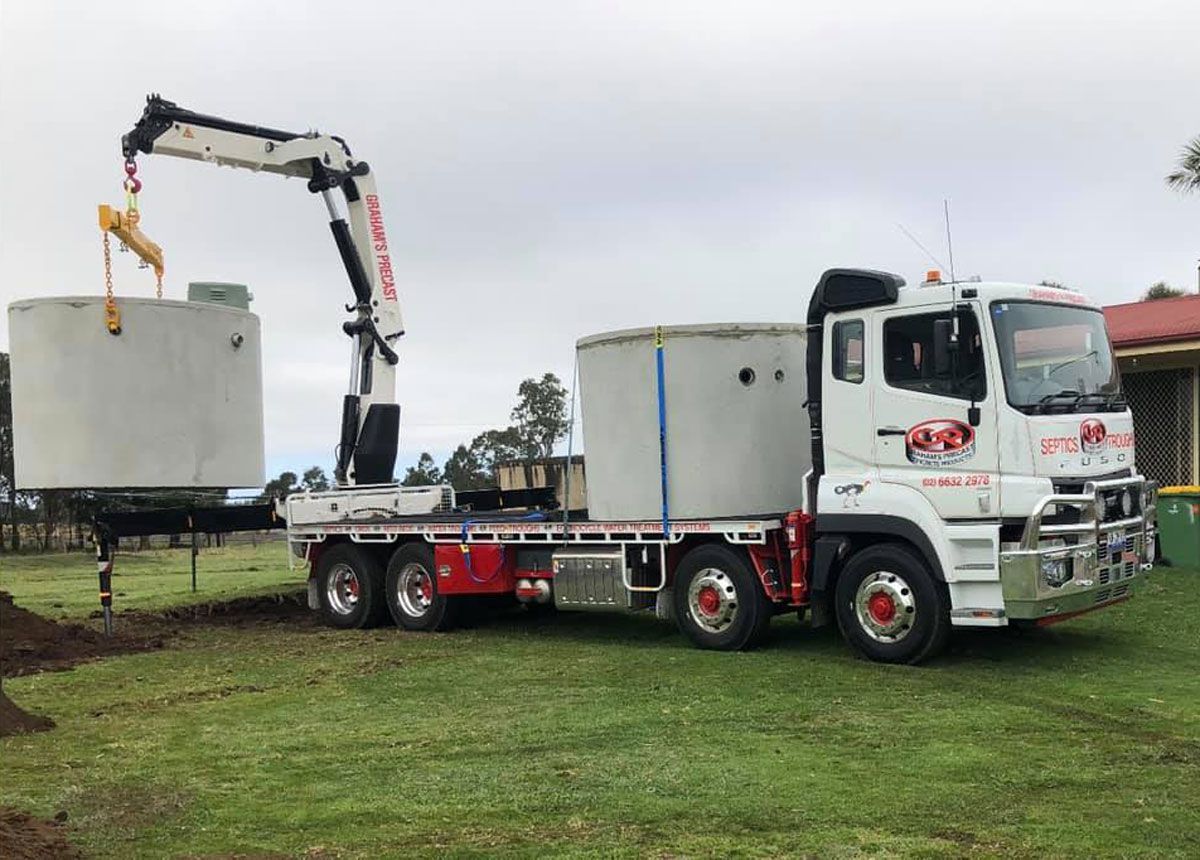
At Graham’s Precast Concrete Products Pty Ltd, we manufacture concrete septic systems designed to meet the challenges of high-water table areas and rural properties across QLD and NSW. Our precast tanks offer long-term performance, exceptional stability and low-maintenance peace of mind — ideal for large properties with demanding soil conditions.


If you're planning new infrastructure or replacing an old tank, we're here to help you choose the right solution for your land. Explore our full range or get in touch to speak with our team. Give us a call for more information or to book a consultation today.

Quality Concrete Grid In QLD And NSW
By Graham’s Precast Concrete Products Pty Ltd February 24, 2026
Learn essential tips for effective cattle grid maintenance to keep your grids safe and functional. Read our expert guide now.
A Trusted Precast Concrete Supplier
By Graham’s Precast Concrete Products Pty Ltd October 27, 2025
Choose a trusted concrete supplier in NSW to ensure quality, compliance and on-time delivery. Learn why reliability matters. Contact us today.
A Quality Concrete Cattle Grids
By Graham’s Precast Concrete Products Pty Ltd September 23, 2025
Boost farm efficiency and sustainability with cattle grids for sale in QLD. Improve access, reduce erosion and enquire today.
A Durable Concrete Water Troughs In QLD
By Graham’s Precast Concrete Products Pty Ltd September 23, 2025
Position concrete water troughs in QLD for maximum efficiency and water savings. Improve livestock access and performance. Learn more today.
A Concrete Water Troughs In QLD And NSW
By Graham’s Precast Concrete Products Pty Ltd September 6, 2025
Discover what causes cracks and how to prevent damage in concrete water troughs in NSW and QLD. Learn how to extend their service life. Read more.
A Long Concrete Beam is Sitting in the Middle of a Dirt Field — Graham's Precast Concrete Products Pty Ltd in Kyogle, NSW
September 16, 2024
Learn the essential uses of feeding troughs for livestock, from controlling feed intake to improving hygiene. Read more!
A Metal Fence is Sitting on the Side of a Road — Graham's Precast Concrete Products Pty Ltd in Kyogle, NSW
By Graham’s Precast Concrete Products Pty Ltd September 11, 2024
Discover essential facts about cattle grids, their benefits, and installation tips. Learn how they improve livestock management. Read more now.
A Brown Horse Standing Next to a Concrete Ring in a Field — Graham's Precast Concrete Products Pty Ltd in Kyogle, NSW
By Graham’s Precast Concrete Products Pty Ltd July 10, 2024
Discover the dos and don’ts of using concrete troughs for farm hydration. Learn proper etiquette to ensure long-lasting water systems.
A Septic Tank is Being Built in a Field Next to a River — Graham's Precast Concrete Products Pty Ltd in Kyogle, NSW
By Graham’s Precast Concrete Products Pty Ltd July 10, 2024
Learn essential tips for concrete septic tank protection and preventing root damage. Ensure proper septic tank maintenance today!
A Long Concrete Beam is Sitting in the Middle of a Dirt Field — Graham's Precast Concrete Products Pty Ltd in Kyogle, NSW
By Graham’s Precast Concrete Products Pty Ltd April 25, 2024
Discover the importance of precast concrete feeding troughs. Optimize your farming operations with durable solutions. Read on to learn more!
Show More