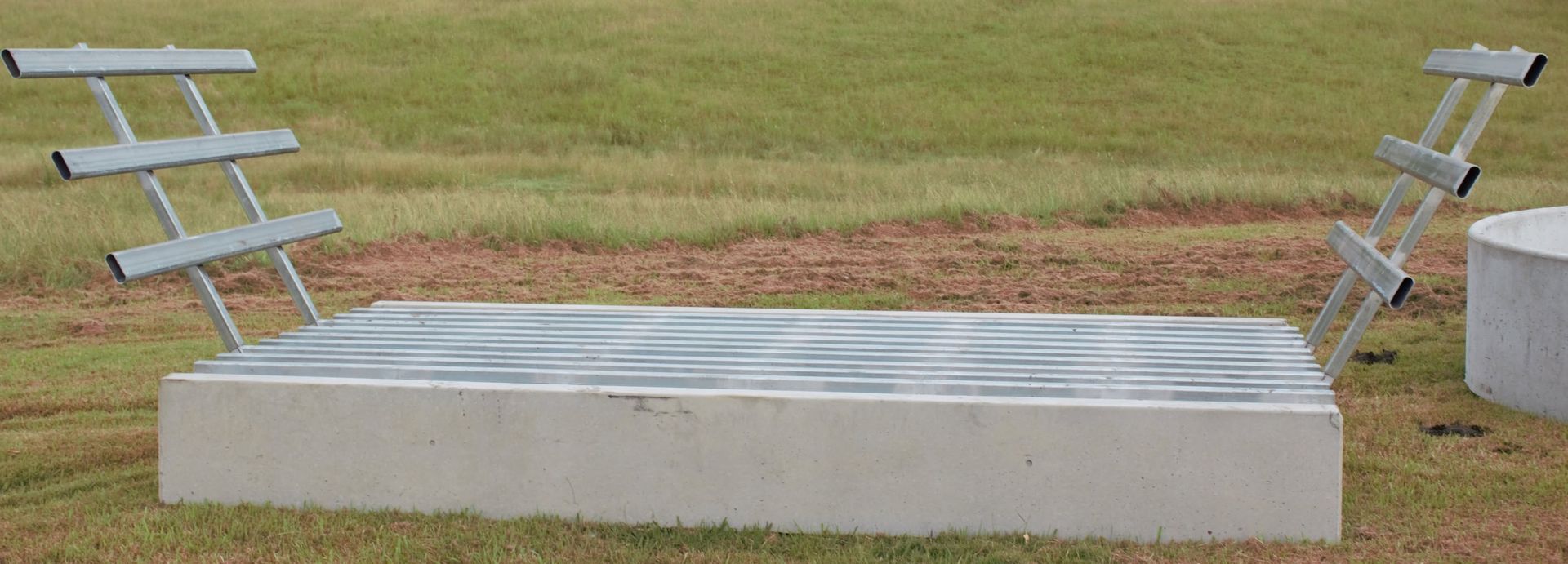
How Long Does A Concrete Cattle Grid Last? Lifespan And What Affects It
A cattle grid is one of those pieces of rural infrastructure you install once and expect to forget about for decades, which makes the material and build quality behind it a vital decision to get right the first time. At Graham's Precast Concrete Products, we've been manufacturing cattle grids in NSW and QLD for more than 40 years, and lifespan is consistently one of the first questions buyers ask when comparing concrete against steel or weighing up different suppliers.
Here's a realistic answer to how long a well-built concrete cattle grid actually lasts, the factors that stretch or shorten that lifespan, and why concrete tends to outperform steel over the long run.
How Long Do Concrete Cattle Grids Actually Last?
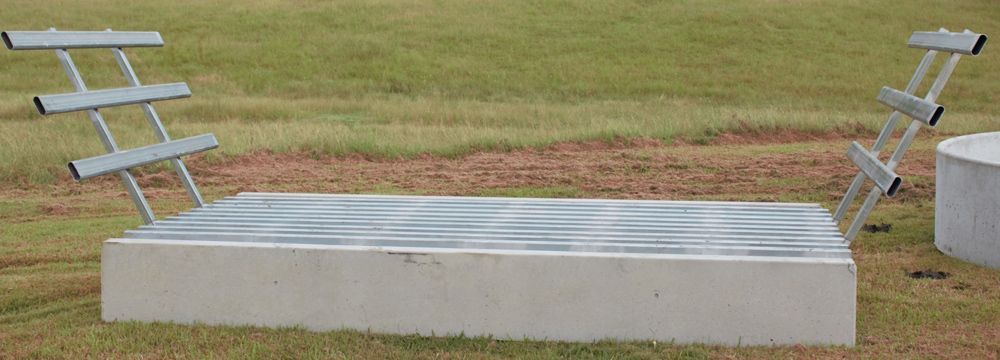
A properly designed and installed concrete cattle grid is generally built to last for decades of regular rural use, often outlasting the vehicles and equipment that cross it daily. Concrete doesn't corrode the way steel does, and when it's reinforced and engineered to the correct load rating for its application, it's designed to hold up to sustained heavy traffic like trucks, machinery and livestock movement without the structural degradation that shortens the working life of a lighter-duty product.
That said, "decades" isn't a guarantee that applies equally to every grid. The actual lifespan of any individual cattle grid depends heavily on how it was designed, how it was installed and the conditions it's exposed to over its working life, which is exactly why two grids that look similar on paper can have very different outcomes ten or twenty years down the track.
What Affects The Lifespan Of A Concrete Cattle Grid?
A handful of factors make the real difference between a cattle grid that lasts as intended and one that starts showing problems well ahead of schedule.
Load Rating Vs Actual Traffic
Every cattle grid is designed with a specific load rating in mind, based on the traffic it's expected to carry. Problems tend to start when actual use exceeds that original design assumption — heavier machinery, more frequent truck traffic, or vehicle types that weren't accounted for when the grid was specified. A grid rated correctly for its actual traffic load will hold up far longer than one that's being pushed beyond what it was engineered for, regardless of how well the concrete itself was made.
This is why getting the load rating right at the design stage matters more than almost any other single decision. It's much easier to specify the correct grid upfront than to deal with structural fatigue from years of overloading later on.
Drainage And Water Management
Water is one of the biggest long-term threats to any concrete structure, cattle grids included. Poor drainage around a grid allows water to pool, and sustained water exposure around the grid's foundations and reinforcement can accelerate wear far faster than dry conditions would. A grid installed with proper drainage, so water moves away from the structure rather than sitting against it, is set up to age far more gracefully than one sitting in a poorly drained low point on the property.
Installation Quality
Even a well-manufactured concrete cattle grid depends on correct installation to perform as designed. Foundation preparation, alignment and how the grid is bedded into the ground all affect how evenly loads are distributed across the structure over time. Because Graham's Precast Concrete Products manufactures the grid itself rather than handling installation, we always recommend working with a qualified installer who follows the specifications the grid was engineered for — a correctly manufactured grid installed poorly won't deliver the lifespan it's capable of.
Concrete And Reinforcement Standard
Not all concrete cattle grids are manufactured to the same standard, and this is where the biggest long-term differences between suppliers tend to show up. The concrete mix, curing process, and the quality and placement of reinforcement steel within the structure all directly affect how well a grid resists cracking, wear and fatigue over years of loaded traffic. A grid built to a genuine structural design standard, with reinforcement specified for its intended load, is a fundamentally different product to one manufactured to a lower, more generic specification, even if both are technically "concrete cattle grids."
Concrete Vs Steel Cattle Grids: Which Lasts Longer?
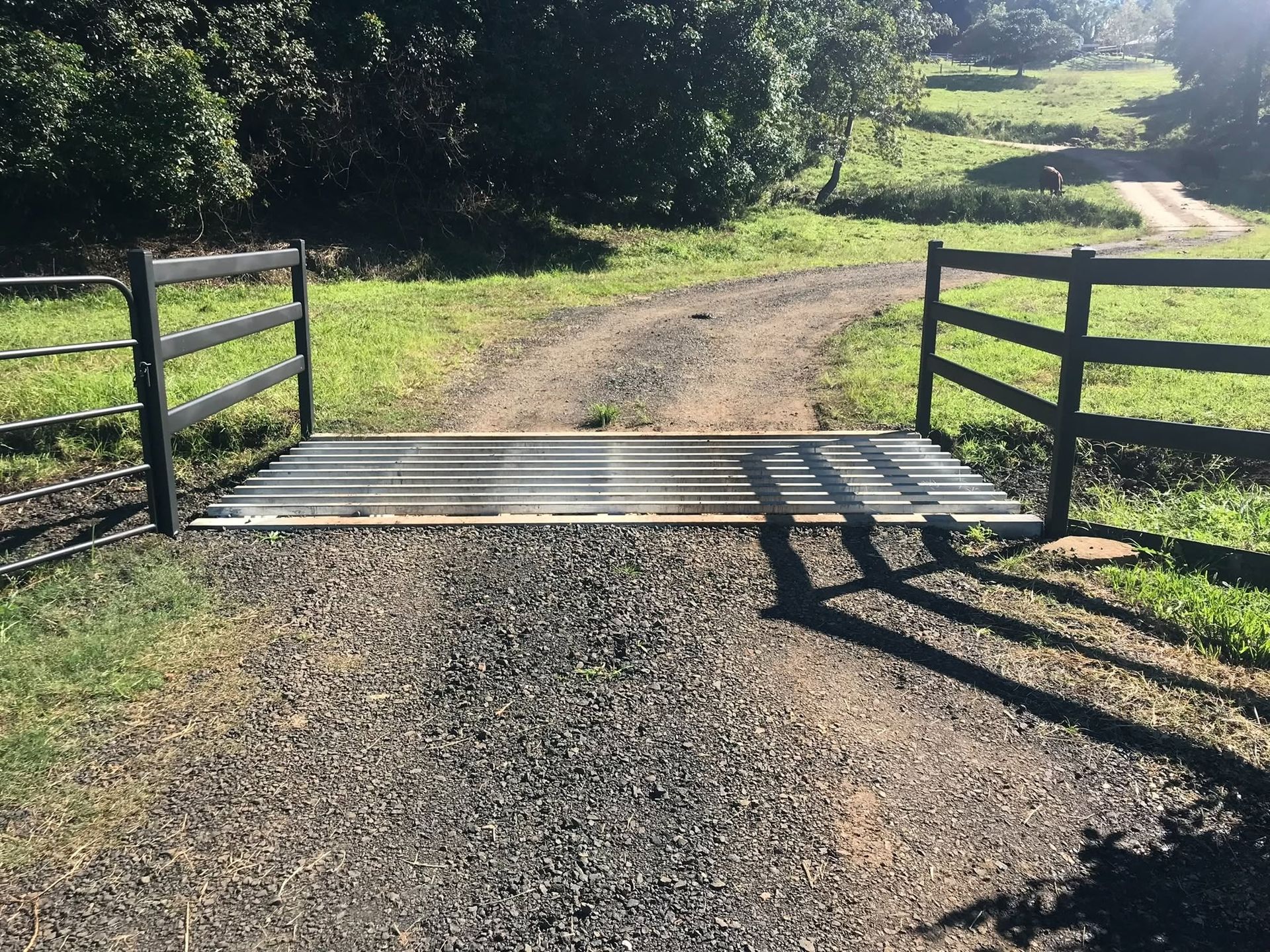
Steel cattle grids have their place, but they carry a structural weakness concrete simply doesn't: corrosion. Painted or coated steel grids are constantly fighting against rural conditions like moisture, exposure and general wear, and once corrosion sets in it tends to progress steadily rather than staying contained. A steel grid that starts rusting is on a trajectory toward eventual replacement, and repainting or patching only delays that outcome rather than reversing it.
Concrete doesn't face this same failure mode. Without a corrosion process working against it, a properly engineered concrete grid's lifespan is governed much more by load, drainage and installation quality than by the kind of gradual material breakdown steel is inherently prone to in an outdoor rural setting. Over a multi-decade ownership period, this is usually the deciding factor for property owners who've already been through a steel grid replacement and are looking for something that won't put them back in the same position.
Why Graham's Precast Concrete Cattle Grids Are Built To Last
With more than 40 years manufacturing cattle grids in NSW and QLD, we've built our approach around exactly the factors that determine long-term lifespan — correct load rating, proper reinforcement, and a genuine structural design standard rather than a generic build. Our grids are engineered under a Structural Design Certificate, which means the design behind every grid has been properly assessed for the loads it's intended to carry, rather than relying on assumption or a one-size-fits-all specification.
For rural property owners, that
engineering standard is really the practical answer to the lifespan question: a grid designed and built correctly from the outset gives you the best chance of it genuinely lasting the decades concrete is capable of, rather than needing early attention because of an underspecified design or a lower manufacturing standard.
Choosing A Grid That Won't Need Replacing In A Decade
If you're comparing suppliers or weighing up concrete against steel for a new cattle grid, the real question isn't just "how long does concrete last" in the abstract. It's whether the specific grid you're buying has been engineered correctly for your actual traffic, and whether it'll be installed with proper drainage and foundation preparation. Get those two things right, on top of a genuine structural design standard, and a concrete cattle grid is one of the few pieces of rural infrastructure you can reasonably expect to install once and not think about again for a very long time.
If you're planning a new cattle grid installation and want a product engineered to a genuine structural standard rather than a generic specification, get in touch with the team at Graham's Precast Concrete Products to talk through the right load rating and design for your property.
Frequently Asked Questions
Do concrete cattle grids need any ongoing maintenance?
Generally very little compared with steel alternatives, since concrete doesn't corrode, though drainage around the grid should be checked periodically to make sure water isn't pooling against the structure.
Can an existing cattle grid be re-rated for heavier traffic?
This depends on the original design and construction, but a grid built for lighter traffic generally isn't suited to a significant increase in load without a proper structural reassessment, which is why specifying the correct load rating upfront matters.
Is a Structural Design Certificate necessary for a cattle grid?
It provides assurance that the grid has been engineered to carry its intended loads correctly, which is a meaningful difference compared with a grid built to a generic or unverified specification.
How does drainage actually affect a concrete grid's lifespan?
Poor drainage allows water to pool around the grid's foundations, and sustained water exposure can accelerate wear on the structure over time, whereas proper drainage helps the grid age as intended.
Why do steel cattle grids need replacing more often than concrete?
Steel is vulnerable to corrosion in outdoor rural conditions, and once rust sets in it tends to progress steadily, eventually compromising the structure, whereas concrete doesn't face the same corrosion-driven failure mode.