Why Concrete Troughs Are Preferred For Livestock Watering

Graham's Precast Concrete Products PTY LTD • March 23, 2026

Reliable access to clean water is one of the most important factors in managing livestock health and productivity. On large rural properties, watering systems need to perform consistently under demanding conditions, from heavy animal use to exposure to heat, weather and ground movement. The choice of trough material plays a major role in how well these systems hold up over time.


For landowners comparing options, concrete troughs in NSW are widely used because they offer durability, stability and long-term performance that other materials often struggle to match. Understanding why they are preferred helps ensure the right investment is made from the outset.

Durability Under Heavy Use

Livestock place constant physical stress on watering points. Cattle in particular lean, push and move around troughs while drinking, which can quickly expose weaknesses in lighter materials.


Concrete troughs are designed to handle this type of use. Their structural strength allows them to withstand repeated impact without bending, cracking or shifting out of place. Unlike plastic or metal alternatives, they are far less likely to deform over time.


This durability is one of the key reasons rural properties continue to rely on concrete troughs in NSW, particularly in high-traffic paddocks where consistent use is expected.

Stability That Prevents Movement

Trough stability is just as important as strength. Lightweight troughs can shift, tip or move when livestock apply pressure, especially in softer ground conditions.


Concrete troughs, by comparison, remain firmly in place due to their weight and design. This stability reduces the risk of spillage, damage to plumbing connections and uneven wear on surrounding ground surfaces.


For large properties where troughs are expected to operate continuously without adjustment, stability becomes a practical advantage rather than just a feature.

Temperature Regulation in Outdoor Conditions

Water temperature can affect livestock drinking behaviour. In hotter climates, water that heats up too quickly may discourage animals from drinking enough, which can impact overall health and productivity.


Concrete has natural insulating properties that help moderate water temperature. It absorbs heat more slowly than materials like metal and does not transfer heat as rapidly into the water.


This helps keep water at a more consistent temperature throughout the day, particularly in exposed paddocks. For properties using concrete troughs in NSW, this can contribute to more reliable livestock hydration during warmer conditions.

Resistance to Environmental Exposure

Rural infrastructure is constantly exposed to the elements. Sun, rain, temperature changes and ground movement all contribute to wear over time.


Materials such as plastic can become brittle with prolonged UV exposure, while metal may corrode or degrade in certain conditions. Concrete troughs are far more resistant to these environmental factors when manufactured correctly.


They are designed to withstand long-term outdoor exposure without significant deterioration. This reduces the need for replacement and ensures the watering system remains functional across changing seasons.

Maintaining Water Quality

The material used for a trough can influence water quality, particularly over extended periods. Some materials may degrade, leach or react with environmental conditions in ways that affect the water stored inside.


Concrete troughs provide a stable, non-reactive structure that helps maintain water integrity. When designed properly, they support consistent water storage without contributing to contamination or deterioration.


For livestock operations, maintaining clean and reliable water sources is essential. Choosing durable materials plays a direct role in supporting this outcome.

Reduced Maintenance Requirements

Ongoing maintenance is a key consideration for large properties where time and labour need to be managed efficiently. Troughs that require frequent repair or adjustment can quickly become a burden.


Concrete troughs are generally low maintenance once installed. Their resistance to damage means fewer repairs, and their stability reduces the likelihood of plumbing issues caused by movement.


While all watering systems require periodic checks, investing in concrete troughs in NSW can significantly reduce the level of ongoing attention needed compared to less robust alternatives.

Long-Term Cost Effectiveness

Initial cost is only one part of the equation when selecting infrastructure for rural properties. Replacement frequency, repair costs and maintenance requirements all contribute to long-term value.


Concrete troughs typically have a longer service life than many alternative materials. This means fewer replacements over time and lower overall costs when considered across the lifespan of the product.


For property owners focused on reliability and efficiency, this long-term perspective is often a deciding factor.

Importance of Quality Manufacturing

Not all concrete troughs are manufactured to the same standard. Design, reinforcement and production quality all influence how well a trough performs over time.


Well-engineered troughs are designed to handle load stress, environmental exposure and consistent use without compromising structural integrity. Poorly manufactured products, on the other hand, may develop cracks or weaknesses prematurely.


This is why it is important to source troughs from a manufacturer that understands rural conditions and produces components built to meet those demands.

Supporting Reliable Watering Systems

A watering system is only as reliable as its weakest component. Troughs play a central role in delivering water to livestock, and any failure can disrupt operations quickly.


Concrete troughs provide a dependable solution that supports consistent water access across a range of conditions. Their strength, stability and resistance to wear make them well suited to large-scale rural use.


For landowners looking to minimise risk and maximise reliability, material choice is a critical part of the decision.

Choosing the Right Trough for Your Property

Selecting the right trough involves more than choosing a size or location. It requires consideration of livestock type, usage patterns and environmental conditions.


Concrete remains one of the most widely trusted materials because it delivers consistent performance across all of these factors. When properly designed and installed, it provides a long-term solution that supports efficient property management.

Looking for Concrete Troughs in NSW?

At Graham’s Precast Concrete Products, we manufacture durable solutions for concrete troughs in NSW, supplying precast products built for strength, stability and long-term use.


We understand the demands of rural properties and produce troughs designed to perform reliably under real conditions.


If you are planning to install new troughs or upgrade existing systems, contact Graham’s Precast Concrete Products to discuss a solution suited to your property and livestock requirements.

Cattle Grids For Sale In NSW
By Graham's Precast Concrete Products PTY LTD August 4, 2026
Discover why cattle grids for sale in NSW offer durability, safety and low maintenance for farms. Explore your options and enquire today.
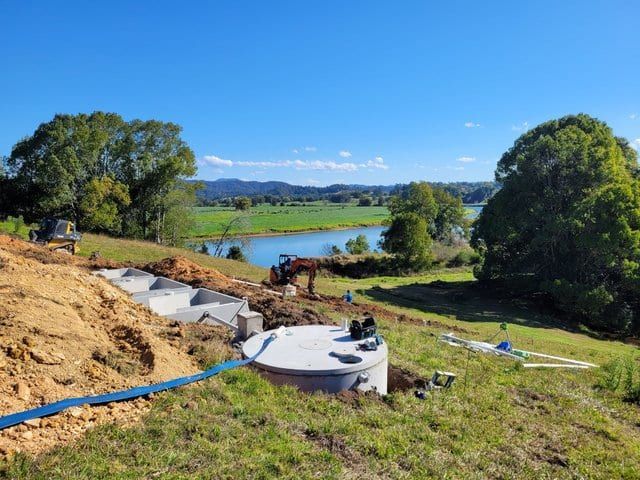
Cattle Grids NSW Rural Road Crossing With Timber Fencing
By Graham's Precast Concrete Products PTY LTD July 9, 2026
Wondering how long a concrete cattle grid lasts? Learn what affects lifespan, how it compares to steel and what to consider when buying in NSW or QLD.
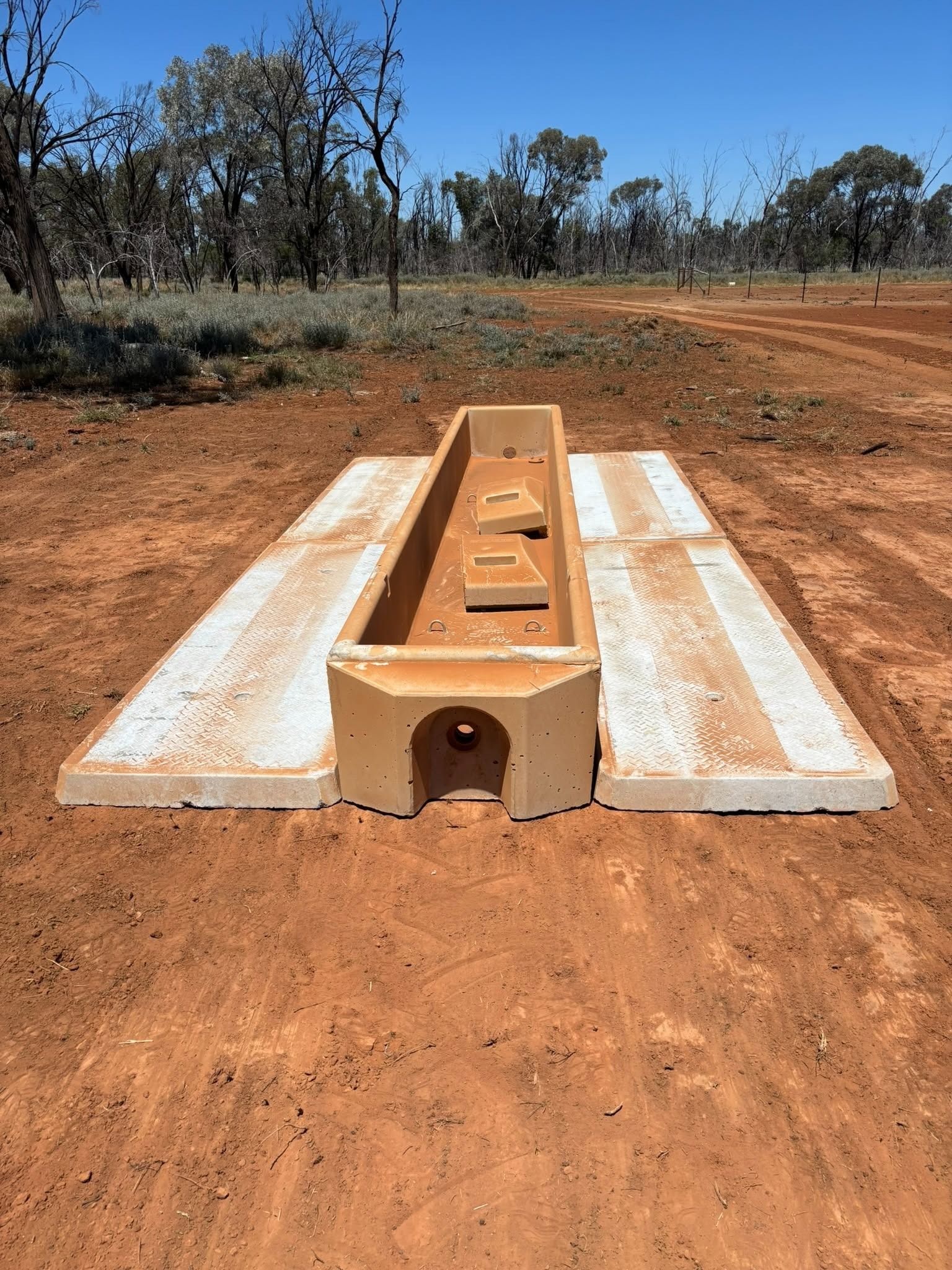
Orange Water Trough in NSW
By Graham’s Precast Concrete Products Pty Ltd June 7, 2026
Compare round and long concrete water troughs in NSW or QLD to find the right farm layout for your needs. Learn the key benefits and contact us today.
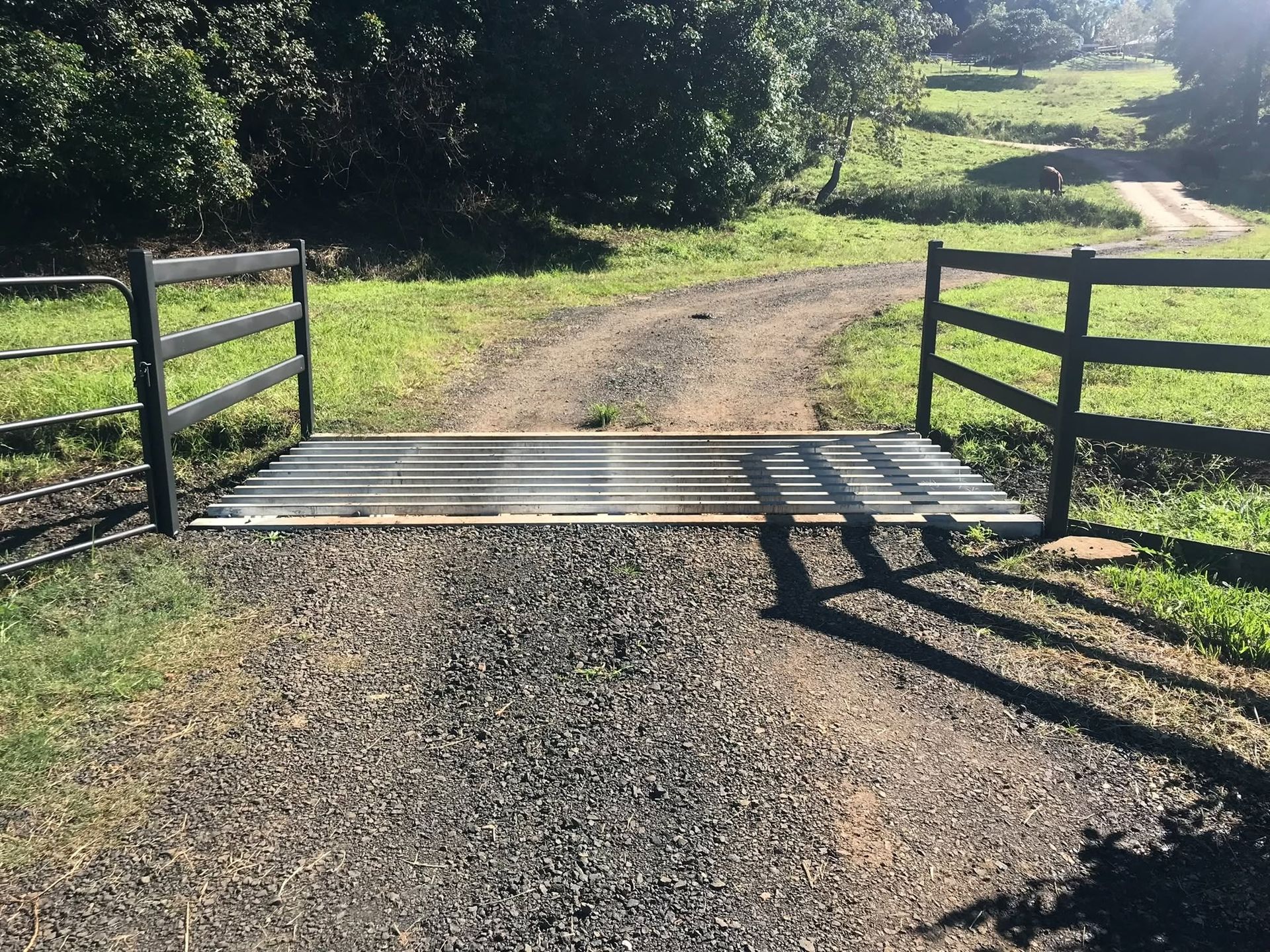
Silver Cattle Grid in NSW and QLD
By Graham’s Precast Concrete Products Pty Ltd May 31, 2026
Improve farm infrastructure with concrete cattle grids in NSW & QLD. Learn how better planning can improve property flow and access. Contact us today.
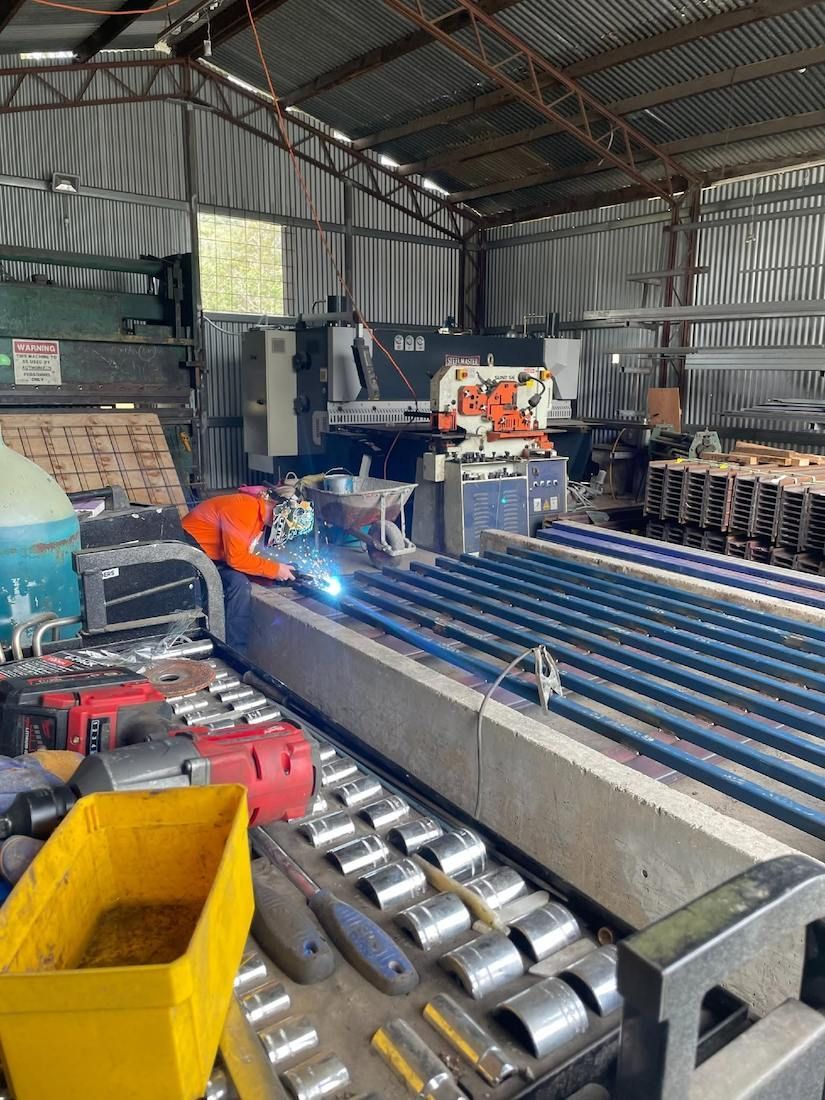
Worker Welding Metal Framework For Concrete Water Troughs In QLD
By Graham's Precast Concrete Products PTY LTD May 19, 2026
Learn how cattle grid size affects livestock control and farm access. Explore concrete water troughs in QLD and make informed choices today.
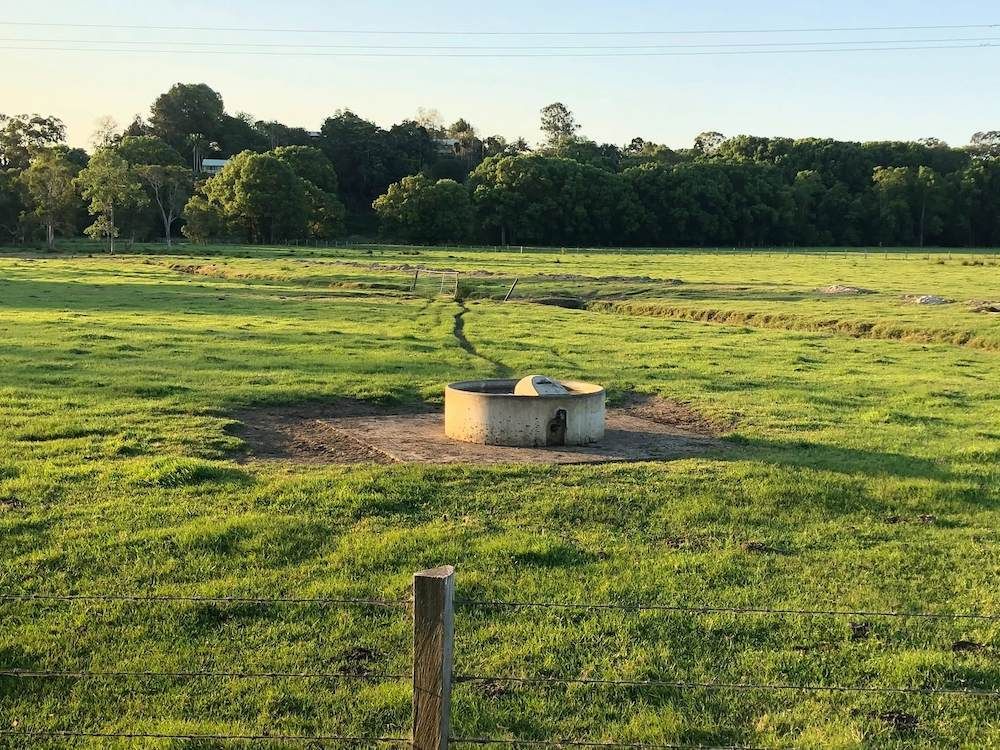
Concrete Water Troughs In NSW Installed On Rural Pasture
By Graham's Precast Concrete Products PTY LTD May 12, 2026
Explore how concrete water troughs in NSW support livestock hydration, cleaner water and herd health. Learn what makes a better trough today.
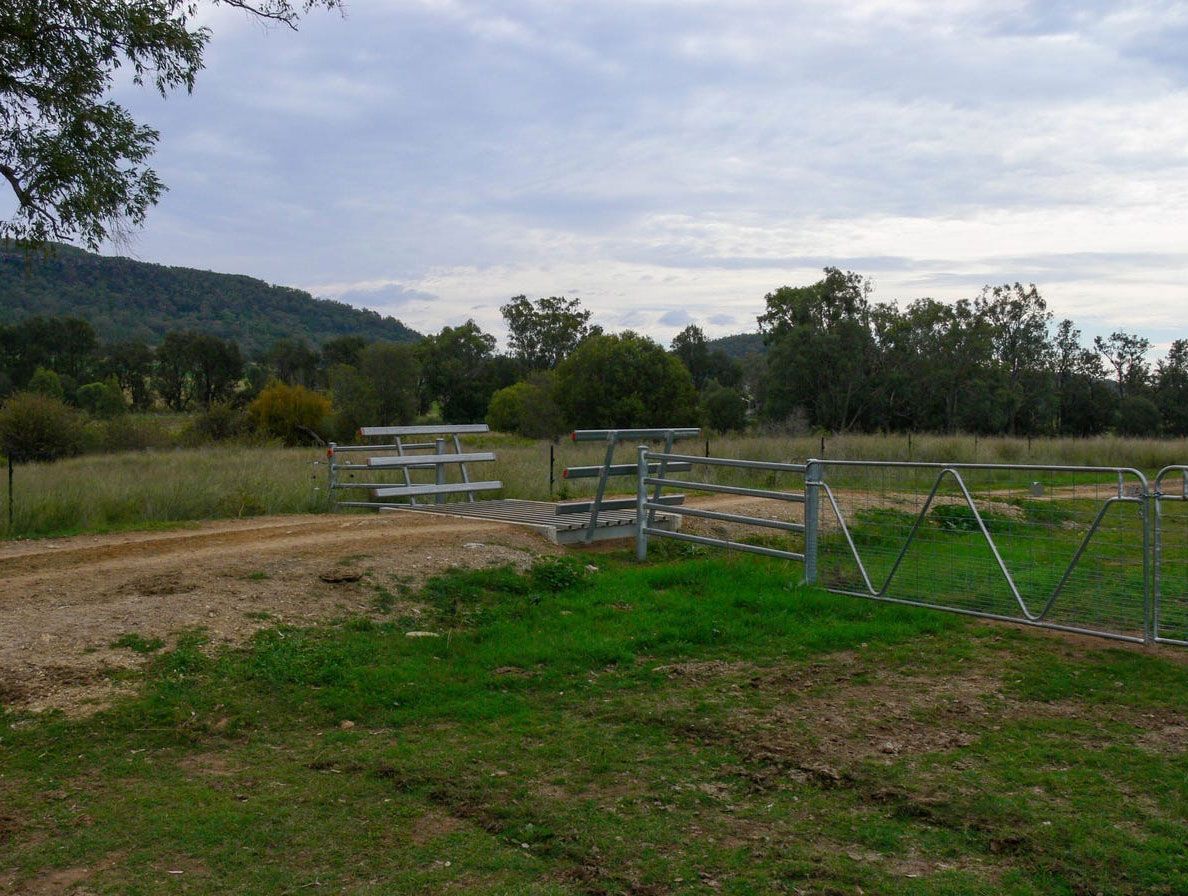
Newly Installed Cattle Grids In QLD
By Graham’s Precast Concrete Products Pty Ltd May 12, 2026
Explore the average costs of cattle grids for sale in QLD in 2026 and learn what affects pricing. Get expert advice today. Contact us to learn more.
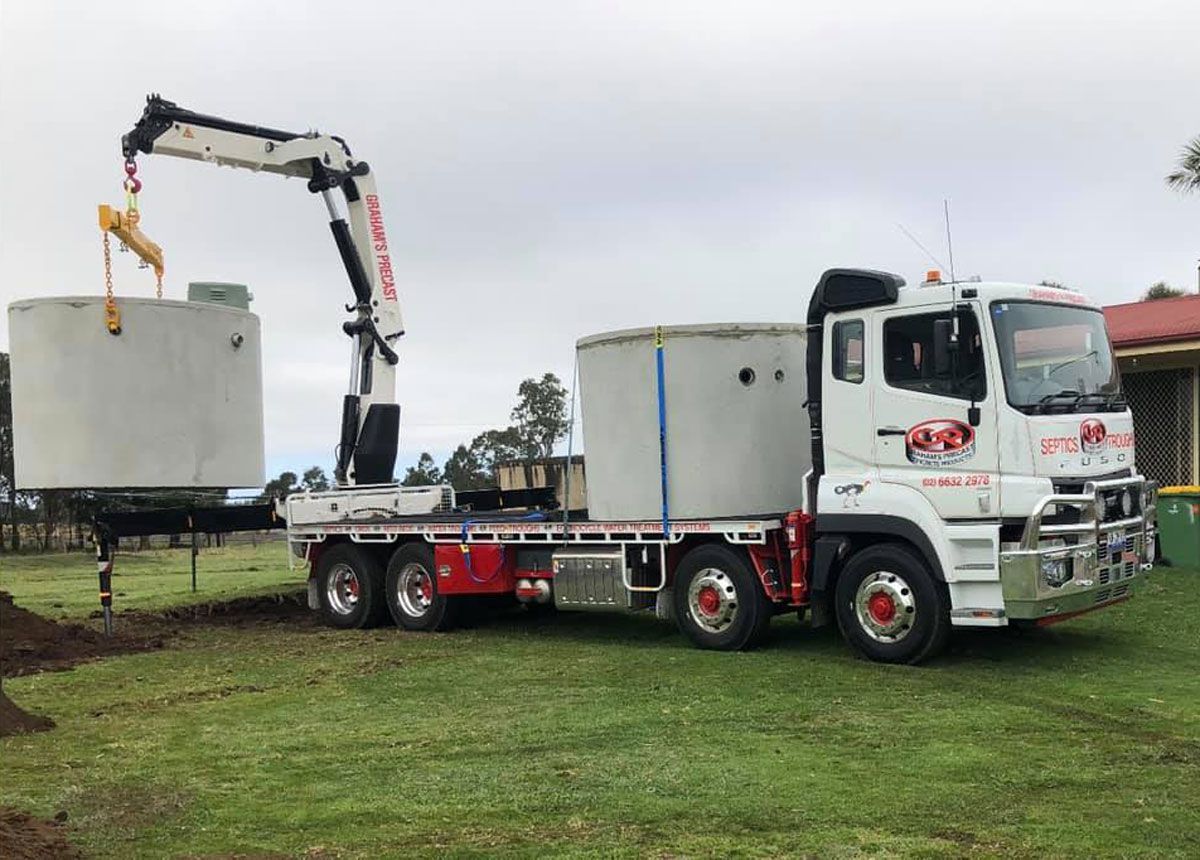
Delivering Concrete Septic Tanks
By Graham’s Precast Concrete Products Pty Ltd May 5, 2026
Learn how soil and ground conditions affect septic systems in Lismore and why proper design matters. Read our blog or call us to learn more.
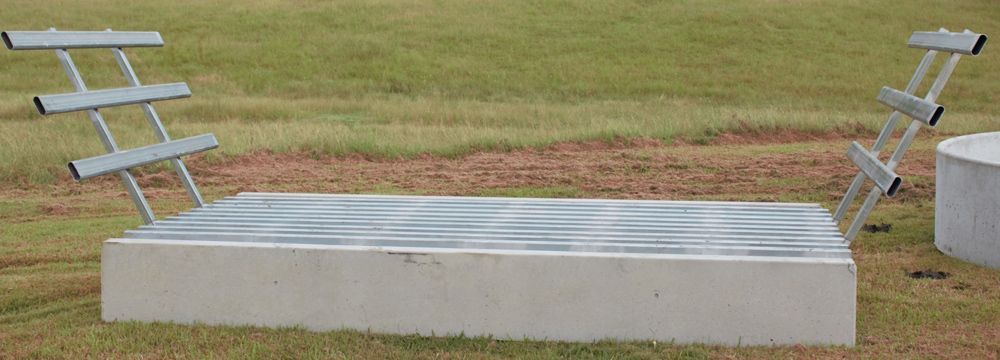
Quality Concrete Grid In QLD And NSW
By Graham’s Precast Concrete Products Pty Ltd February 24, 2026
Learn essential tips for effective cattle grid maintenance to keep your grids safe and functional. Read our expert guide now.

Concrete Water Troughs In QLD
By Graham's Precast Concrete Products PTY LTD February 3, 2026
Discover how concrete water troughs QLD support clean water, livestock hydration and animal health. Explore the benefits and enquire today.
Show More