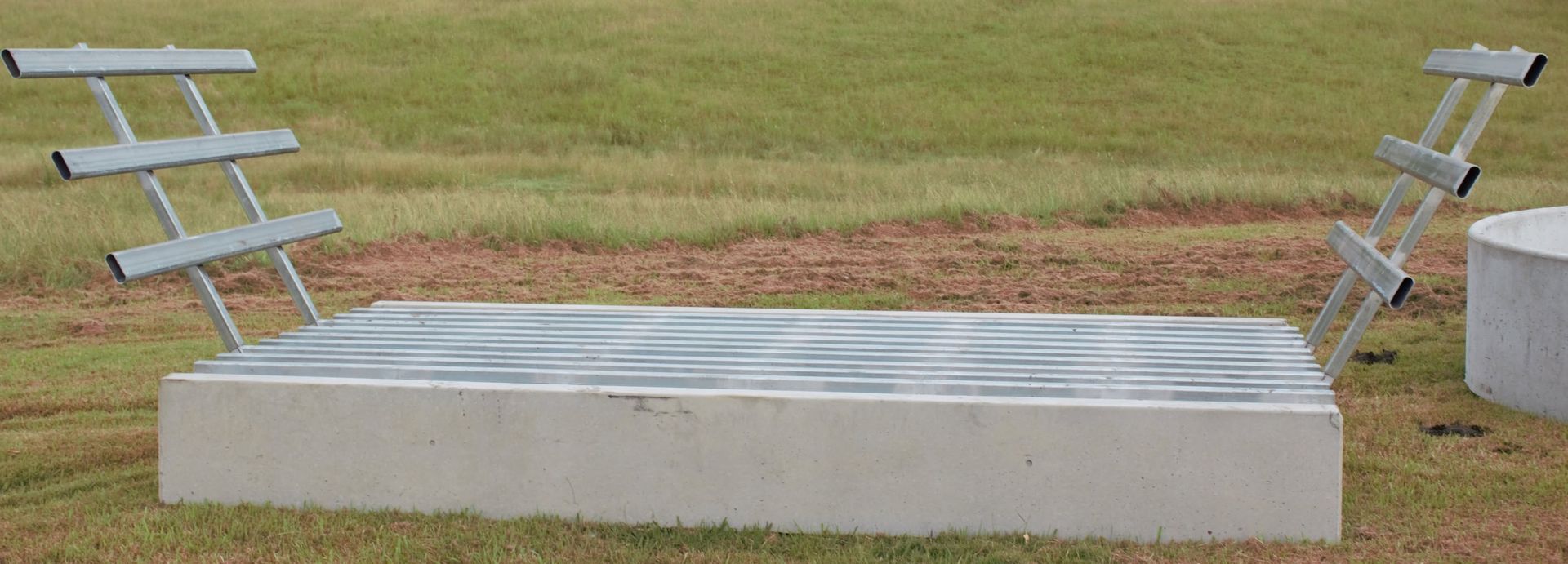
Why The Size Of Your Cattle Grid Matters More Than You
A cattle grid is not a one-size-fits-all product.
The wrong dimensions can create constant problems on rural properties. Livestock may cross when they should not. Heavy vehicles can place stress on the structure. Entry points can become unsafe or difficult to use during wet conditions.
For landholders across QLD and NSW, choosing the correct cattle grid size is one of the most important parts of planning rural access.
The challenge becomes even greater on mixed livestock properties. Sheep, cattle and horses all behave differently around grids. What stops cattle may not stop sheep. What works for a narrow farm track may fail on a wide machinery entrance.
That is why grid length, bar spacing, depth and traffic conditions all matter.
Why Smaller Grids Often Fail With Sheep
One of the most common issues seen on rural properties is sheep crossing grids designed for cattle.
Many standard grids work well for larger livestock because cattle are cautious about unstable footing and wider gaps. Sheep are different. They are lighter, more agile and more willing to test crossings.
If the grid is too short or shallow, sheep may simply jump across or step through confidently.
This usually happens when:
- The grid length is too short
- The pit depth is insufficient
- Bar spacing is too narrow
- The grid sits too close to fencing or gateways
- Livestock pressure increases during feeding or movement periods
Once sheep learn they can cross safely, the problem often continues.
Correct sizing reduces that risk from the start.
Understanding Grid Length
Grid length plays a major role in livestock control.
A longer grid creates greater visual hesitation for animals. It also increases the difficulty of crossing without committing weight onto the bars.
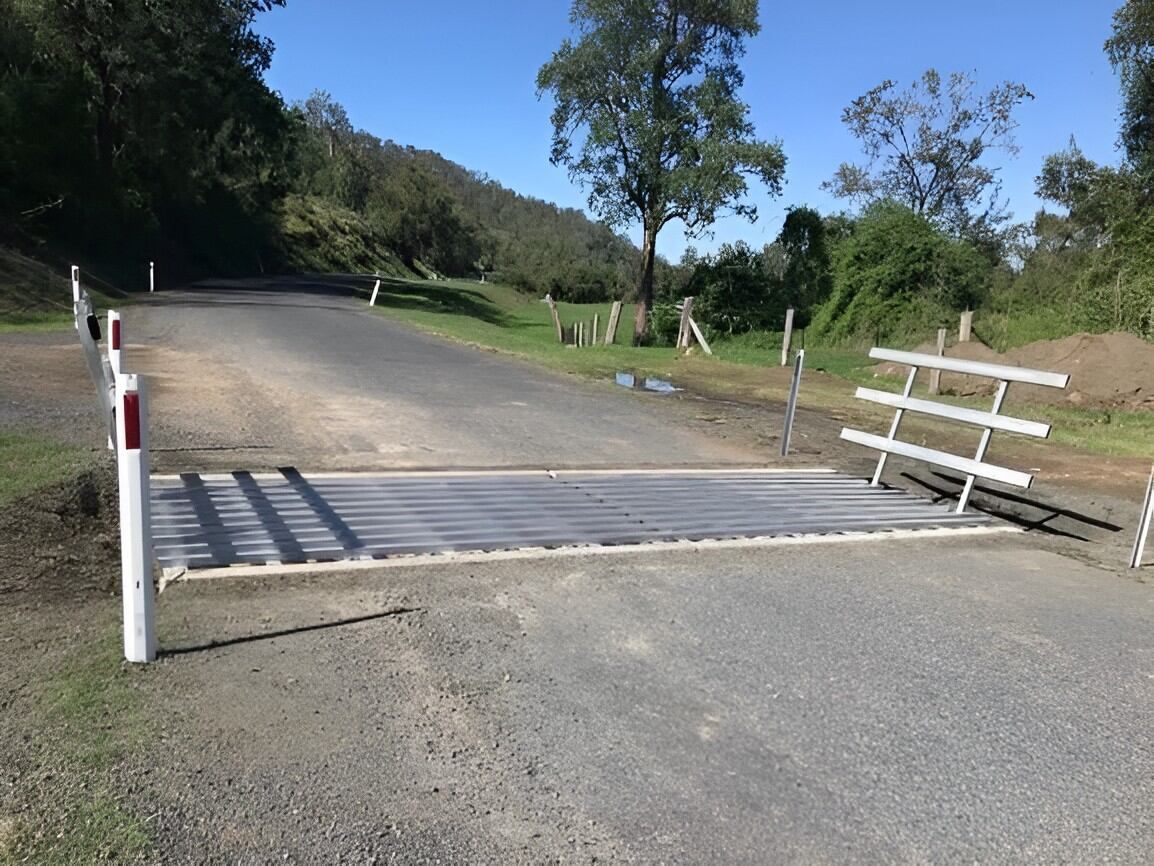
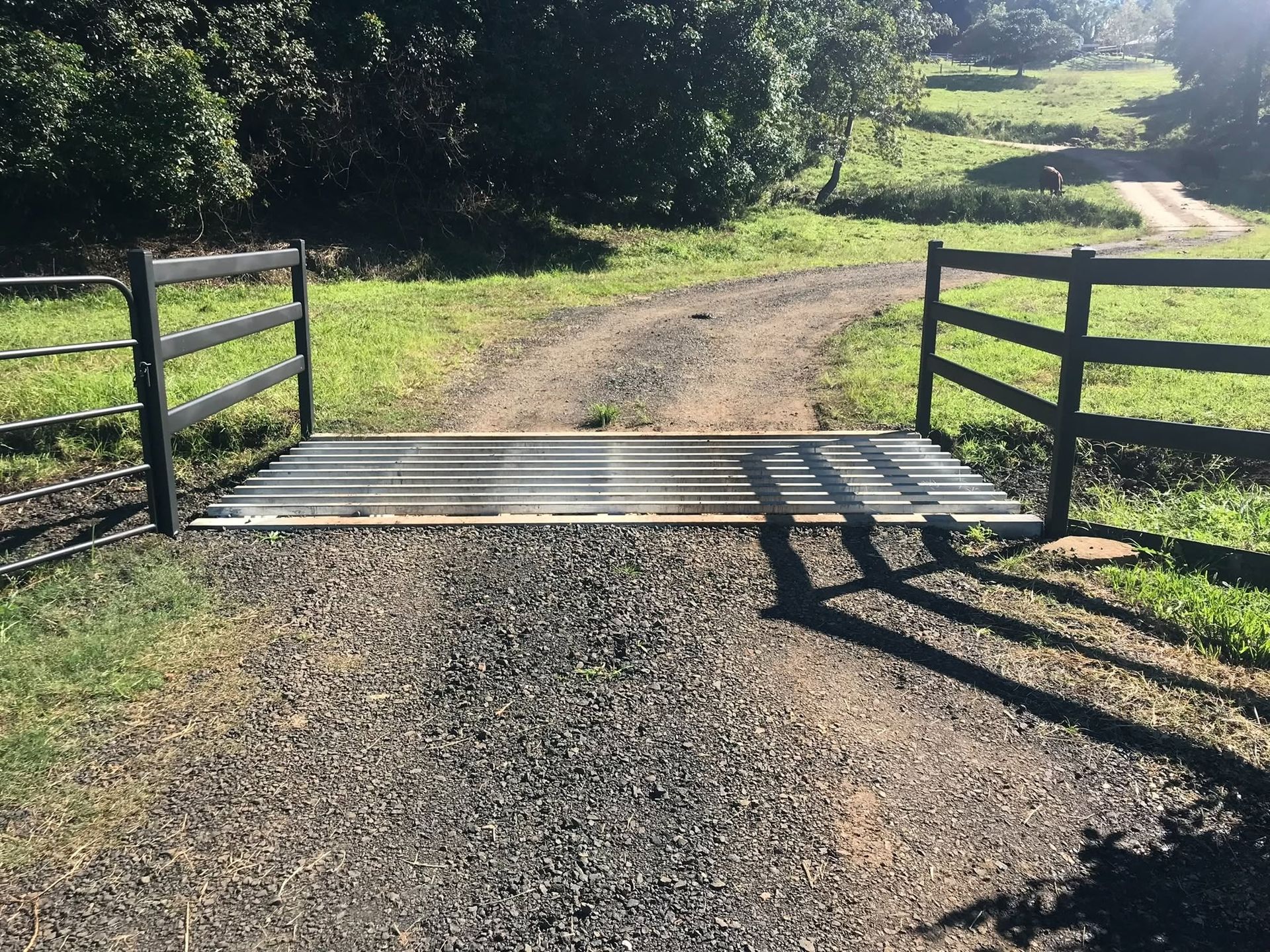
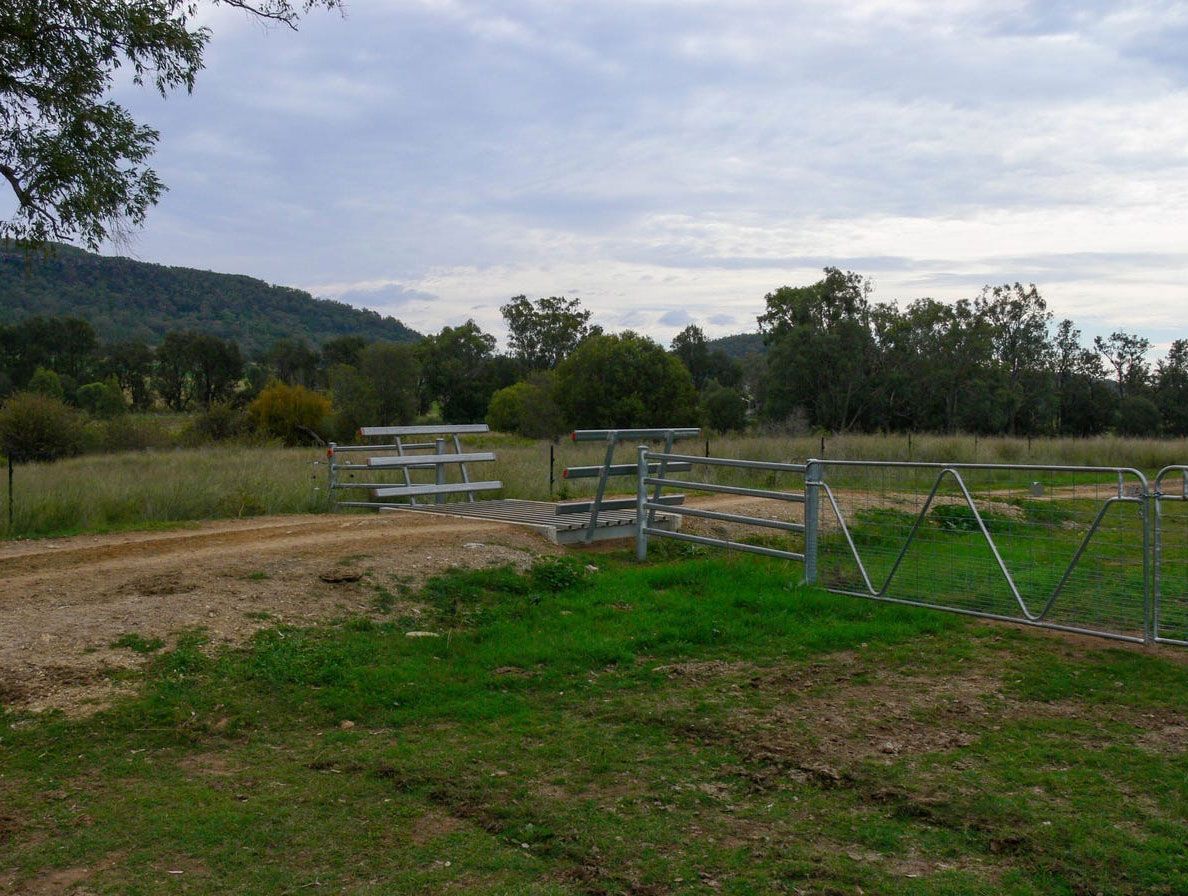
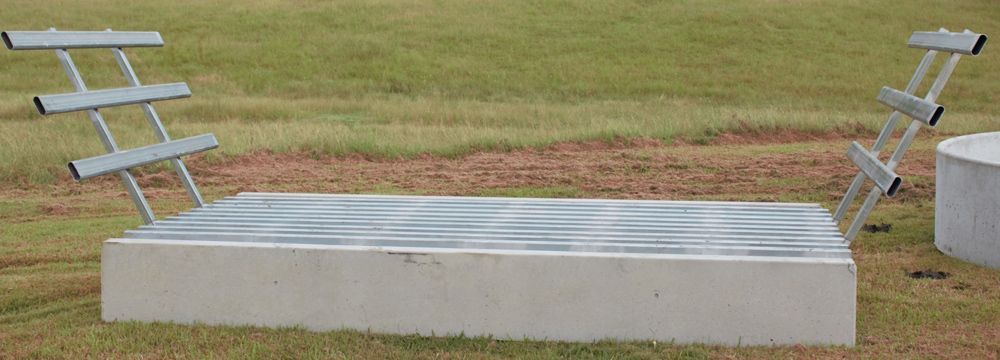
For many rural properties, the choice usually comes down to a 3 metre or 4 metre cattle grid.
When a 3 Metre Grid Works
A 3 metre cattle grid is commonly used for:
- Standard cattle properties
- Light vehicle access
- Narrow driveways
- Lower traffic entry points
- Internal paddock divisions
These grids can perform well where cattle are the primary livestock and vehicle movements remain moderate.
They are also suitable where:
- Space is limited
- Entry points are narrow
- Heavy articulated vehicles are uncommon
However, a 3 metre grid may not provide enough deterrence for sheep on some properties.
When a 4 Metre Grid Is the Better Option
A 4 metre cattle grid offers greater protection against livestock crossings, particularly for sheep and mixed grazing operations.
The extra length increases hesitation and makes crossing more difficult for lighter animals.
A larger grid is often recommended for:
- Sheep properties
- Mixed livestock operations
- Wide rural entrances
- Frequent truck access
- Machinery traffic
- High-use property entrances
Longer grids also improve vehicle approach angles. This helps reduce impact loading from heavy traffic over time.
For many large rural properties in QLD and NSW, a 4 metre option provides better long-term reliability.
Bar Spacing Changes Livestock Behaviour
Bar spacing directly affects how animals respond to a cattle grid.
If gaps are too narrow, some livestock may feel confident enough to cross. If gaps are too wide, hoof safety can become a concern for certain animals.
Correct spacing depends on the livestock type.
Cattle
Cattle generally avoid unstable footing and visible gaps.
Standard spacing often works well because cattle place significant weight onto the grid and hesitate naturally.
Sheep
Sheep require more careful design consideration.
Narrow spacing may allow confident footing. Wider spacing creates more uncertainty and discourages crossing attempts.
This is especially important for properties running large mobs or rotational grazing systems.
Horses
Horses introduce different risks.
They are more sensitive to footing and can react unpredictably around poorly designed grids. Grid dimensions and spacing must prioritise safety while still controlling movement.
This is why experienced precast manufacturers assess livestock type before recommending dimensions.
Depth Matters More Than Many People Realise
Pit depth is often overlooked during planning.
Yet depth plays a major role in whether livestock perceive the crossing as unsafe.
A shallow pit reduces visual deterrence. Animals may become more willing to test the grid over time.
Adequate depth helps create:
- Stronger visual contrast
- Greater hesitation from livestock
- Better long-term control performance
- Improved drainage beneath the structure
Depth also supports structural integrity by allowing proper installation and water flow management.
On rural properties exposed to heavy rain, drainage becomes especially important. Poor water movement beneath a grid can weaken surrounding ground conditions and increase maintenance issues.
Traffic Conditions Should Shape Your Decision
Livestock control is only part of the equation.
Traffic type and entry frequency also influence the correct grid size.
Many rural entrances now handle far more than utes and small farm vehicles.
Properties regularly accommodate:
- Livestock trucks
- Feed deliveries
- Water tankers
- Harvest equipment
- Tractors and attachments
- Heavy machinery
A grid that is undersized for traffic conditions can wear faster and create unnecessary stress on surrounding concrete and foundations.
Wider entrances may also require larger configurations to maintain safe vehicle alignment.
This is why grid sizing should always consider both livestock and transport requirements together.
Property Layout Influences Grid Performance
Site conditions can significantly affect how well a cattle grid works.
Factors that influence sizing include:
Driveway Width
Wider access roads often require larger grids for safe vehicle movement.
Fence Placement
Livestock may attempt to bypass grids if fencing creates tight approach angles or visual guidance around the structure.
Entry Frequency
High-traffic entrances place greater structural demand on the grid over time.
Ground Conditions
Soft or poorly drained areas may require stronger support planning during installation.
Livestock Pressure
Large mob movement increases testing behaviour around entry points.
These factors should always be assessed before ordering.
Concrete Cattle Grids Built for Rural Conditions
Precast concrete cattle grids remain a practical option for many rural properties because they offer:
- Long-term durability
- High load capacity
- Reduced maintenance
- Consistent structural performance
- Reliable operation in harsh conditions
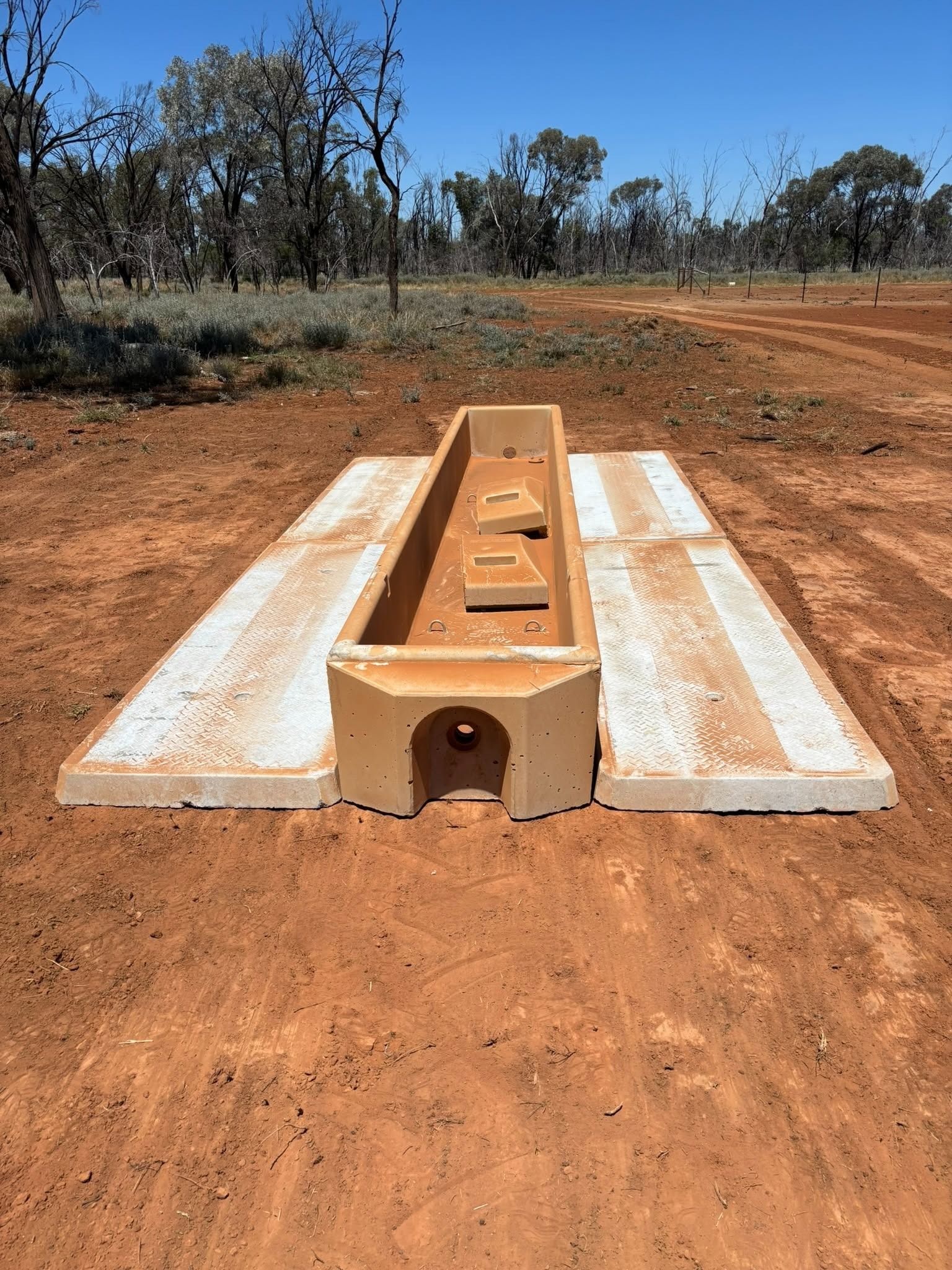
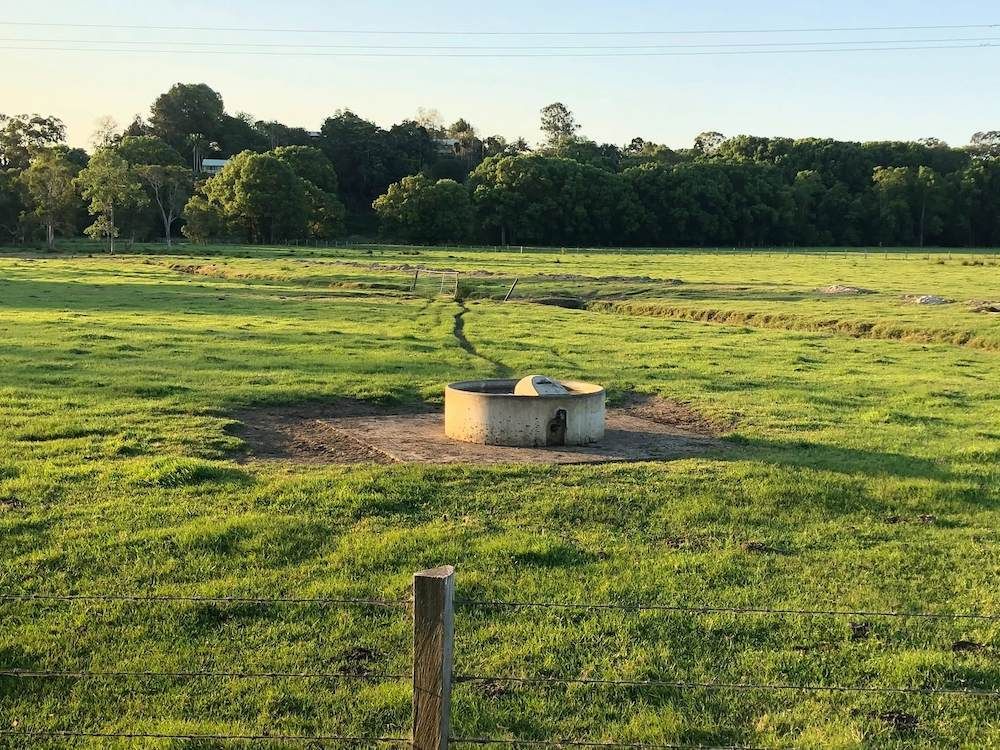
For rural properties already using concrete water troughs in QLD, matching durable concrete infrastructure across access points and livestock systems often improves long-term property management.
Well-manufactured precast products are designed to handle demanding agricultural environments without constant upkeep.
That matters on large properties where reliability is critical.
Avoid Guessing Before You Order
Incorrect sizing creates expensive problems later.
Replacing or modifying a cattle grid after installation can involve:
- Additional excavation
- Traffic disruption
- Livestock management complications
- Increased labour costs
- Structural adjustments
A better approach is to assess property conditions properly before manufacturing begins.
That includes reviewing:
- Livestock type
- Traffic volume
- Vehicle size
- Driveway dimensions
- Ground conditions
- Entry frequency
The right design from the start usually delivers better long-term performance.
Speak With Graham’s Precast Before Choosing Your Grid
Every rural property operates differently.
A cattle grid that works on one property may not suit another. Sheep behaviour, cattle movement, traffic conditions and driveway layout all affect the ideal dimensions.
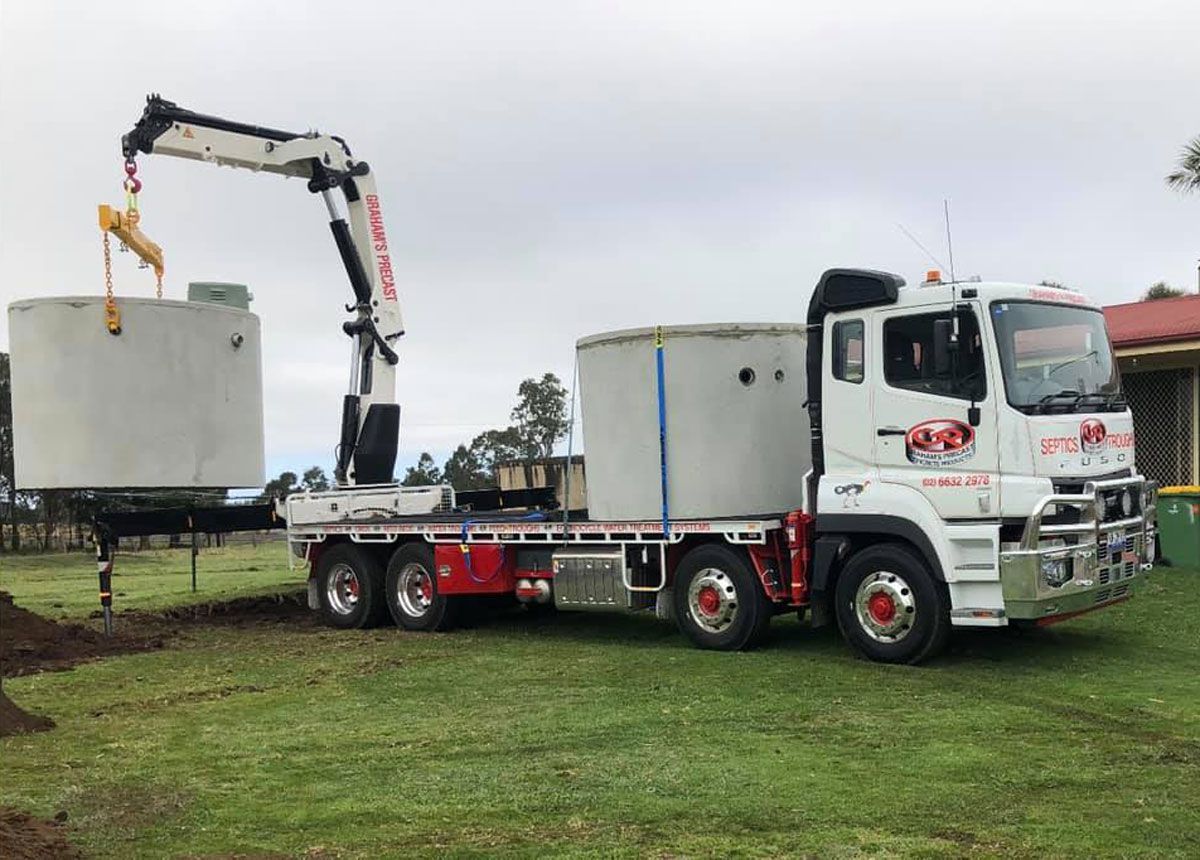
Graham’s Precast manufactures durable precast concrete products for rural properties across QLD and NSW including cattle grids and concrete water troughs in QLD designed for demanding agricultural conditions.
Before ordering, speak with the team about your property setup, livestock type and traffic requirements. Proper planning helps avoid costly sizing mistakes later.