How Does A Concrete Septic Tank Work?

Grahams Precast Concrete Products • January 12, 2022

While concrete septic tanks may be less common in cities or built-up areas, the use of these vital wastewater treatment systems is a must for rural or less-connected parts of Australia

.

Concrete septic tanks provide an effective way to handle waste where a centralised sewer system doesn’t exist. As a long-lasting and practical choice of material, concrete septic tanks can provide a solution for wastewater that lasts many years following installation.


If you’d like to upgrade to a new septic system or you’re curious about how a concrete septic tank works, we’ve covered all you need to know below:


Keep reading or give us a call on 02 6632 2978 for further information!


How Does A Concrete Septic Tank Work?

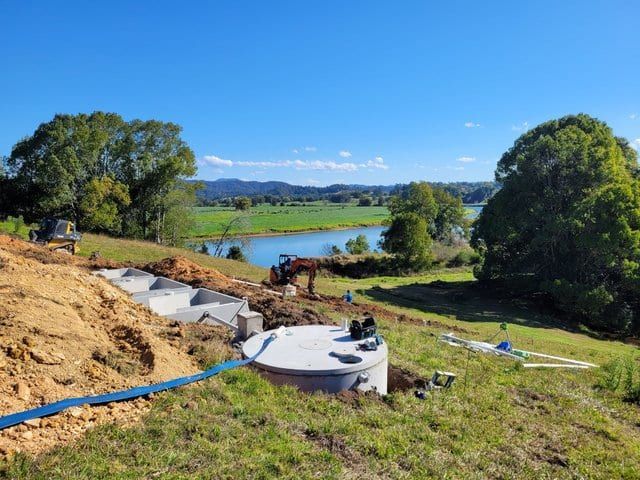
Much like any other septic tank, a concrete septic tank works by taking waste and sewage from the home and effectively disposing of it safely away from your property. If you’ve lived in rural properties before, you have likely used a septic system if no centralised sewage is available. The ultimate objective of a septic tank is to allow for the disposal of waste without it reaching and contaminating the groundwater underground.


Effectively, a concrete septic tank acts as a miniature version of a full-scale sewage system. Instead of pumping waste into a regulated network of pipes, waste goes into a wastewater treatment tank. Once the water has been treated and made safe, it outflows into a drain field to absorb over time naturally.


A concrete septic tank generally follows this process:

  1. Wastewater from your bathrooms and kitchen diverts into a single main drainage pipe below your home, which leads directly into the septic tank.
  2. The septic tank processes any wastewater that enters the system, allowing sludge to settle at the bottom and oil and grease scum to rise to the top.
  3. Any treated wastewater drains from the septic tank into a secondary porous system, known as a drain field.
  4. The drain field leaches the treated water safely into the soil, eventually leading to the groundwater below without any of the risks of untreated sewage.

Where Does Septic Waste Go?

The purpose of a concrete septic tank is to store septic waste, digest organics and separate out oils and grease. Following processing, the scum and sludge remain in the top and bottom of the tank. The now-treated wastewater leaves the septic tank via an outlet pipe absorbed safely into the soil and ground.


While the water drains out of the tank over time, solid mater and floating materials remain. Usually, the removal of scum and sludge from the tank happens as part of regular maintenance. When cleaning occurs, a professional uses pumps to empty the septic tank and ensure any waste from the treatment process isn’t left behind – leaving your septic system in perfect condition to continue its work.


Please don’t hesitate to reach out to us for any concerns you may have.

How Often Does A Septic Tank Need To Be Pumped?

The time between pumping or emptying a concrete septic tank will vary depending on a few factors. Firstly, the usage of your concrete septic tank will make a difference in terms of how long between cleans. A single-person household may produce far less wastewater than a five-person household, for example.


Secondly, the size of your septic tank may play a role in how often you need to pump. A larger septic tank may be able to go more time between cleaning. By contrast, a smaller or older septic tank may require increased pumping frequency to keep everything running as it should be.


As a general rule, it’s a good idea to empty and pump your concrete septic tank once every three to five years. However, specific concrete septic tank manufacturers may have specifications for each model of tank they offer. It’s important to check the recommended maintenance for your particular model to ensure full functionality without the risk of overflow or poor operation.


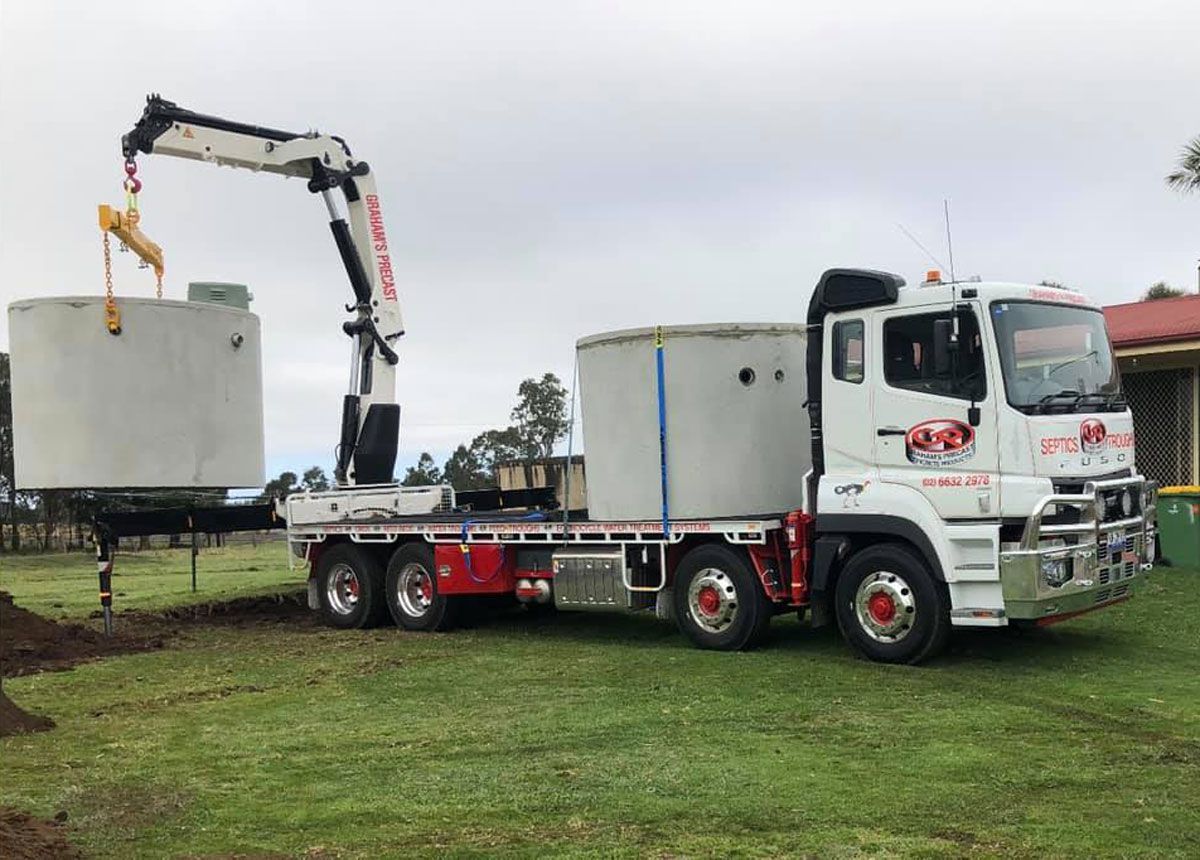
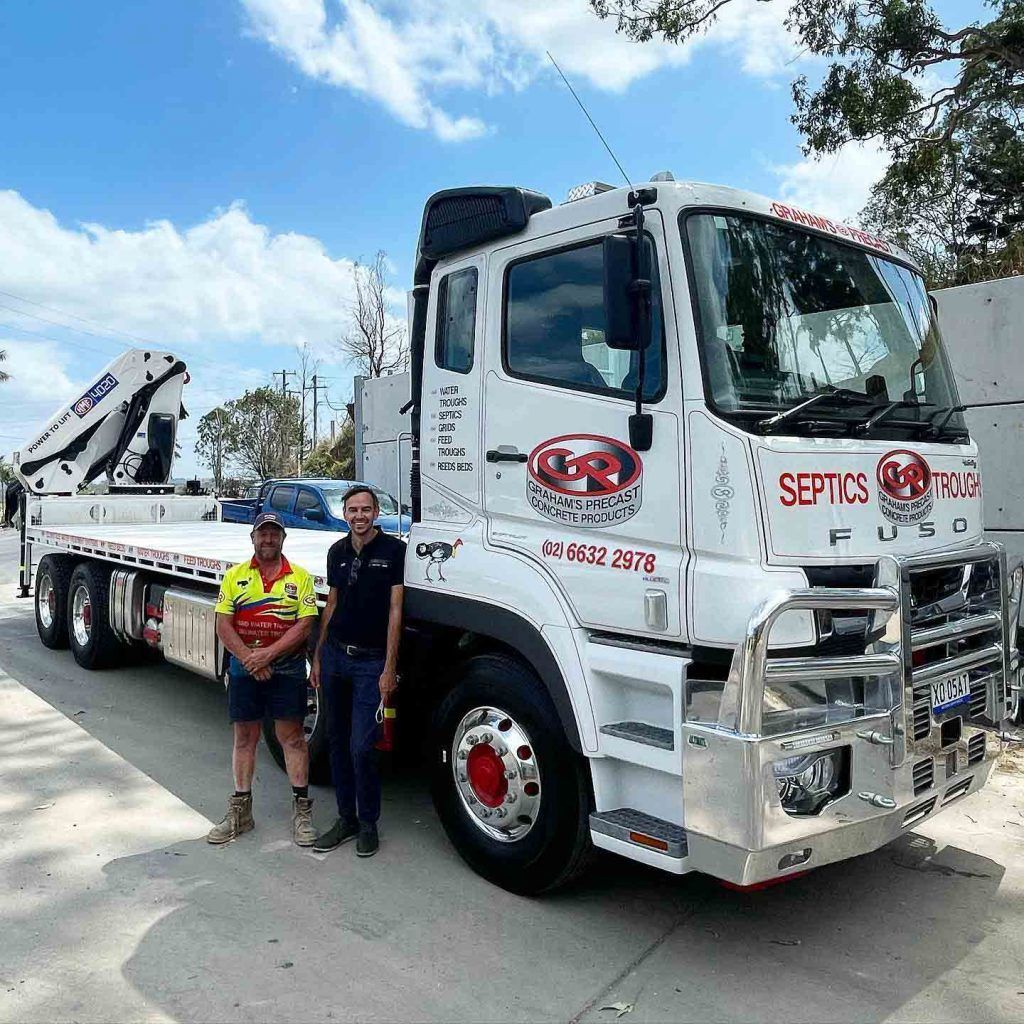
Two Men Are Standing in Front of a Large White Truck — Graham's Precast Concrete Products Pty Ltd in Kyogle, NSW

When Do You Need To Empty Septic Tanks?

As part of their design, concrete septic tanks need ongoing maintenance and scheduled emptying. When you have a new system installed, it’s a good idea to mark down when your system needs emptying next. Failure to empty a septic tank can lead to a whole host of problems, from nasty smells to costly repairs.


Ideally, you don’t want to wait for the signs of a full tank before you consider hiring a professional to clean and empty your system. Having a reliable schedule for emptying your septic tank can prevent issues from arising and ensure your tank is fully operational year-round. The last thing you want is a full septic tank that isn’t working during a period of bad weather or a time where services may not be available to you immediately.

What Are The Signs A Septic Tank Is Full?

Perhaps you’ve moved into a property and inherited a septic system. Or maybe you’ve never considered the need to maintain your septic tank in the first place.

Whatever the reason, here are some of the signs that a septic tank is full:

  • Pools of Water Around Septic Tank

    Pooling water is a strong sign that your septic tank isn’t doing its job. If you see a lot of water around the drain field for your tank, this can suggest a full capacity.

  • Slow Draining

    If your sinks and tubs are draining far more slowly than usual, this could be due to a full system or a clog. If drain cleaner doesn’t fix the problem, you may need to clean out your septic tank sooner rather than later.

  • Strong Sewage Smells

    A strong scent of sewage from wastewater is one of the less-palatable signs of a septic tank problem. If your tank is full, there may be an overflow of untreated water in and around the septic tank area.

  • Healthier Lawn Over Septic Tank

    Beautiful grass may seem like a good thing, but a suddenly verdant lawn can be a clear sign of a struggling septic tank.


    If you notice one spot of your lawn is looking particularly healthy, this could mean an abundance of wastewater from an overflowing tank.

If you notice any of the above signs or have any concerns regarding your septic system, please give us a call on 02 6632 2978 or enquire online!

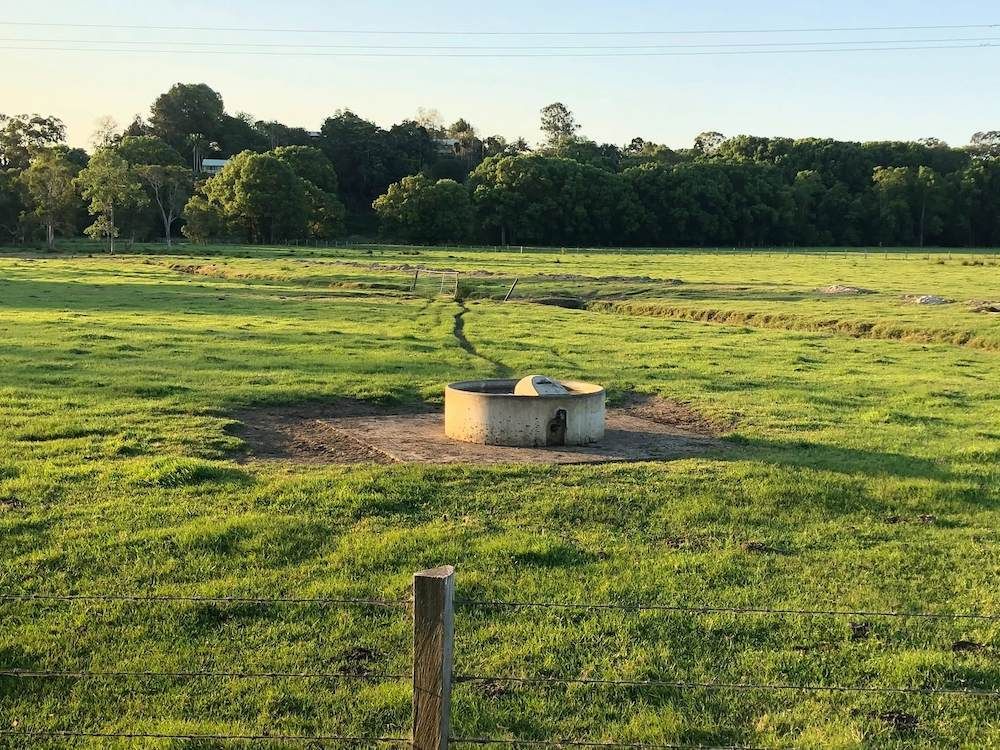
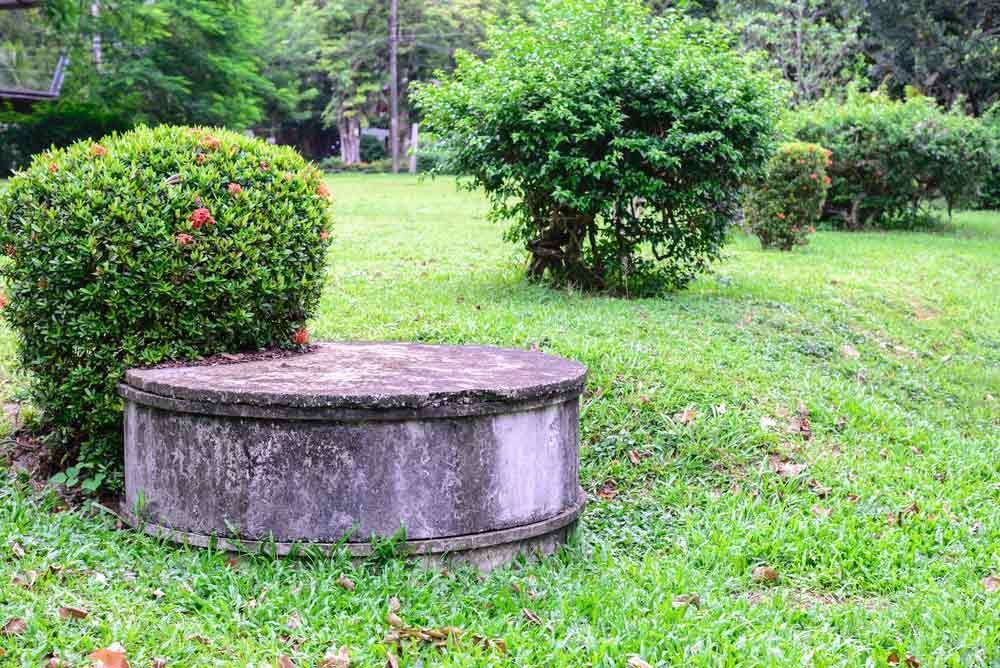
A Concrete Well In The Middle Of A Lush Green Field — Graham's Precast Concrete Products Pty Ltd in Kyogle, NSW

Contact Us

Are you considering upgrading your septic tank or getting a concrete septic tank installed?


Graham’s Precast Concrete Products Pty Ltd is the ideal solution for high-quality concrete septic tanks in Queensland and New South Wales. Get in touch today to find out more.


Enquire online or give us a call on 02 6632 2978 to get a quote!

Quality Concrete Grid In QLD And NSW
By Graham’s Precast Concrete Products Pty Ltd February 24, 2026
Learn essential tips for effective cattle grid maintenance to keep your grids safe and functional. Read our expert guide now.
Doable Concrete Septic Systems In QLD And NSW
By Graham’s Precast Concrete Products Pty Ltd October 27, 2025
Discover why concrete septic systems are ideal for high water table areas. Learn their benefits and choose the right system today.
A Trusted Precast Concrete Supplier
By Graham’s Precast Concrete Products Pty Ltd October 27, 2025
Choose a trusted concrete supplier in NSW to ensure quality, compliance and on-time delivery. Learn why reliability matters. Contact us today.
A Quality Concrete Cattle Grids
By Graham’s Precast Concrete Products Pty Ltd September 23, 2025
Boost farm efficiency and sustainability with cattle grids for sale in QLD. Improve access, reduce erosion and enquire today.
A Durable Concrete Water Troughs In QLD
By Graham’s Precast Concrete Products Pty Ltd September 23, 2025
Position concrete water troughs in QLD for maximum efficiency and water savings. Improve livestock access and performance. Learn more today.
A Concrete Water Troughs In QLD And NSW
By Graham’s Precast Concrete Products Pty Ltd September 6, 2025
Discover what causes cracks and how to prevent damage in concrete water troughs in NSW and QLD. Learn how to extend their service life. Read more.
Concrete Cattle Grids In NSW
By Graham’s Precast Concrete Products Pty Ltd April 16, 2025
Discover how concrete cattle grids in NSW improve livestock control, reduce labour and boost farm efficiency. Learn more today.
A Long Concrete Beam is Sitting in the Middle of a Dirt Field — Graham's Precast Concrete Products Pty Ltd in Kyogle, NSW
September 16, 2024
Learn the essential uses of feeding troughs for livestock, from controlling feed intake to improving hygiene. Read more!
A Metal Fence is Sitting on the Side of a Road — Graham's Precast Concrete Products Pty Ltd in Kyogle, NSW
By Graham’s Precast Concrete Products Pty Ltd September 11, 2024
Discover essential facts about cattle grids, their benefits, and installation tips. Learn how they improve livestock management. Read more now.
A Brown Horse Standing Next to a Concrete Ring in a Field — Graham's Precast Concrete Products Pty Ltd in Kyogle, NSW
By Graham’s Precast Concrete Products Pty Ltd July 10, 2024
Discover the dos and don’ts of using concrete troughs for farm hydration. Learn proper etiquette to ensure long-lasting water systems.
Show More