

How To Stop Algae Growth in Water Troughs

Grahams Precast Concrete Products • April 12, 2021

Five top tips to stop algae growth in water troughs

Algae growth in a water trough doesn’t just give the water an unpleasant taste, if cattle ingest the algae they may become seriously ill, or even die. To keep your animals in top condition, it’s vital to ensure that troughs remain clean and algae-free. Detailed below are our five top tips for ensuring your troughs stay in top condition, all-year-round.

Regularly clean the trough

Ideally, troughs need to be cleaned regularly (at least every two weeks)in order to minimise the risk of algae build-up. If possible, empty the tank, then scrub it thoroughly with a scrubbing brush, using a weak bleach solution and rinsing thoroughly. The tank should then be refilled with fresh water.


If a tank hasn’t been used for more than week or two, the water needs to be drained, the tank cleaned, and the water replaced before animals can use it safely.

Reduce the temperature of the tank

Algae need warmth and light to grow. Restrict sunlight by locating the tank in a shady spot if possible. Shade will help to reduce the water’s temperature; a further drop in temperature can be achieved by opting for a concrete tank, rather than a plastic one. Concrete is a poor heat conductor, ensuring water stays at a lower temperature for longer.

Reduce the level of nutrients in the water

As well as light and warmth, algae also need nutrients to thrive. These are usually provided by soil, foliage and waste which fall into the tank from the animals. These measures can all help to reduce nutrient levels:


  • Invest in a tank that's designed so that animals can drink from it, without being able to rub up against it (and potentially contaminate it with urine and/or faeces.
  • Ensure that animals aren't grazing on soil that's sparsely covered. Grazing on bare ground leads to increased amounts of soil being deposited in the water trough.
  • Consider using barley straw as an anti-algae agent. Since the 1990s, research has been carried out that shows decaying barley straw uses nitrogen from the water, reducing the nutrition available to algae. Similarly, ferric alum can be used to reduce the amount of phosphorous in the water.

Inspect troughs daily

Regular, preferably daily, inspection is a good way to spot any early warning signs that the water contains algae. Prompt water testing can then be used to establish if blue-green algae (the toxic sort) is present, enabling remedial measures to be deployed.

Use a suitable algae-control agent

A range of anti-algae options are available, including the barley straw mentioned earlier. If a chemical option is utilised, extreme care needs to be taken to ensure that no traces remain before animals are allowed to use the tank. Preparations such as Cupricide and Simazine are effective anti-algae agents but can be lethal to animals if ingested.


Contact Graham’s Precast to find out more about the advantages a concrete water trough can provide with respect to discouraging algae growth.


For more information on concrete troughs, septic tanks and other precast concrete products, read our previous blog Five Reasons Why Concrete Feed Troughs Are Better For Livestock.

Cattle Grids For Sale In NSW
By Graham's Precast Concrete Products PTY LTD August 4, 2026
Discover why cattle grids for sale in NSW offer durability, safety and low maintenance for farms. Explore your options and enquire today.
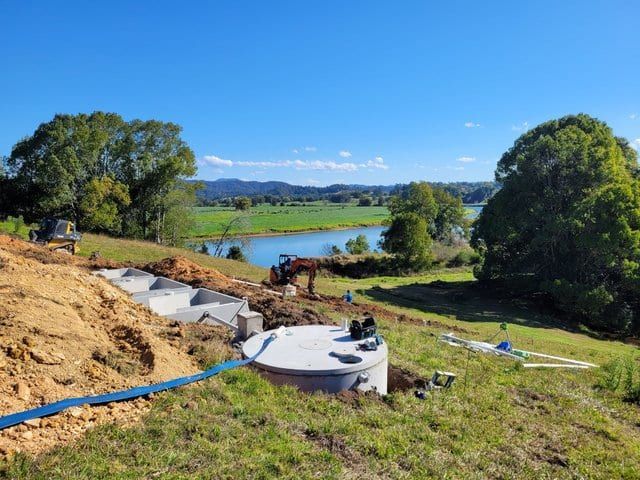
A Septic Tank Is Being Built In A Field Next To A River — Graham's Precast Concrete Products Pty Ltd in Kyogle, NSW
By Graham’s Precast Concrete Products Pty Ltd July 9, 2026
Learn essential tips for concrete septic tank protection and preventing root damage. Ensure proper septic tank maintenance today!
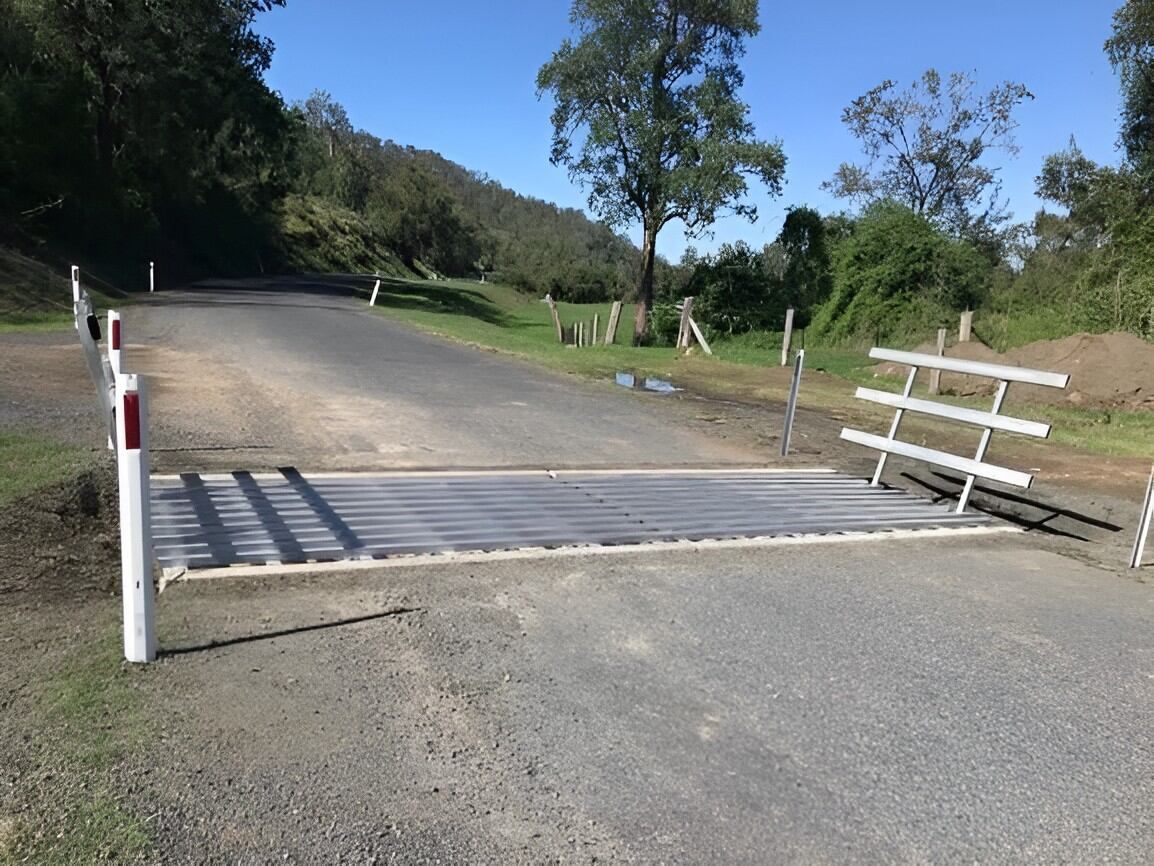
Cattle Grids NSW Rural Road Crossing With Timber Fencing
By Graham's Precast Concrete Products PTY LTD July 9, 2026
Wondering how long a concrete cattle grid lasts? Learn what affects lifespan, how it compares to steel and what to consider when buying in NSW or QLD.
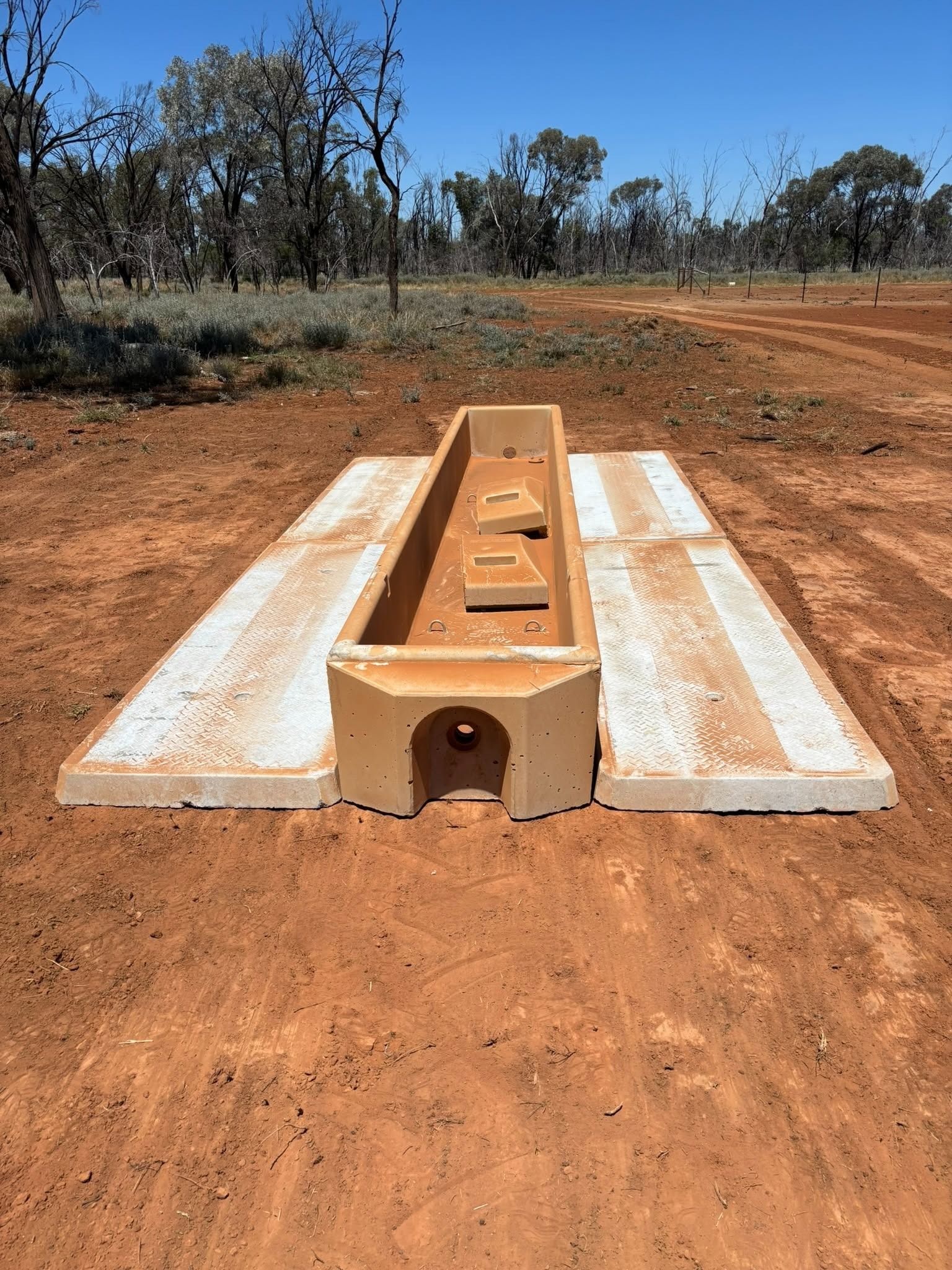
Orange Water Trough in NSW
By Graham’s Precast Concrete Products Pty Ltd June 7, 2026
Compare round and long concrete water troughs in NSW or QLD to find the right farm layout for your needs. Learn the key benefits and contact us today.
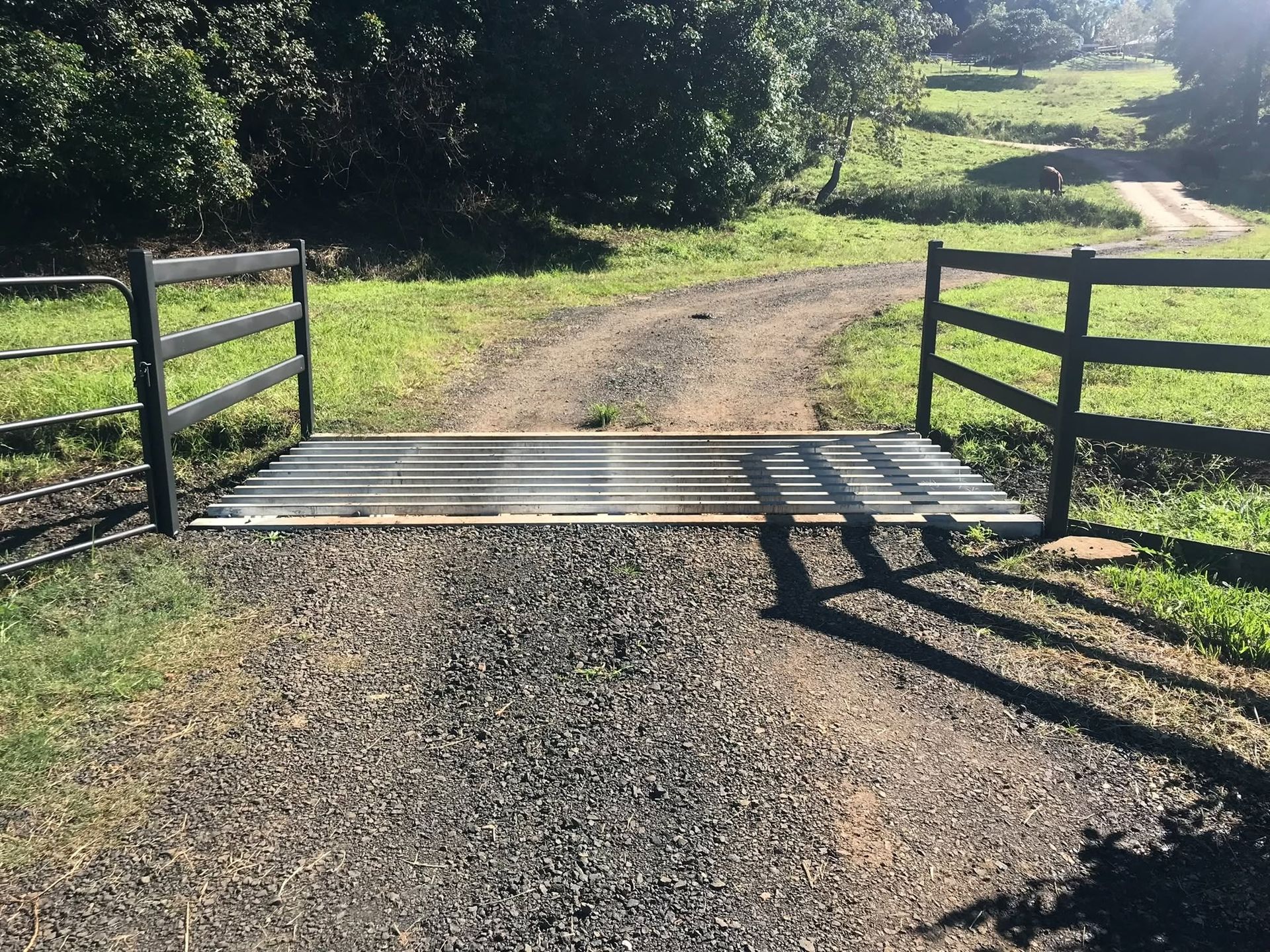
Silver Cattle Grid in NSW and QLD
By Graham’s Precast Concrete Products Pty Ltd May 31, 2026
Improve farm infrastructure with concrete cattle grids in NSW & QLD. Learn how better planning can improve property flow and access. Contact us today.
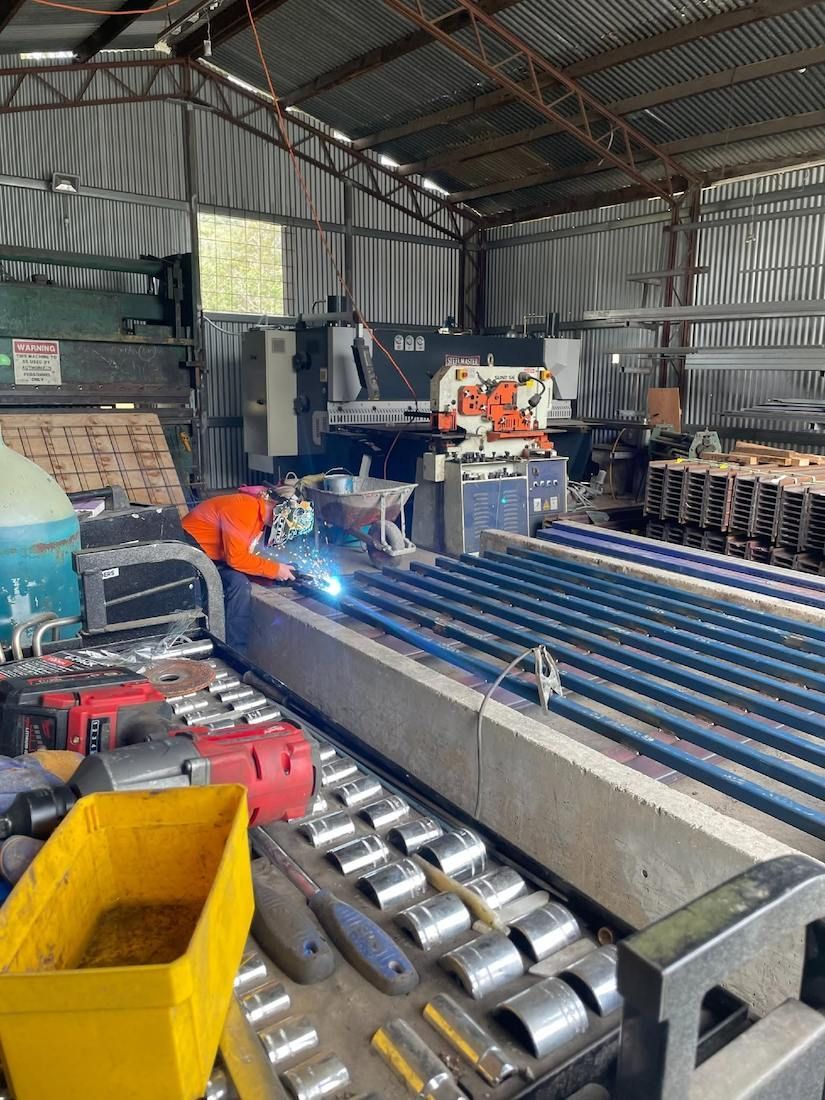
Worker Welding Metal Framework For Concrete Water Troughs In QLD
By Graham's Precast Concrete Products PTY LTD May 19, 2026
Learn how cattle grid size affects livestock control and farm access. Explore concrete water troughs in QLD and make informed choices today.
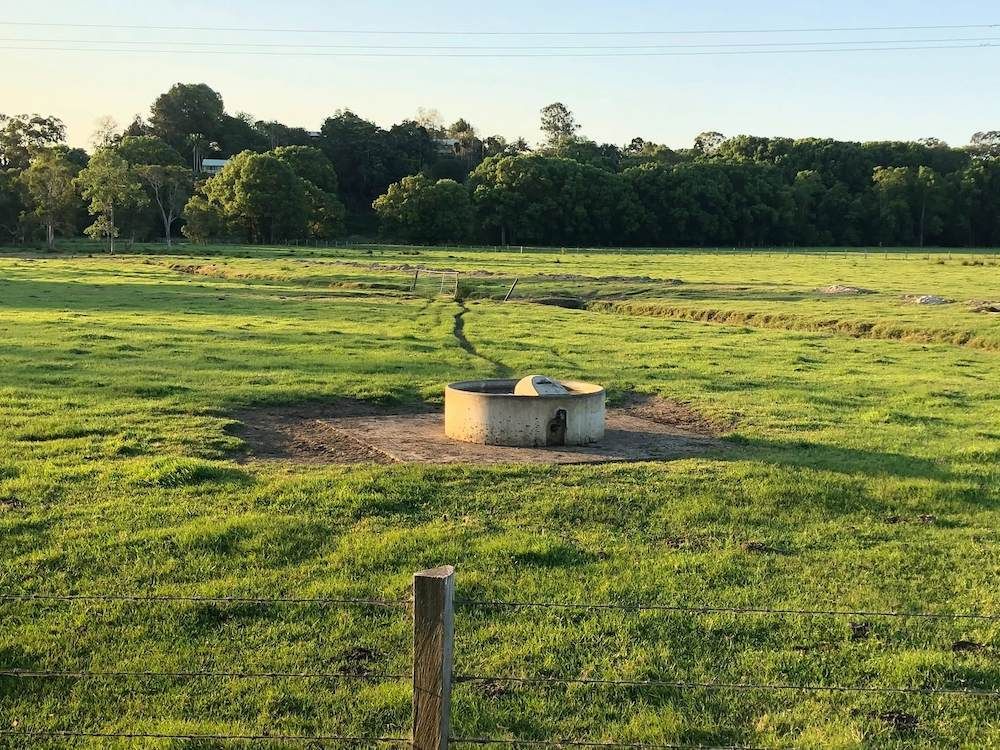
Concrete Water Troughs In NSW Installed On Rural Pasture
By Graham's Precast Concrete Products PTY LTD May 12, 2026
Explore how concrete water troughs in NSW support livestock hydration, cleaner water and herd health. Learn what makes a better trough today.
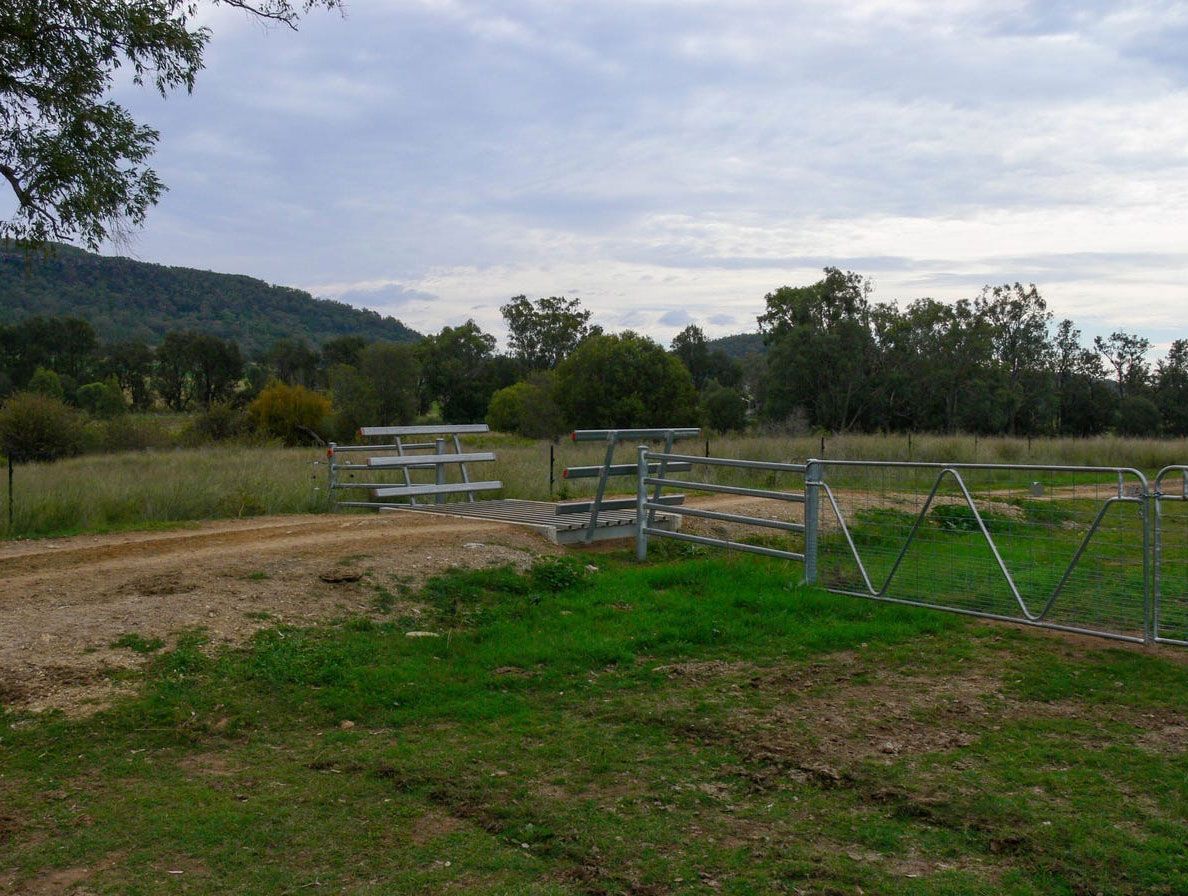
Newly Installed Cattle Grids In QLD
By Graham’s Precast Concrete Products Pty Ltd May 12, 2026
Explore the average costs of cattle grids for sale in QLD in 2026 and learn what affects pricing. Get expert advice today. Contact us to learn more.
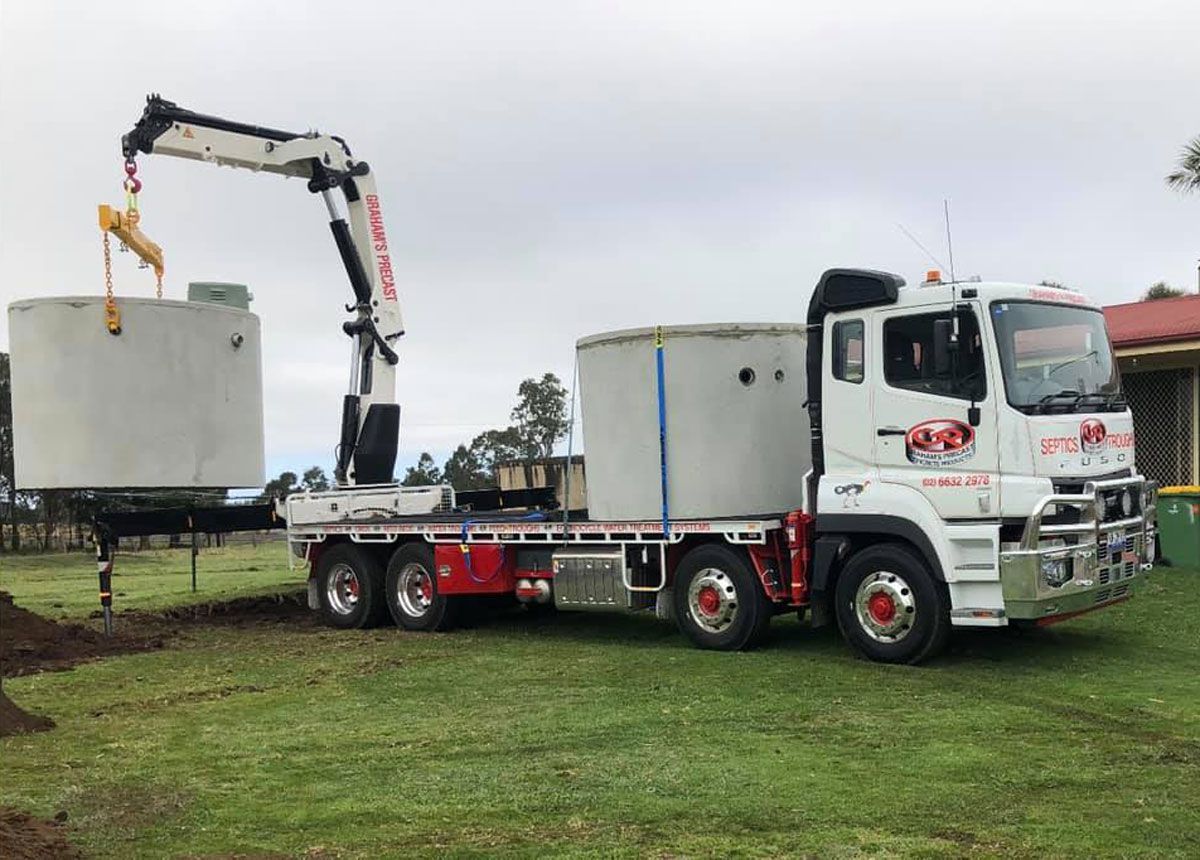
Delivering Concrete Septic Tanks
By Graham’s Precast Concrete Products Pty Ltd May 5, 2026
Learn how soil and ground conditions affect septic systems in Lismore and why proper design matters. Read our blog or call us to learn more.
Concrete Troughs In NSW Displayed At Rural Product Yard
By Graham's Precast Concrete Products PTY LTD March 23, 2026
Discover why concrete troughs in NSW support reliable livestock watering with durability, stability and lower maintenance. Read more today.

Show More